

I Could See
A Wonder Reading of Helen Keller’s Three Days to See
This Wonder Reading has a visual companion: I Could See: A Photo Journal.
I · The Gift We Hardly Notice
It was around five in the morning, and I was reading a book for the second time.
Matthew Z. Capps’ Drawn by Beauty had given me so much on the first reading that I wanted to return to it. I had been reading a little each morning.
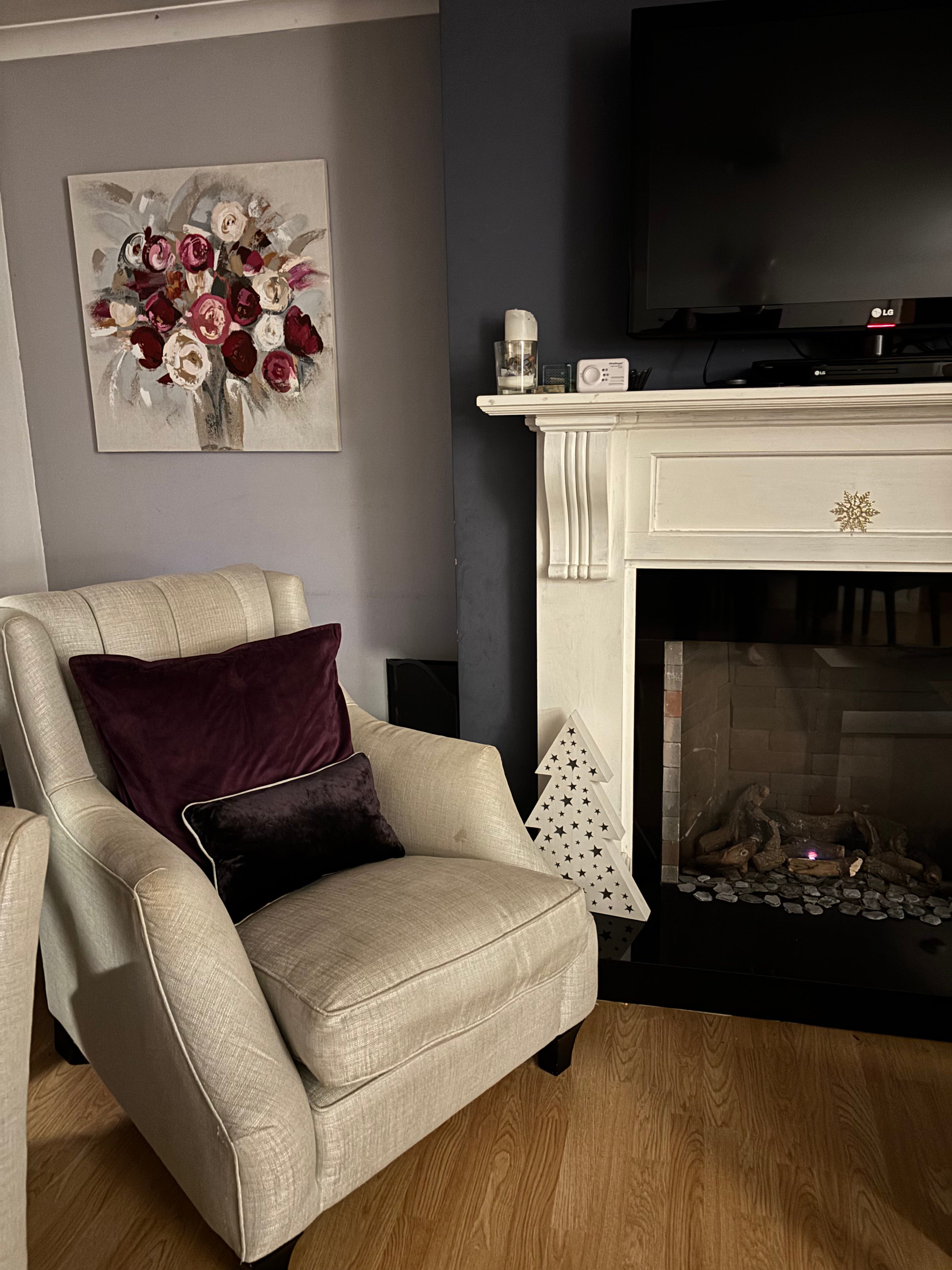
On 7 September, at the beginning of a new chapter, I came to a sentence that stopped me.
“At times my heart cries out with longing to see.”
Before I had finished the quotation, I skipped ahead to find the name beneath it.
Helen Keller.
Wasn’t Helen Keller blind?
I went back to the beginning. Capps had brought me to a woman who was longing for something I had hardly thought to be grateful for:
“If I can get so much pleasure from mere touch, how much more beauty must be revealed by sight. Yet, those who have eyes apparently see little. The panorama of color and action which fills the world is taken for granted. It is human, perhaps, to appreciate little that which we have and to long for that which we have not, but it is a great pity that in the world of light the gift of sight is used only as a mere convenience rather than as a means of adding fullness to life.”
I read it again.
“Those who have eyes apparently see little.”
“Taken for granted.”
“Appreciate little.”
“A mere convenience.”
And then:
“adding fullness to life.”
These phrases gripped me. They touched something I had been discovering for myself—something at the heart of why I had begun The Wonder Atlas. There was more to receive from ordinary life than I had realised.
I had been writing about parks, discovering more beauty and generosity in them than I had first recognised. Walks through Scotland were teaching me to notice more: mountains, coastal paths, lamps, architecture, children playing. I was discovering how beautiful and interesting my small part of the world really is.
But here was something so close that I had almost failed to notice it.
I could see.
Before I could enjoy the beauty of these things, there was the gift of being able to see them. Before the view from the hill, the face of someone I loved, the colours of a sunset, there was sight itself.
I could not carry on with the chapter. I wanted to know where these words came from, who had written them, and what else she had to say.
What can we learn from a person who is blind about seeing?
First, I wanted to know more about the woman whose words had startled me.
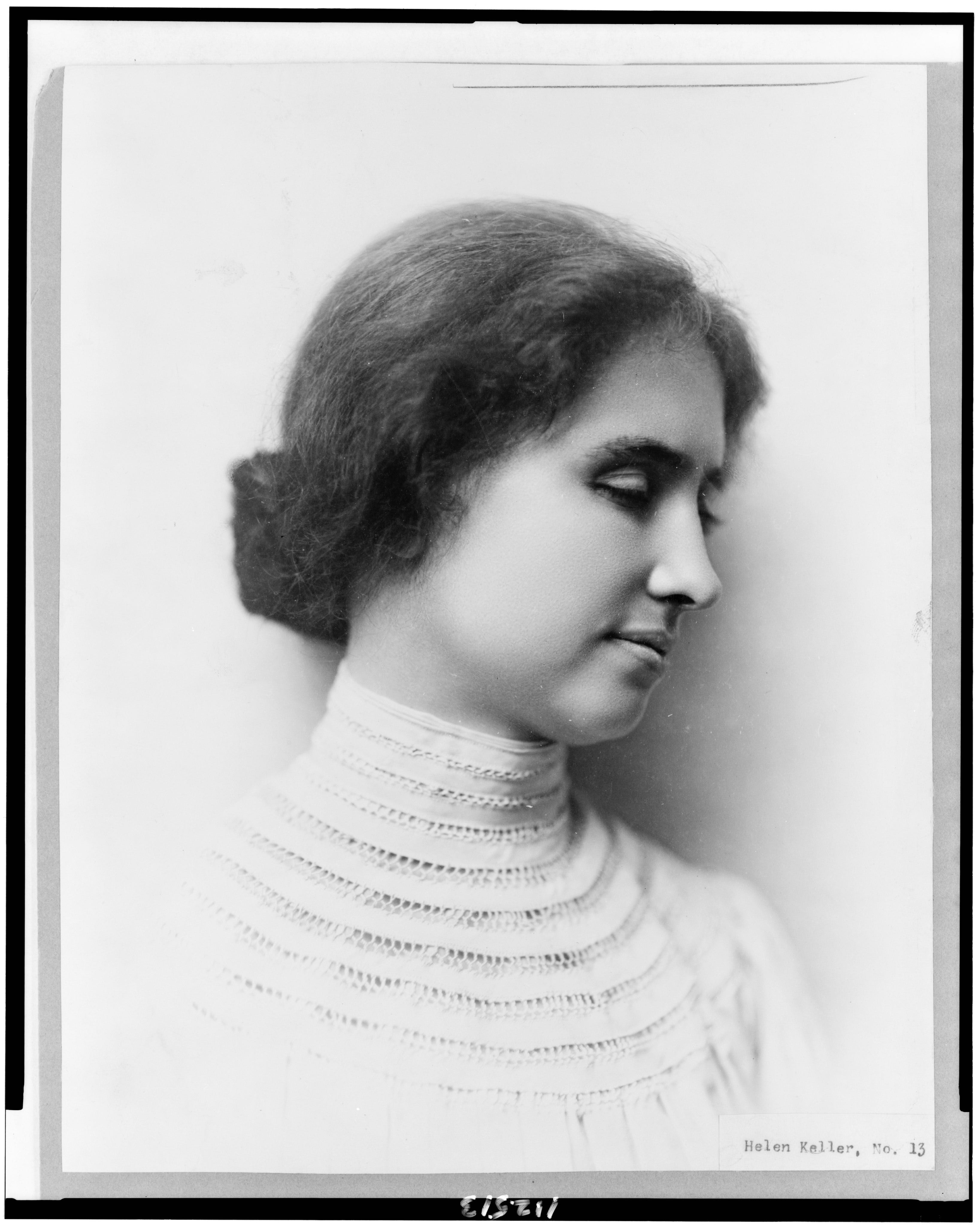
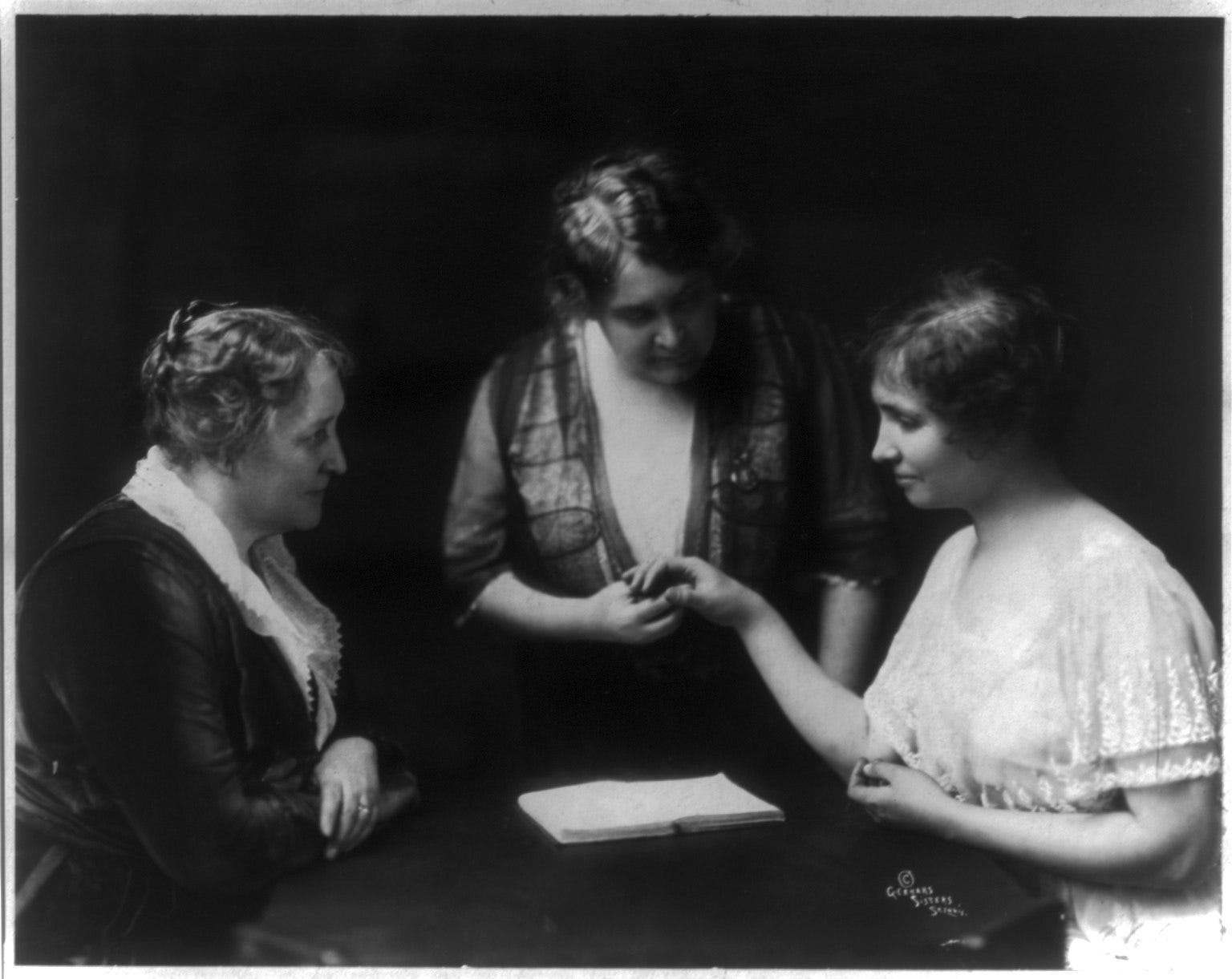
Helen Keller was born in Alabama in 1880. At nineteen months, an illness left her deaf and blind.
Her family’s search for a teacher led them to Perkins School for the Blind in Massachusetts. Its director recommended Anne Sullivan, a twenty-year-old graduate who had herself experienced severe sight loss. At Perkins, Anne had befriended Laura Bridgman, a deafblind woman who taught her the manual alphabet: letters formed with the fingers and understood through touch.
In March 1887, Anne came to live with the Keller family and teach Helen, who was nearly seven. Their lessons would become part of everyday life.
It was the beginning of a relationship that would last forty-nine years.
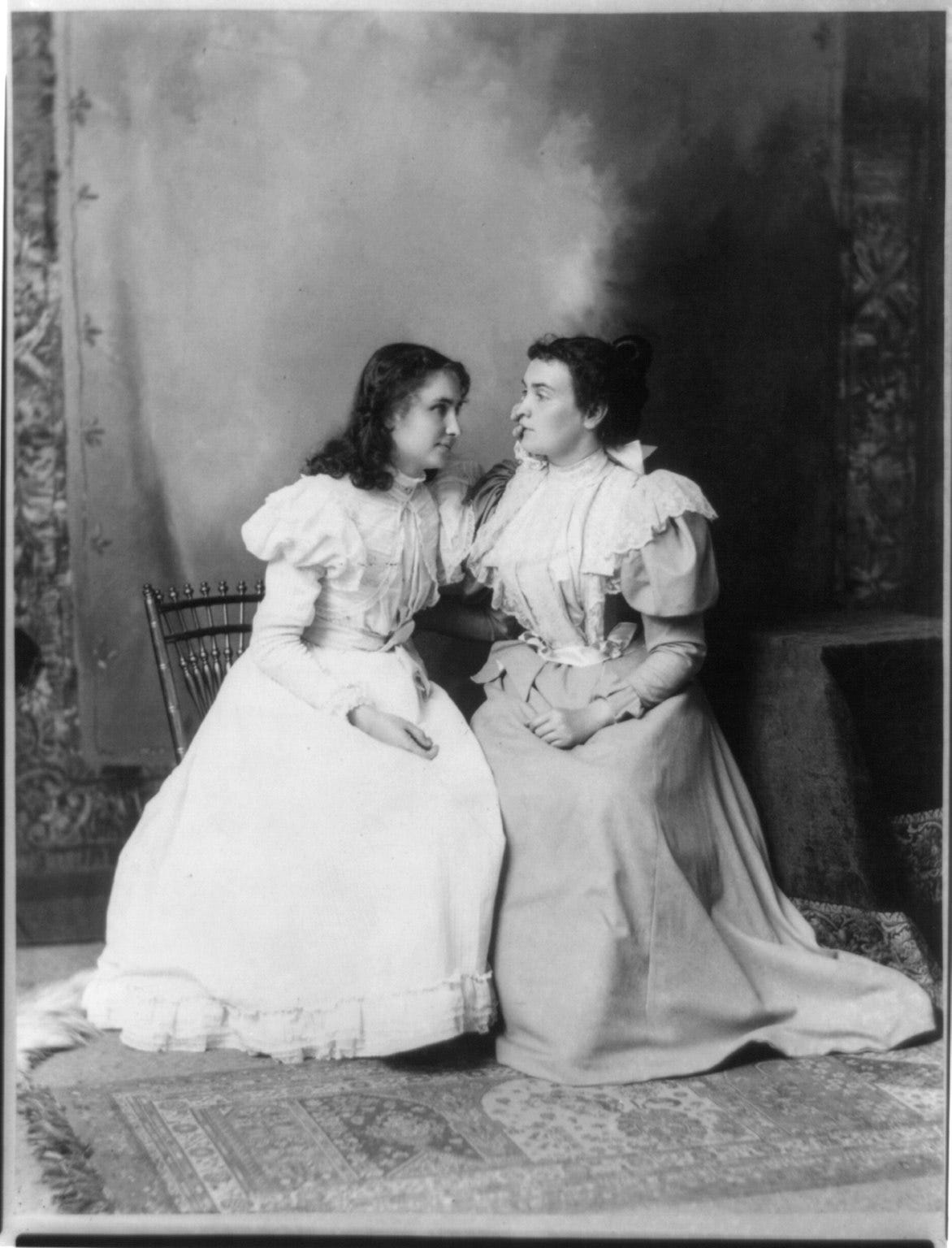
But first, how could she help Helen understand that the movements of a hand could carry words?
Anne began by spelling words into Helen’s hand. At first, Helen could copy the movements without understanding their meaning. Then, at a water pump, Anne placed one of Helen’s hands beneath the flowing water and spelled into the other: w-a-t-e-r.
Suddenly, Helen understood. The movements in one hand named the water flowing over the other. This thing had a name.
A hand could receive water. A hand could receive a word. Through that meeting, language began to open.
In 1904, Keller graduated from Radcliffe College with a Bachelor of Arts degree, cum laude—the first deafblind person to earn a university degree. Anne had accompanied her to lectures, spelling the teaching into her hand and helping her read books that were unavailable in braille.
Their life together continued beyond the classroom. Anne remained her teacher, close friend and companion, travelling with her as Helen’s work as a writer and campaigner reached wider audiences.
Braille gave Helen a way to read through her own fingertips. She also learned to speak, though making herself understood remained difficult. There was effort, ingenuity and companionship behind the words I was now reading so easily on a page.
Those words led me to Three Days to See, published in 1933. I began to read the whole essay slowly.
I was struck by the beauty of her writing: the detail, the colour, the delight in the world she described. I had come wondering what she might teach me about seeing. Now I was discovering the pleasure of reading her words.
The woman I met there had a considerable appetite for life. She knew the pleasure of books, dogs, sculpture and the woods. She wanted to go to the theatre. She was curious about clothes. And she wanted, deeply, to see.
That longing to see does not become smaller because her life was rich in other ways. She wanted the faces of people she loved, the decoration on a vase, the colour and distance her hands could not give her. I could hear both things in her writing: how much the world already offered her, and how much remained beyond her reach.
Her imagined experiment is simple. Suppose she were given sight for three days. What would she choose to see?
And what would we choose, if we knew those were the only three days available to us?
She begins nearer to home than I expected.
The faces of people she loves. A baby. Her dogs. Books that have accompanied her. The colours of things in her own house: rugs, pictures, the familiar objects whose shapes her hands already know.
Her list made me realise how easily I take my everyday surroundings for granted. Things I might pass without another thought were things she would choose to see if she had only three days.
Before taking us into those imagined days, Keller tells us about a friend returning from a long walk in the woods. She asks what the friend has observed.
“Nothing in particular.”
I recognise the possibility. I can be walking through a beautiful place while my thoughts are somewhere else entirely. A conversation is being rehearsed. A problem is being solved again. My feet continue along the path, and the landscape supplies a background to whatever is occupying me.
Keller brings the background forward.
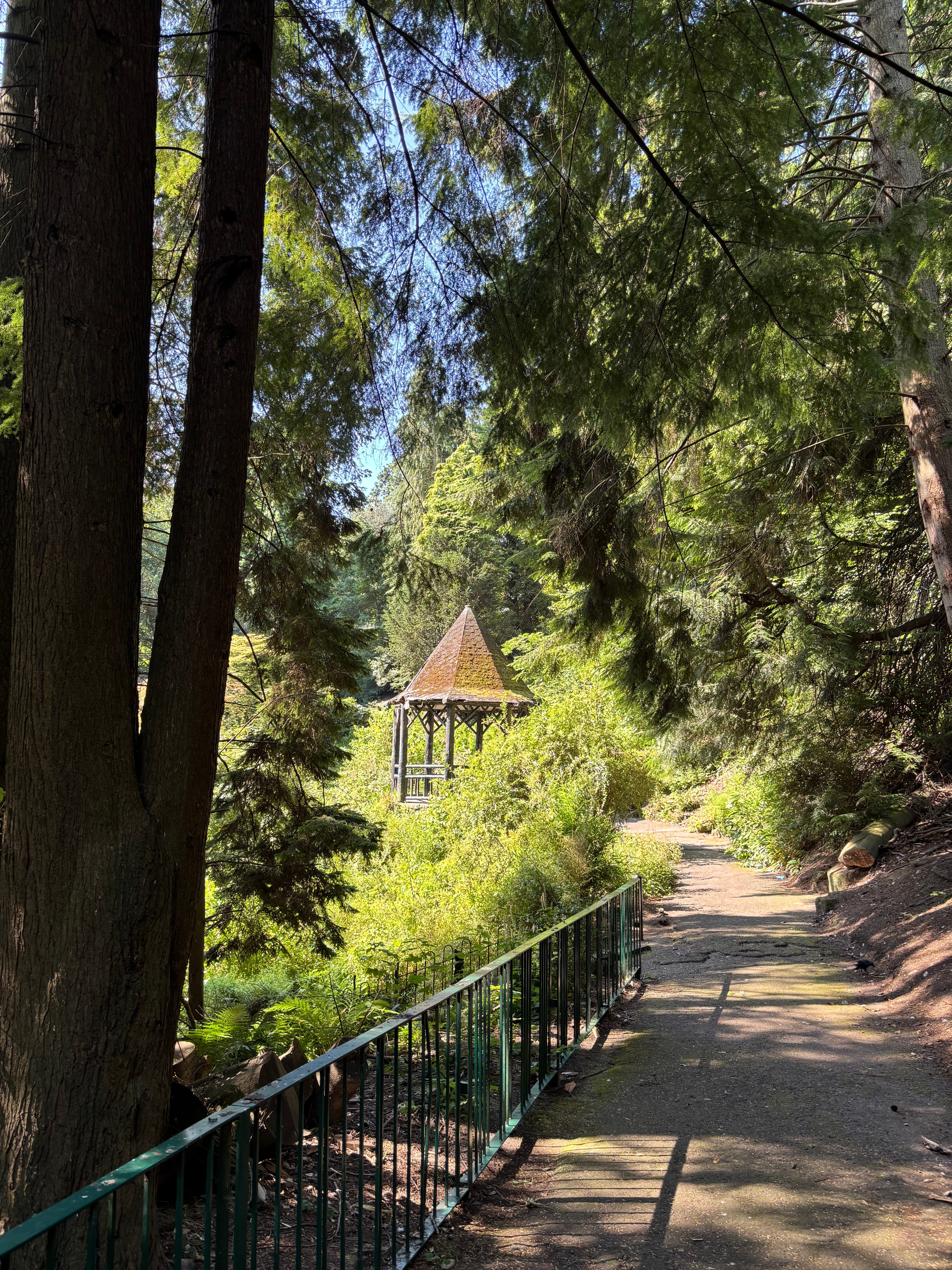
What was in those woods?
I was amazed by how much she discovered in the woods through touch. Her curiosity led her to notice and enjoy things I could so easily walk past.
I know how a mind can become too crowded to receive much more. A walk may be where a difficult thought finally finds room, or where a conversation with a friend matters more than the view. There will always be things we miss. But on another day, or a little further along the path, something may catch our attention. We can stop for a moment. Notice. Take it in. And discover more than we first realised was there.
Two words kept returning in my first reading: concentration and appreciation. I understood them from the hills. Sometimes I have to stay with a view for a while before I begin to appreciate it. The first glance gives me an impression. A longer look reveals more of the detail, the depth, the beauty that was there all along.
Clouds move across a hillside. Sunlight reaches a patch of ground that was in shadow a moment before. As I keep looking, more comes into focus: the folds of the hillside, a bird of prey overhead. On other walks, I have watched a herd of stags running across a mountainside and a seal’s head appearing above the water. On the Isle of May, I was fascinated by the puffins’ erratic flight. Sometimes something changes. Sometimes I begin to notice what was there all along.
Near home, I walk my dog, Mambo, on Saline Hill. The hill is familiar, but each season brings something to enjoy: frost and snow, lambs in the fields, fruit on the trees and ripening berries. There are sheepdogs gathering flocks, tractors at work and fields dotted with hay bales. Sometimes I stop and sit. However familiar the place becomes, it can still surprise and delight me.
Familiarity is useful. It allows us to live without meeting every chair, doorway and tree as a startling new event. But it can also let something precious slip out of conscious appreciation. The value remains, even when our response has become faint.
Keller imagines the skyline of New York rising before her, extraordinary in its height and human making. Millions live with this sight. She wonders how many still give it a second glance.
I wonder what I would notice in the places I know best if I were seeing them for the first time.
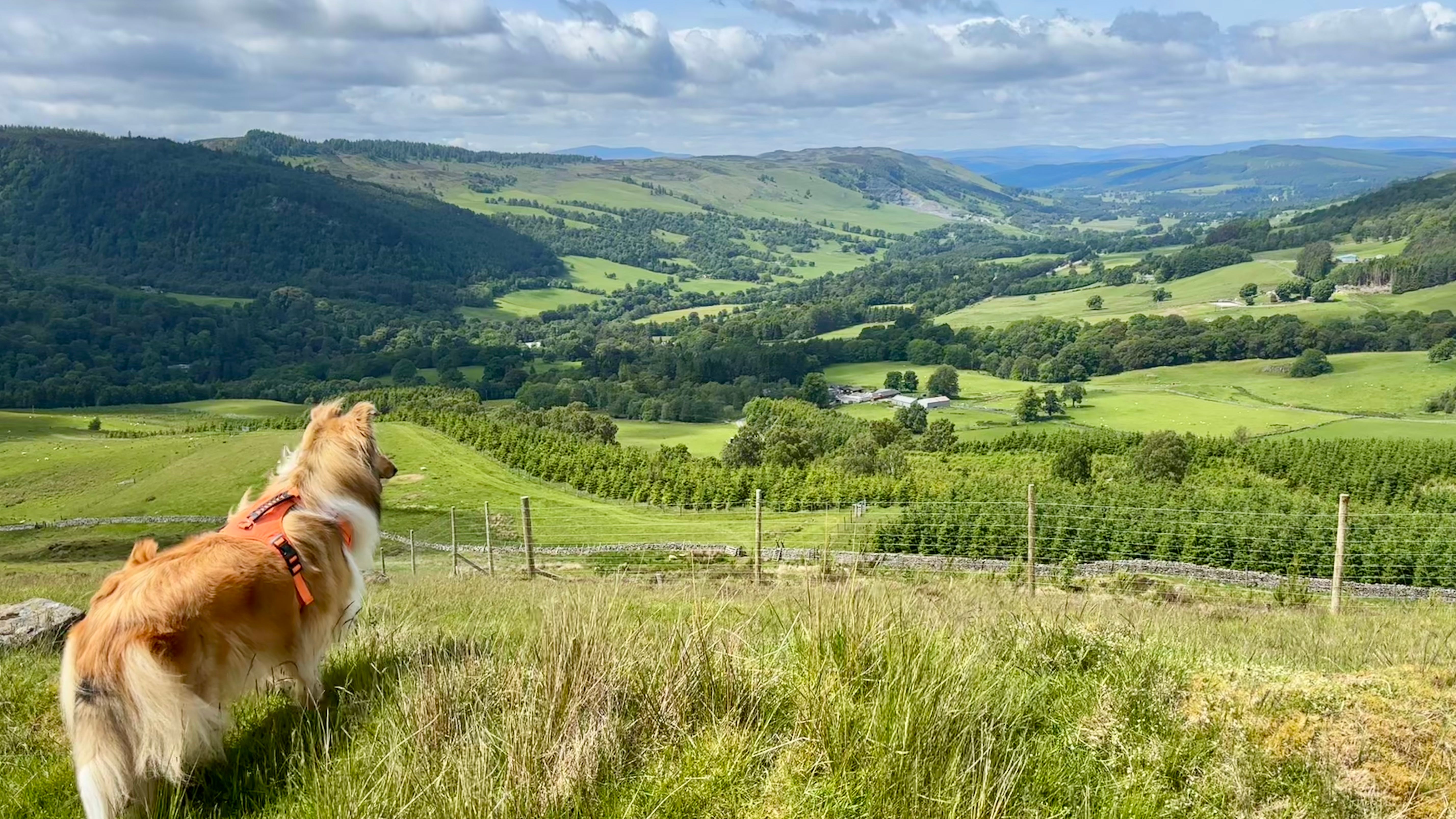
On the afternoon of her first day, Keller would go into the woods and “intoxicate my eyes on the beauties of the world of Nature”.
I stopped over that phrase. It has the appetite of someone who wants to be overcome by what is there. I have known something of that pleasure on Scottish mountains and coastal paths. Sometimes I stop, make a coffee and sit enjoying it with the view. I stay because I do not yet want to turn away, and look again because the first look has not been enough.
On the way home, she hopes for horses ploughing in a field, then adds: “perhaps I should see only a tractor!” I like that something so ordinary has a place in her imagined days of sight. It reminds me of one of my first essays, which began with being slowed down by a tractor.
She would pray for a colourful sunset.

And when the second morning came:
“I should behold with awe the magnificent panorama of light with which the sun awakens the sleeping earth.”
“Behold with awe.” I love that phrase. It suggests more than a glance: taking time to look, and allowing what we see to move us. Awe can draw us out of ourselves, quietening our preoccupations and reminding us how much larger the world is than whatever happens to be filling our minds.
And then, “the sleeping earth.” I love sunsets, wherever I find myself, but here she draws me towards the other end of the day. While we are waking, the light is returning to fields, roofs and windows. Before anything has been achieved, there is something to receive.
Her second day takes us into museums, to explore the history of the earth and the people and creatures who have lived here. Then come sculpture and painting: ways people have shared what they have seen, felt and imagined.
Keller had already visited museums, exploring works of art through touch. She names a plaster cast of Michelangelo’s Moses, Rodin’s sculpture and Gothic wood carving. I was amazed by how much she had found to enjoy. Her hands had lingered over things I might have walked past.
“I can admire the simple lines of a Greek vase, but its figured decorations are lost to me.”
The sentence holds pleasure and deprivation together with such simplicity. She has the shape; she wants the painting. I find myself imagining that vase, and the two different encounters it could offer. The curve under the hand. The story on its surface.
Reading her, I realised how much art was available to me, yet how rarely I took time to explore it. I have enjoyed Kelvingrove and the Riverside Museum in Glasgow, and museums in Edinburgh. Yet there are rooms I have hurried through and pictures I have barely allowed time to become interesting.
Keller makes me want to go back with time to spare.
She has spoken with artists about learning to appreciate composition, line, form and colour. Her willingness to learn is infectious. A painting might give me more wonder and delight than a quick walk past allows. I could begin by staying with it, noticing what draws my eye and allowing someone who knows more to show me what I have missed.
Some kinds of attention can grow with practice. Medical students taught to look closely at works of art have sometimes become better at noticing detail in clinical images. It does not make them attentive to everything, but it suggests that careful looking can be learned. Something I have not yet learned to appreciate may, with time, become something I genuinely enjoy.
Keller even proposes a university course called “How to Use Your Eyes”. That is the kind of course I would enthusiastically sign up for. Perhaps it should begin in school, teaching young eyes the art of attentive living and helping them discover joy in what usually passes unnoticed.
And she does not insist that we travel to a great museum to begin. Smaller museums, galleries and books in ordinary libraries also hold ways into beauty. Curiosity can start close to home. I found myself thinking of the Andrew Carnegie Birthplace Museum in Dunfermline, which has been there all my life and which I have visited only once as a boy, and of museums and galleries in Perth that I have walked past without properly exploring. It made me want to go back with time to spare and see what I have been passing by.
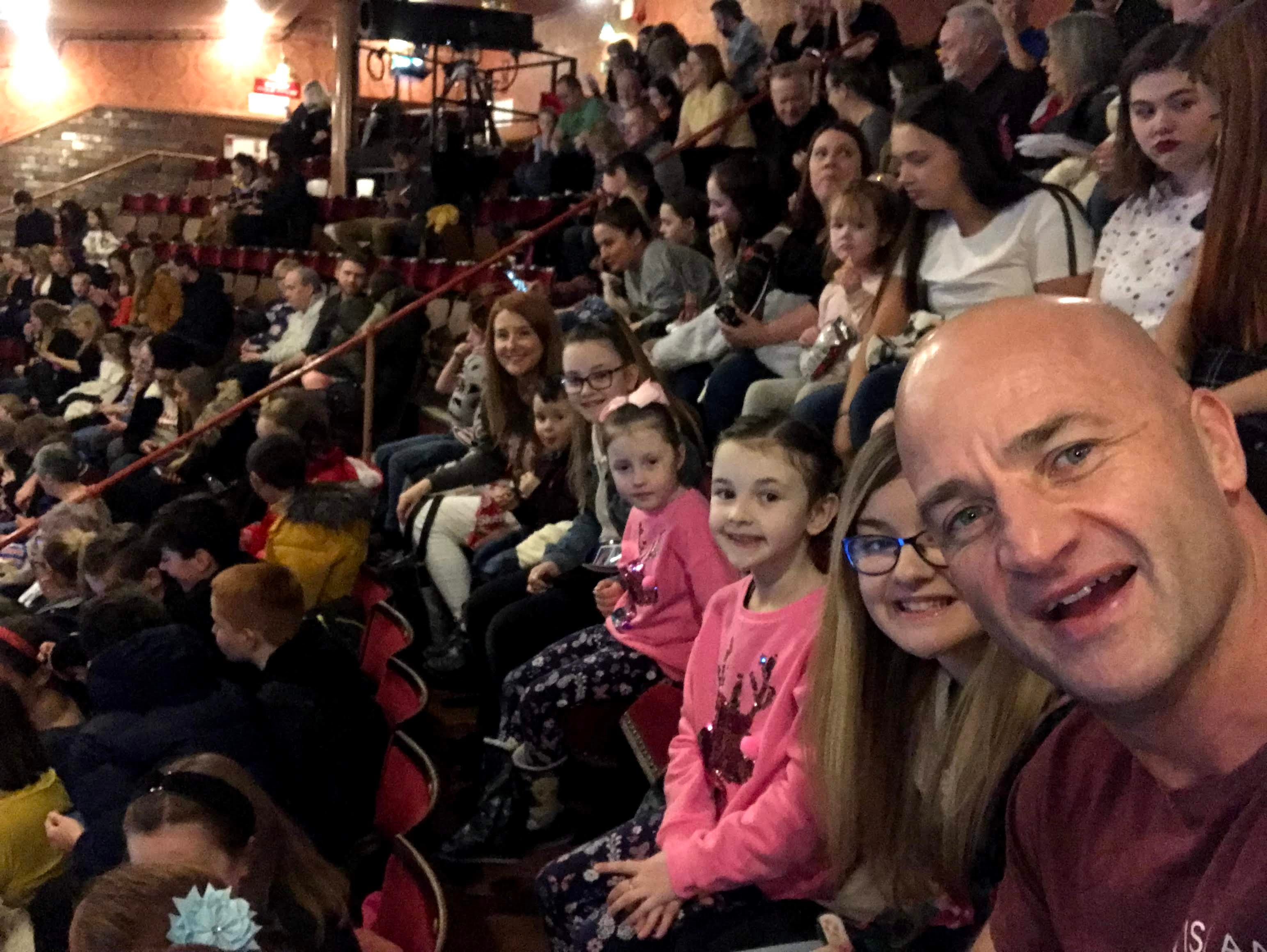
By evening, she wants the theatre. She thinks of cinema, movement, colour, all that sight would add to stories she has already encountered through language. I thought of Perth Theatre and Perth Concert Hall, which I pass on my way to work. Keller made me want to stop simply passing them and make more room for the enjoyment they can offer. Later, in the city, she imagines the colours of clothes moving through a crowd. She suspects that window-shopping would become a habit.
This is a person eager to enjoy herself. I find that refreshing and inspiring.
I love the cinema. I love taking my family to a pantomime, sharing its colour and silliness, laughing at something together. Reading Keller, I smiled at the thought of all those faces turned towards a stage. I love sharing that pleasure with people I love. Laughter can be good medicine, and when we share it, it can draw us closer to one another.
I can enjoy a sunset simply because it is beautiful. I do not have to learn something from it or measure what it has done for me. There is value in stopping, watching the colours change and enjoying the moment while it is here.
As a Christian, I love the Bible’s description of God richly providing things for our enjoyment. As a father myself, I can imagine Him smiling as we enjoy His gifts. It feels natural to appreciate the beauty, recognise the gift and return my thanks to the Giver. Reading Keller had made me more grateful than ever for sight itself: for the beauty before me, and the ability to see it.
Sometimes the gift asks nothing of me except that I notice and enjoy it. In a world that asks so much of us, there is something deeply refreshing about that.
Keller’s closing invitation extends beyond sight. She asks her readers to make fuller use of the senses through which the world is available to them. Sound, touch, scent and taste have their own pleasures to offer.
I remember as a child enjoying crushing mint or lavender leaves in my hand and smelling the fragrance they released. Looking at the plant could never give me that particular pleasure.
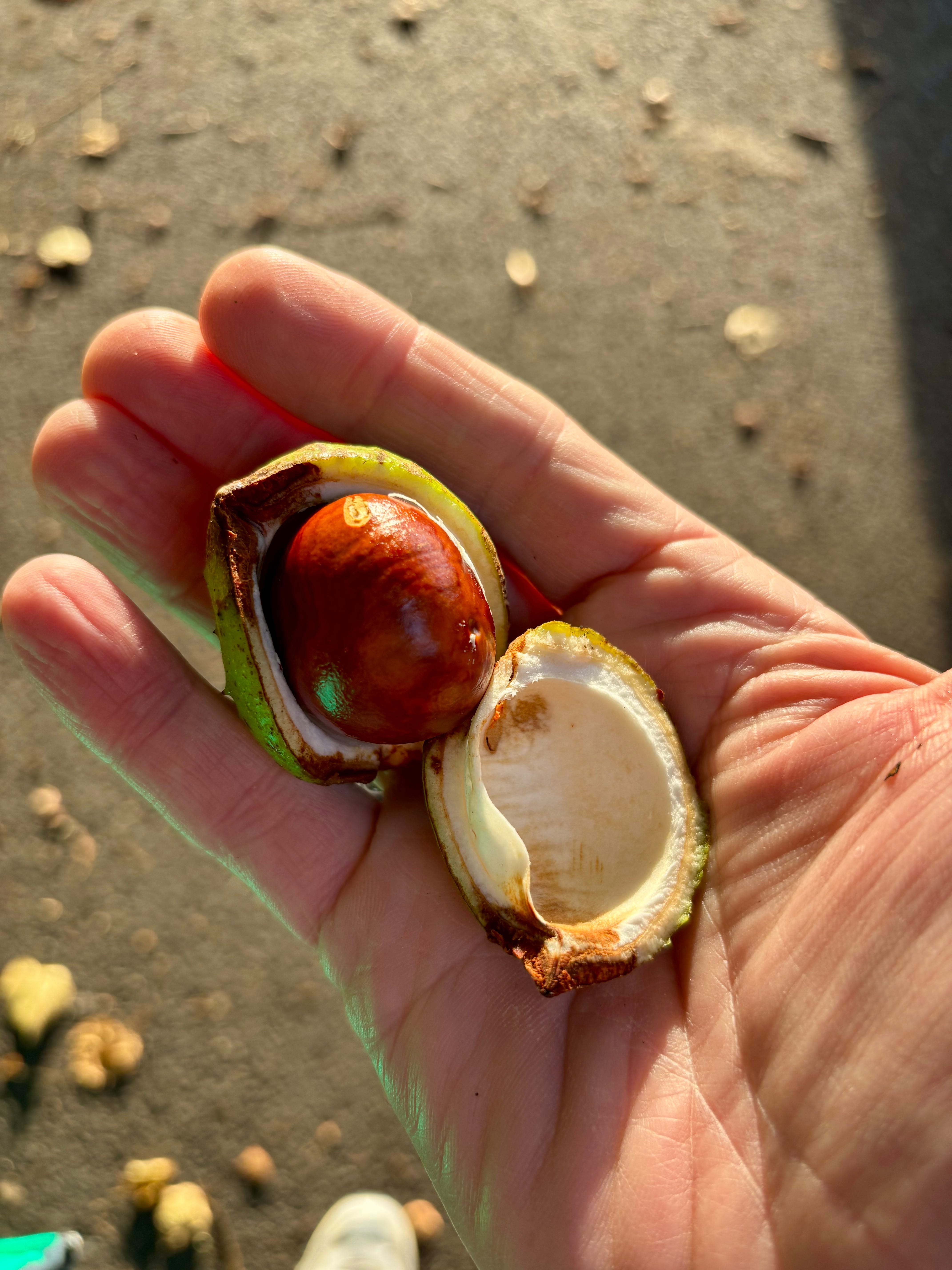
In the days after reading Keller, I found myself paying more attention to leaves, flowers, berries and fruit through touch. Her writing was giving fresh emphasis to something I already knew: the world can reach us in more than one way.
In another essay, Magic in Your Fingers!, she challenges the sighted person whose hands remain in their pockets. The eyes can be so efficient that we assume they have told us enough. Meanwhile, texture, temperature and weight are still waiting to be encountered. This surprised me. I had thought little about deliberately using my other senses to experience a place more fully.
I began with gratitude for eyesight. Keller was enlarging the question. What might become available if more of me were present?
Through a prolonged and stressful season, hiking has taken me in search of beautiful places around Scotland. I have found them in forests, along coastlines, among mountains and on the hill close to home. In these places, my heart and mind have often begun to settle. I have found the stillness to think more clearly and talk with God more naturally.
A difficulty can occupy so much of my attention that almost everything begins to take its colour. But in these places, the vivid colours of nature have caught my attention again. Surrounded by such beauty, I have felt myself grow smaller within a much larger world. My problems were still real, but they occupied less of my thoughts. There was still so much to receive and enjoy.
Those walks belong within a wider life of sleep, nourishment, exercise, prayer, relationships, work and rest. I cannot give these places sole credit for what has sustained me. But I have often come home with a clearer perspective and a quieter heart.
Keller was helping me understand more clearly something I had experienced on those walks: beauty does not erase suffering, but it can prevent suffering from becoming the whole field of vision.
Keller had made me grateful for sight. She had also made me hungry for what I might enjoy through it. There were pictures I wanted to spend time with, museums to revisit, mornings I wanted to meet more fully. The reading was beginning to follow me outside.
Among everything Keller wanted to see, it was her longing to see faces that surprised me most.
II · Learning to Really See
Of all the faces Keller longs to see, Anne Sullivan’s comes first. Nearly half a century after Anne arrived at the Keller home, they are still companions. Helen knows her through years of teaching, conversation and friendship. Now she imagines looking into her face.
She speaks of “imprinting upon my mind the outward evidence of the beauty that is within them.”
She already knows their kindness, patience and love. She wants to see how something of that inward beauty appears in their faces. I find that moving: to know someone so well, to have received so much from them, and still long for this ordinary pleasure of looking at them.
She imagines watching a fleeting expression or a movement of the hand. What might these add to her understanding of someone she loves? Her curiosity made me wonder how much I notice in the faces I see every day.
Her question made me think about my own children. I know the joy of looking at a baby’s face and waiting for a smile. I know how much an expression can mean when it belongs to someone I love. Keller made me newly grateful for those ordinary moments.
She also made me think about how quickly I can come to conclusions about someone from the expression on their face.
We may notice that someone seems withdrawn, avoids eye contact or takes a little longer to reply. We begin to tell ourselves a story about what this means, sometimes before we have asked. A tired face can look unfriendly. A smile may mask discomfort. A person can appear calm while carrying something we know nothing about.
An expression can give us a clue, but it cannot tell us the whole story.
In pharmacy consultations, I have learned that a patient’s apparent agreement does not always mean they feel comfortable with what we have discussed. Some readily say what they think; others find it difficult to disagree with a healthcare professional. If I notice a hesitation or a change in expression, I can pause and ask a little more.
The useful next step is often a question. What are your thoughts? Do you have any concerns? What matters to you?
Then I need to listen. I may have noticed something, but the patient can help me understand what it means.
Trying to imagine someone else’s experience can help me care about them. But I can still get it wrong. Asking gives them a chance to surprise me, correct me or tell me something I would never have guessed.
Keller’s wish to see a face becomes, for me, an invitation to notice what someone’s expression may be telling me, and remain curious about the person behind it.
That includes the people I know best. I love Lynsey, our children and my parents. Yet a busy day can pass with my attention repeatedly drawn elsewhere, even when the people I love are right beside me.
There is still more to learn about the people we know. Our children are growing and changing, and we will not meet them at this age again. A spouse has had a day we have not shared. A parent may have something on their mind that years of knowing them will not tell us.
We can ask.
We can also enjoy their company. A joke, a story, a small achievement, a child wanting us to watch: these are invitations too. We need people who will share our delight as well as listen to our difficulties.
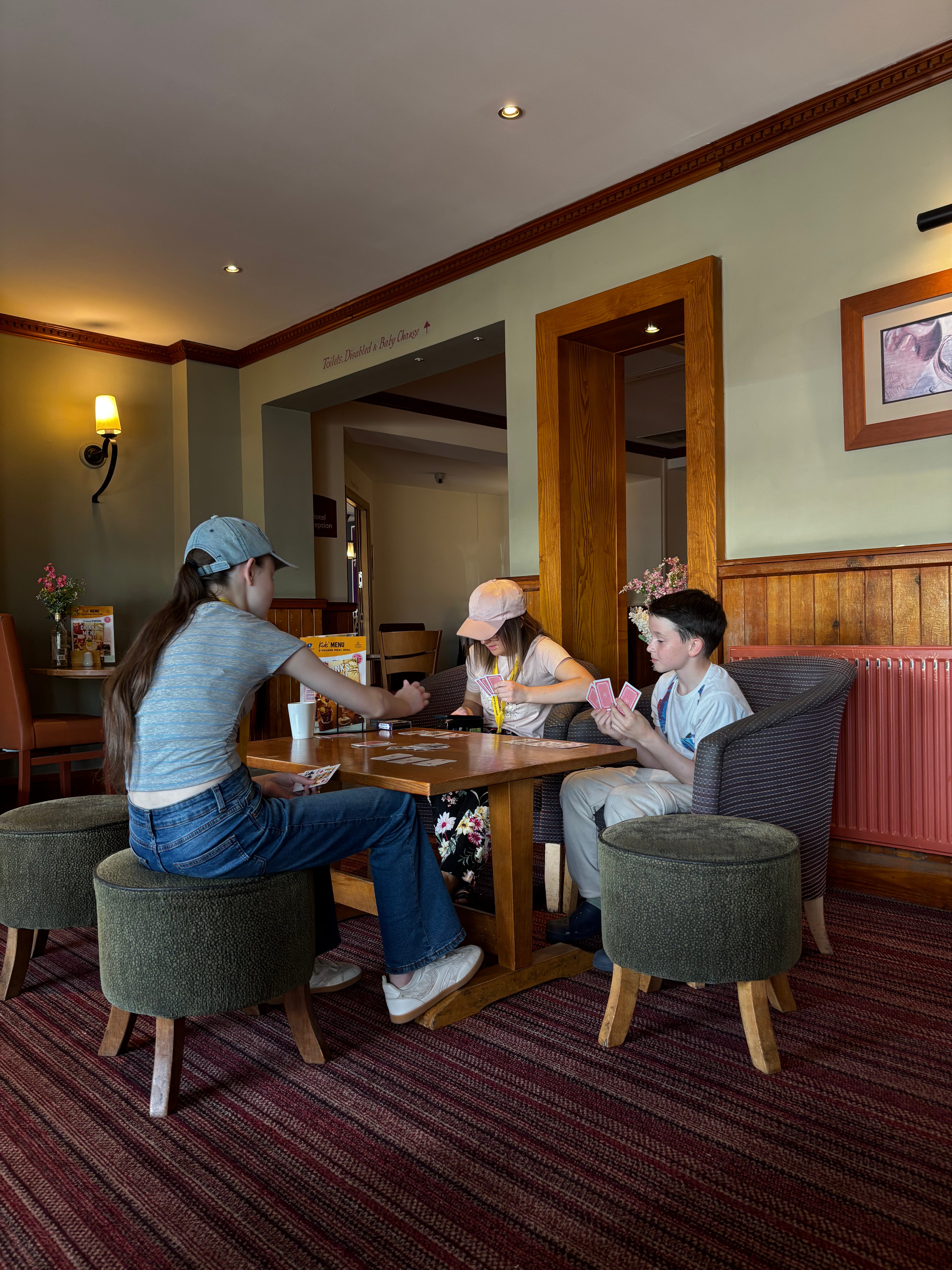
During a difficult and complicated season, my dad took me out for dinner at a steakhouse in Perth. He spent time asking questions and listening. He wanted to understand what I was carrying.
The situation was not solved over dinner. But I came away feeling heard and understood. Dad’s questions had helped me think more clearly about what was happening. He knew me well enough to remind me of things about myself that I had been finding difficult to see.
I had been able to talk about it with someone who loved me.
Lynsey has done this for me countless times too. She has listened and encouraged me, reminding me of who I am and helping me recognise my strengths when I have struggled to see them myself.
When Keller reaches the third day of her imagined sight, she goes into the streets. She wants to understand how people work and live. She looks for smiles and determination, but she also wants to understand the suffering around her. Her day takes her through comfortable neighbourhoods and places of poverty. Both belong to the city she wants to know.
She knows that some of what she sees will be painful:
“To close the eye on them is to close the heart and mind.”
I can notice someone’s pain and still give it very little thought. Keller wants to understand the lives behind what she sees, including the things she wishes were different.
Reading her, I thought of a story Jesus told. A wounded man lies beside a road. The priest sees him. The Levite sees him. The Samaritan sees him too.
Seeing alone does not distinguish them.
The Samaritan allows the man’s suffering to matter enough to interrupt his journey. He comes close, tends the wounds, provides transport and arranges continuing care. Compassion becomes practical without losing its tenderness.
Keller’s city streets had brought this familiar biblical story back to me. What happens after I have noticed someone? Do I allow what I have seen to matter? Am I willing to be interrupted?
The Samaritan tends the man’s immediate needs, then asks an innkeeper to continue his care. His help includes knowing when to involve someone else.
That matters when suffering begins to feel overwhelming. Caring does not require us to feel every pain as intensely as possible. Sometimes someone needs us steady enough to listen and think about what might help. Sometimes they need us to stay with them, even when we cannot fix the problem.
In The World I Live In, Keller describes how much she receives through touch, language, memory and imagination. Learning language gave her more than names for things. It meant she could ask questions, read books and share another person’s thoughts.
So much of what she knew and enjoyed had come through a relationship with someone else.
Later in the reading journey, I discovered her accounts of visiting Scotland. I wanted to hear how she had experienced places I know and love.
In Helen Keller in Scotland, she describes crossing the Forth Bridge through its movement and vibration, helped by descriptions from those travelling with her. She still wants a model so she can understand its structure more fully. When her train stops at Dunfermline, she thinks of Andrew Carnegie and Pittencrieff Park. I grew up enjoying that park. Only days before encountering Keller’s words, I had been writing about Carnegie’s desire to bring “sweetness and light” into the lives of children growing up in Dunfermline. I had been one of those children. I loved discovering that Keller had appreciated the park too.
Then, in her later journal, I found a train journey towards Dundee. As they travelled beside the Tay, her companion Polly Thomson was describing the sunset by spelling into her hand. The colours were changing so quickly that Polly’s fingers hurried to keep up.
“Pink! . . . Blue! . . . Mauve! . . . Green! . . . Gold! . . . Rose! . . . Lavender! . . .
Oh, Helen! the water is one sheet of burnished gold!”
I enjoyed that moment. Polly saw something she wanted Helen to receive. Through touch and language, the sunset became something they could share.
Sometimes another person helps us see through their eyes.
A friend names a bird we have never noticed before. A child calls us over to something close to the ground. Someone describes a place we cannot visit. Through their interest and the things they share, we discover more than we would have found alone.
That journal belongs to the months following Anne Sullivan’s death. In Dundee, Keller records a day when she feels dispirited about her writing. Later she walks among garden plants and spends time with dogs. The following morning she enjoys melon and toast with Dundee marmalade, the kind she already orders at home in New York.
I enjoyed discovering this little moment: Helen Keller at breakfast, taking pleasure in a familiar marmalade. It is such an ordinary, personal detail. She is grieving, and there is still something at breakfast to enjoy. The grief and the pleasure are both real.
In her Scotland writing, Keller gives me a phrase I want to explore:
“Love lifts the rim of vision.”
I did not understand the image at first. A rim is an edge or boundary. I began to think of it as the limit of what I could see and understand. Love could help me see beyond that limit.
I think of the things I can miss when I am impatient with someone. If I see them only as an inconvenience, I am unlikely to learn much about them. Listening may reveal a worry I knew nothing about, a kindness, a sense of humour or a hope they have not yet shared.
I have discovered this on many occasions, and wrote about one of them in They Looked Different.
When I care about someone, I want to understand them better. I become more willing to ask questions and listen to their answers, even when those answers challenge my assumptions. There may be much more to them than the impression I have formed.
I had been thinking about how attention helps us love. Keller made me wonder about the other direction too. Could loving someone help us see more?
Her words brought back an afternoon I had carried with me for decades.
I was around thirteen, playing in a football cup final at Hill of Beath Park. I was cautious. I did not want to make a mistake, and the fear of getting something wrong was shaping how I played.
Dad called from the sideline. He reminded me of what he could see: I had speed, I had fitness, and I could run past the players in front of me.
His words did something to me. They stirred belief and determination, and I began to see myself differently.
The next time I received the ball, I ran as fast as I could. I went past two or three players and crossed it. I can still see the header flying into the back of the net, still remember the excitement of celebrating with my teammates.
Dad later told me I did the same thing again during the match. We came back to win 2–1. And afterwards came the champagne celebration—a memory that still makes me smile.
I remember the result. But what has stayed with me most is Dad seeing an ability in me that I was struggling to tap into.
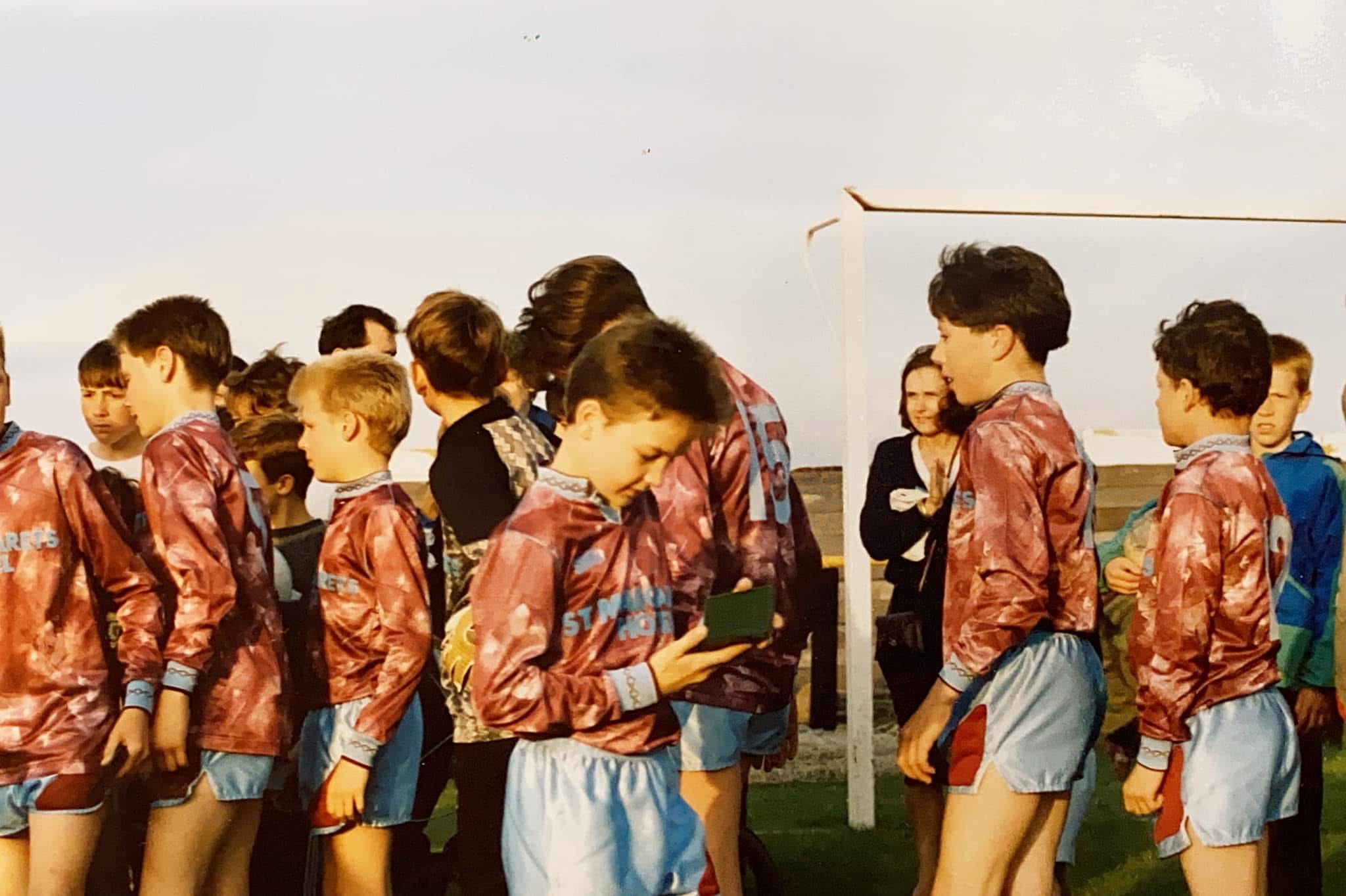
I was playing it safe, afraid of making a mistake. Dad’s encouragement helped me move beyond that fear, take a risk and begin to play as I knew I could.
Reading Keller’s wider work brought that memory back with fresh meaning. Her words about love enlarging vision helped me appreciate what Dad had done. He knew me, cared about me and could see more than my hesitation. His words helped me see something in myself that I had stopped seeing.
Sometimes another person can help us recognise what we are capable of, and begin to see ourselves differently.
Even now, remembering that afternoon encourages me. It also makes me think about a child or a colleague who has grown hesitant. Is there something real I could notice and encourage in them, as Dad did in me?
There is fulfilment in seeing someone begin to enjoy what they can do. I think of that ball arriving and the freedom to run.
At the end of her imagined days, Keller pictures herself keeping what she has seen, familiar things awakening those memories through touch. A moment can continue to give after it has passed. I had already been thinking about the reminders we keep of people, places and experiences that matter. Keller turned my attention to the moment before the memory, while the person is still here and the afternoon is still unfolding.
Attention matters because memory begins in the moment itself. Attention helps us receive the moment; memory allows us to receive something of it again. If I want a moment to have a chance of lasting, I need to be fully present where I am — looking, listening and paying attention. That presence can help an experience take hold in memory, though it cannot promise to preserve it. Memories change, and even precious details escape us. Yet a photograph, an object or a song may bring some of that pleasure back within reach.
The football memory held something more. Dad had seen an ability that fear was keeping from the game. Reading Keller’s words about love, I began to wonder about the possibilities we help one another recognise. What might be here that has not yet had room to become?
III · What Do We Do With What We See?
By now I was reading beyond Three Days to See. The question that had begun with gratitude for eyesight was opening into imagination, love and what might become possible.
Keller’s life had carried her far beyond the water pump where a word had come alive in her hand. Her writing ranged across faith and politics, art and disability; her travels became opportunities to press for better lives for other people. She was interested in what the world could become as well as in what it offered her.
In My Luminous Universe, she describes love as “a desire for good united with wisdom and fulfilled in work and deed”.
I like how she brings desire, wisdom and action together. Wanting something good for someone or a place does not mean I already know what would help. Love may begin with taking the time to find out. But it also looks for ways to give that desire practical expression. I think again of the Good Samaritan: he saw someone suffering, came close and offered the care he could.
Keller’s Christian faith was shaped by the writings of Emanuel Swedenborg, an eighteenth-century Swedish scientist and Christian thinker. His writings helped her understand God’s love and wisdom, and the place of useful service in a life of faith. I appreciate the value she places on love expressed through compassion, wisdom and service.
She describes the satisfaction she found working alongside people whose concern was not whether they would serve Christians, Jews or Buddhists, but how they might help:
“God, in Thy wisdom help me to decrease the sorrows of Thy children and increase their advantages and joys.”
I liked the focus of this prayer: working together to make life better for the people they served. I love that the prayer makes room for joy. There is suffering to relieve, but there are also good things to make possible: opportunities to learn, places to enjoy, friendships, laughter and beauty. Service can help make life more enjoyable as well as more bearable.
Her words reminded me of the Lord’s Prayer, asking for God’s kingdom to come and His will to be done on earth as in heaven. I think of that partly in these ordinary, tangible ways: suffering relieved, people cared for, more opportunities for joy.
I had recently written about Andrew Carnegie’s gift of Pittencrieff Park to Dunfermline, and his hope of bringing “sweetness and light” into people’s lives. Reading Keller, and learning about her work to make education more accessible, I recognised an echo of that same desire: more beauty, delight and joy, alongside opportunities to learn and develop.
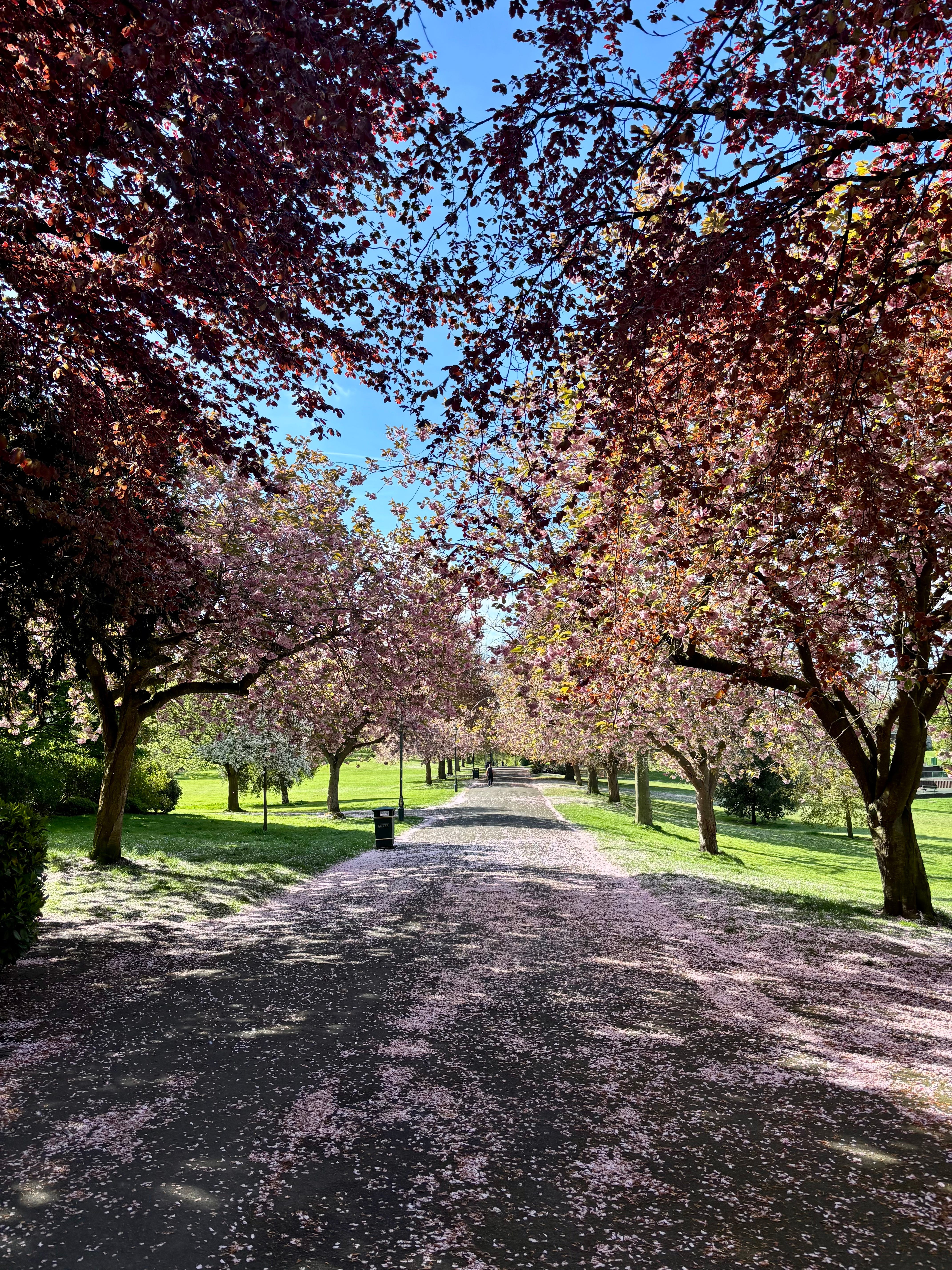
Her wider writing made me think about ways of seeing I had grown up around.
My mother has an eye for beauty and a spirit of excellence. Whether she is preparing a table for guests or choosing wallpaper, lights and ornaments, she can imagine how the details will come together to make a home or a celebration more welcoming and enjoyable.
My father often saw what something could become. Even children’s dungarees could be given a new look with Levi’s pockets taken from an old pair of jeans and stitched on. I grew up seeing how imagination could become something practical, creative and good fun.
After I met Lynsey, her parents showed me another expression of that same creativity. In the homes they bought and renovated, I watched them repair what was broken and bring beauty back to places that needed care. They helped me appreciate the value of restoring something rather than simply throwing it away. I saw their gift especially in the gardens: building rockeries, planting flowers, tending roses, finding places for bird baths and trees. They put care into creating beautiful gardens and into keeping them beautiful, season after season.
Reading Keller’s description of love, I thought of both sets of parents. I had watched them imagine something good, work out how to make it happen and put their hands to it. I had seen the joy it brought them too.
These gifts also came together in a derelict lemonade factory.

Dad and his team could see a future for it. They had enough money to purchase the building. They did not have enough to renovate it.
Years of fundraising and sacrificial giving by the church gradually transformed it. The building received a new roof and became a contemporary church and conference centre, with room for more than eight hundred people in its main hall. Mum brought her eye for beauty and spirit of excellence to the work, helping to design the building’s interior.
It began to serve the community in all kinds of ways. People came for worship and conferences. An after-school children’s club met there. A driving-instructor school used the premises. When a fire at a local school left pupils without classrooms, a year group used our building while they were displaced.
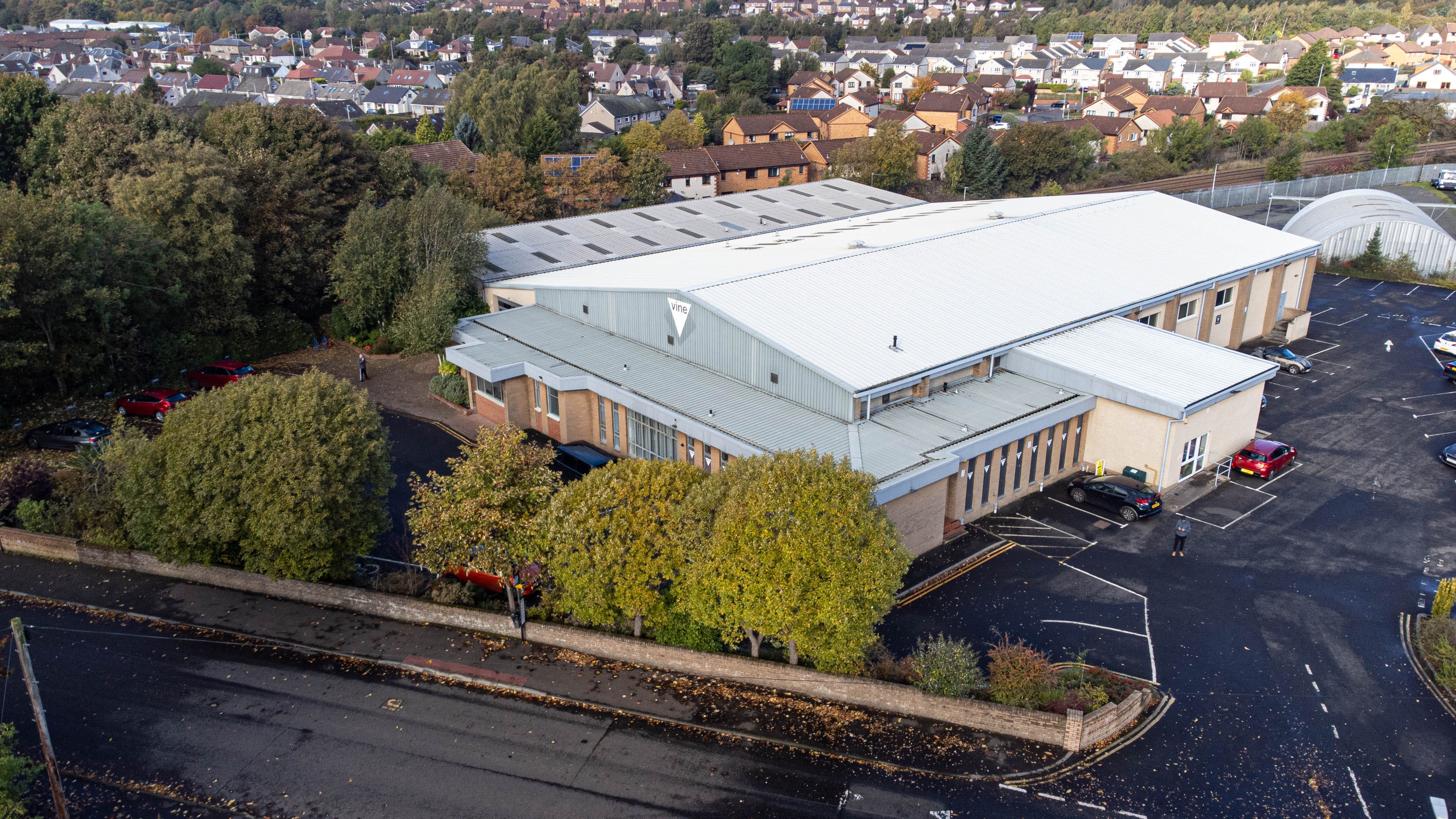
The derelict building Dad and his team had bought became a place where children could continue going to school.
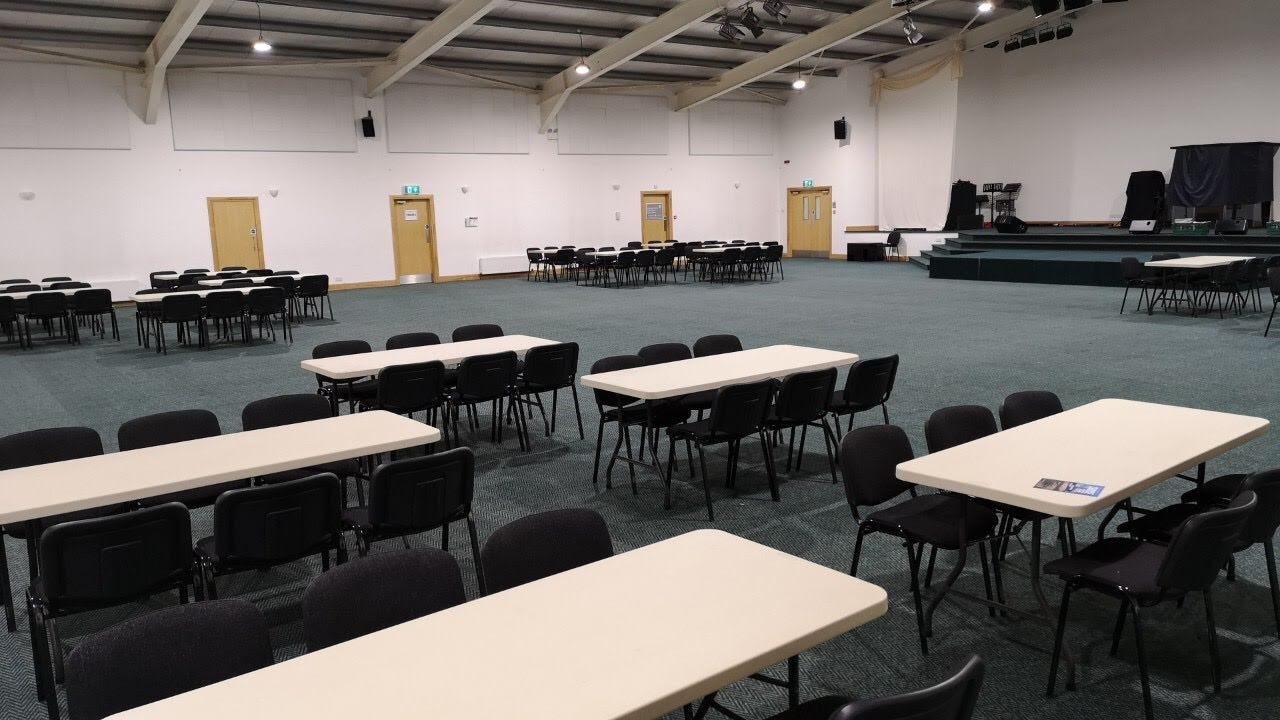
I have never forgotten what the building became for those children. At Christmas, Mum and her team decorated the building, and the children arrived to find their temporary school transformed into a place of colour, warmth and delight—a Christmas wonderland for the school day.
Dad could see what the factory might become, but it took many people to make that vision real. The finished building carried the generosity of the church, the skills of those who worked on it and years of perseverance, as well as Dad’s imagination.
A line Keller quoted came back to me: “There is no force so mighty in the world as perseverance.”
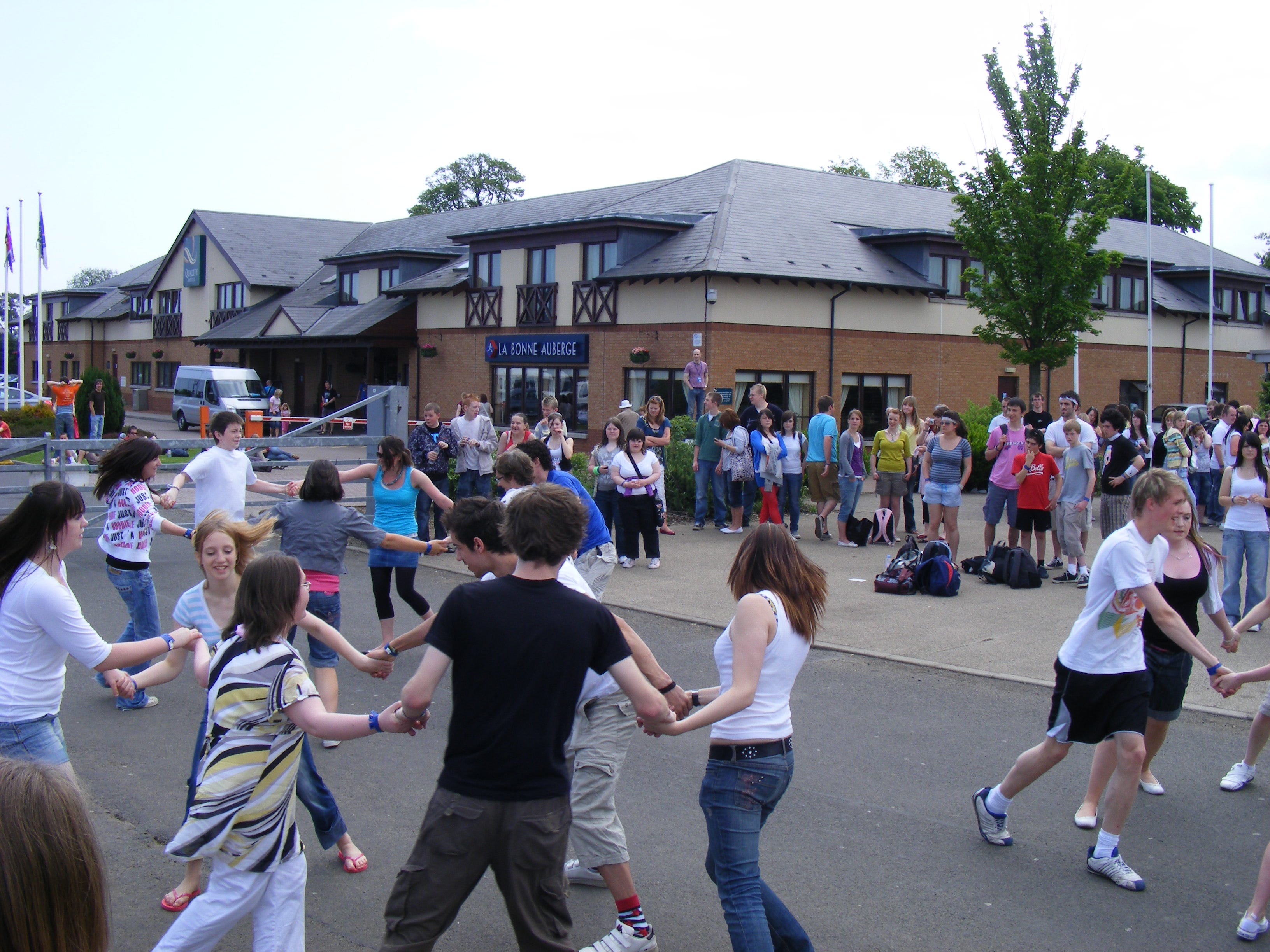
Other memories came back to me. Dad once asked my brother Justin what his dream was. Justin told him about a music festival he imagined, and Dad told him to go and make it happen. That dream became Frenzy, a festival in Edinburgh that brought thousands together for a day of worship, with bands travelling from across the world.
On the island of La Gonâve, Haiti, the missionaries Dan and Joy Irvine, who were living there, introduced Justin to a hospital. Seeing its condition, he began to imagine what a new hospital on the island might become. These experiences happened long before I read Keller. Her writing was helping me look back at them with fresh attention—not as things she had taught me directly, but as places where questions about possibility, love and service had already begun to take shape.
What is here? What might become possible? Who would be served?
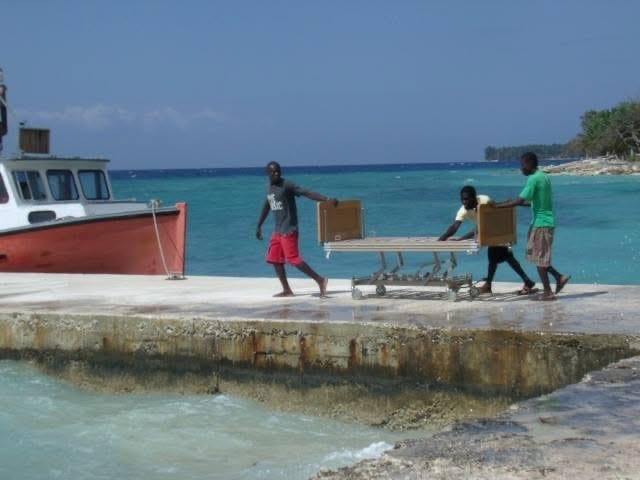
Keller’s words about love bring me back to the wisdom such hopes need. Imagining a finished building is one thing; understanding how to repair its roof is another. Helping a community begins with listening to the people who live there. We need people who know things we do not, and the willingness to let what they tell us change our plans.
And sometimes we meet a need that matters to us while knowing we cannot take responsibility for the whole of it.
When we first visited The Jesus Home for Children on the island of La Gonâve in Haiti, Mme Soliette was already caring for a large number of children in an overcrowded house with no running water or electricity. She had begun the home years earlier and carried a vision for something better — a place where the children could live more like a family, with room to learn, grow and play.
At the time, we were already involved in constructing a hospital on the island through LemonAid, a charity established to oversee these projects. We could see how inadequate the existing conditions were, and we wanted to help Mme Soliette realise the vision she was already carrying. This would become part of the story of Okipe.
We were already giving our time, attention and fundraising efforts to building the hospital. We did not have the capacity to lead another major project. Seeing the need did not remove those limits.
It was difficult to care so much and know that we could not take responsibility for the whole need. At first, our response was simply to acknowledge the need and pray.
Later, Bill Cody entered the story. In California, he read a newspaper report about child trafficking in Haiti. It disturbed him, and he sensed that he should “show up” and see what his part of the story might become. He looked for a charity working in Haiti, found LemonAid and travelled there to discover whether there was something he could help with.
After being shown several projects, he visited the children’s home run by Mme Soliette. There he felt he had found the purpose of his visit. Through prayer and wisdom, he decided to give himself to helping her pursue her dream: a children’s village on four acres of land, with ten homes.
Bill decided to take responsibility for leading the project and overseeing its development. He invited me to join a team, opening a way for me to help alongside others.
Mme Soliette’s local knowledge and vision gave the work its direction. Extollo brought construction expertise and training for Haitian workers. Others contributed finance, labour, relationships and practical support. Over the years, through building, prayer, perseverance and collaboration, a four-acre village took shape.
The children already belonged to a community with relationships, knowledge and hopes of its own. Mme Soliette and those caring for them knew things that visitors could not learn in a short stay. Helping meant listening and working with them.
Our part was one contribution to that shared work. A village needs much more than buildings. It needs the daily care, meals, learning and relationships through which children can feel at home.
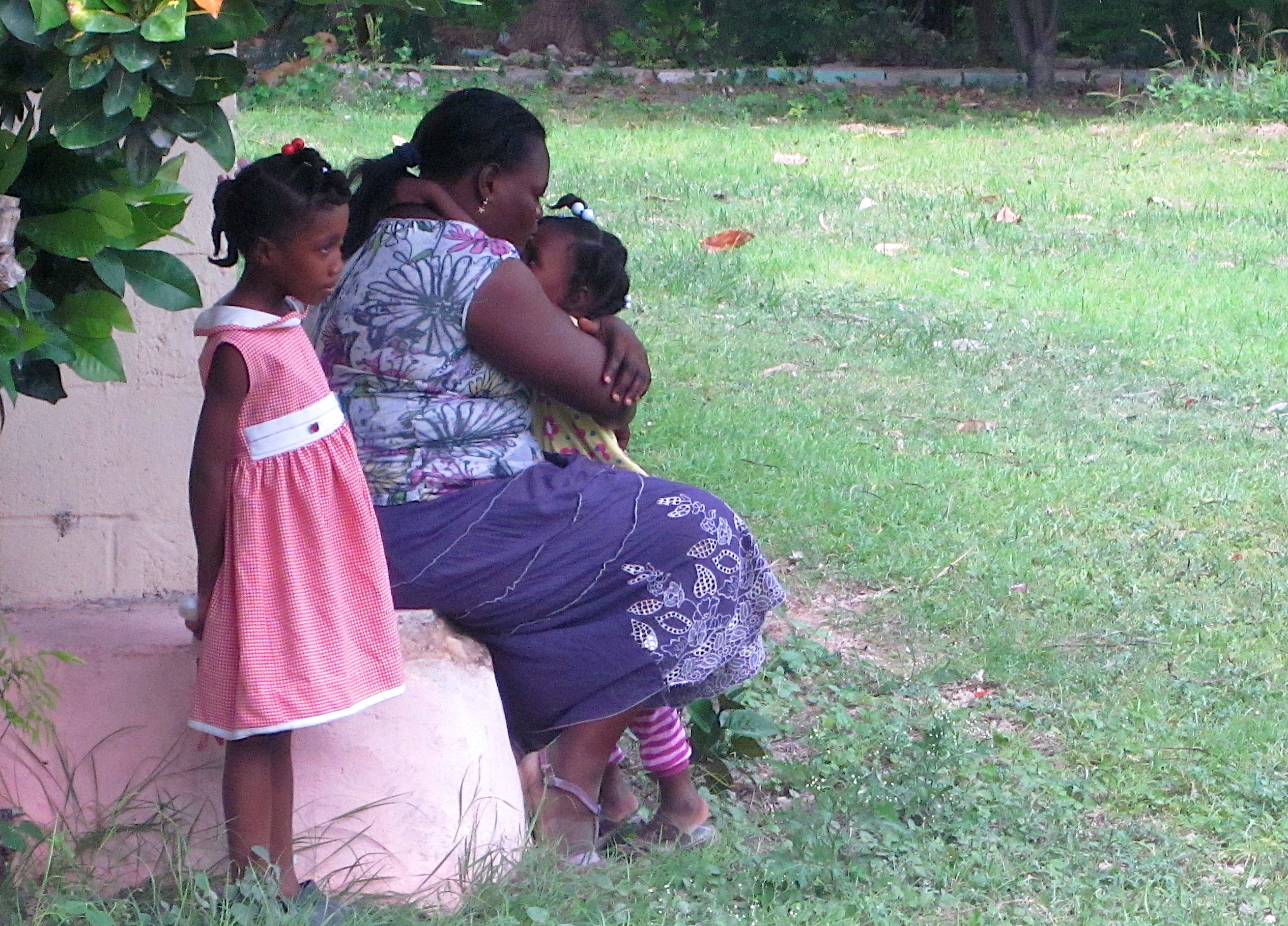
First, we show up. By drawing near, we can see the real need and hear the heart of the people already involved. Mme Soliette was already carrying a vision for the children. We needed to understand what she was building and ask how we could support it. Only then could we begin to help that vision take shape in a way that honoured what was already there.
Vision reveals possibility. Wisdom helps us discern our part.
We do not have to become the whole answer to every need we see.
Remembering that helps me care without assuming I must carry everything. There will always be more pain than I can mend, more possibility than I can pursue. Sometimes I can listen or encourage. I may be able to contribute, introduce two people or join work already underway. Sometimes I need to say no, pray and release what I cannot carry.
Keller’s life reminds me how much becomes possible through people helping one another. Laura Bridgman taught Anne the manual alphabet. Anne taught Helen. Years later, Polly spelled a sunset into Helen’s hand. Each offered something particular. I began to see how help can be passed on: what one person receives can become something they offer to another. I wonder if receiving such devoted help shaped Keller’s own desire to serve.
There are people close to home who need our time too. A worthwhile project can absorb us while a spouse waits to talk or a child hopes we will play. We also need sleep and rest, however much we care about the work.
I have come to value margin: enough space in my days to notice people and respond, and enough rest to enjoy being with them. I can fill my life with good things and still become too tired or distracted to appreciate them. Sometimes I need to put something down. For me, a weekly rhythm of rest and worship helps me protect that margin.
Even Keller’s imagined three days cannot contain everything she wants to see. She knows she will reach the end with things still unseen.
We have limits too. Our curiosity and love can reach further than our time and strength.
The work can remain unfinished while I rest and enjoy the people I love.
Near the end of her third day, Keller has one more wish. After the streets and factories, the people at work, the happiness and misery she has wanted to understand, she would spend her final evening at a hilariously funny play.
She still wants to laugh.
I love that she makes room for laughter too. After all she has wanted to understand about work, poverty and suffering, she still wants the pleasure of a funny play.
When her three days end, she imagines keeping their memories. Then she turns back to her readers and the senses through which we can enjoy the world now. The fragrance of a crushed leaf. The warmth of a hand. Colours we have walked past without noticing. Someone familiar with something new to tell us.
I began with a question about what a person who is blind could teach me about seeing. I have come to know more of Helen Keller, and I want to keep reading her. Her longing remains with me, and so does her appetite. The books, the dogs, the sunset, the pleasure of discovering something new. The friend close enough to share it.
Learning to see means noticing what is here and allowing it to matter. Sometimes what we notice asks something of us. Sometimes it means putting down what we are doing and listening. And sometimes there is simply something beautiful to enjoy.
I think again of Keller wanting to see Anne Sullivan’s face, and of the faces I can look at today. There is still more to notice in the people I love, more to ask about, more to enjoy together.
I want to give them time.
Keller imagined what she would do if she were given three days to see.
I have been left wondering what I will do with the sight I have been given today.
Perhaps her greatest gift to those of us who can see is simply reminding us not to miss what is already here.
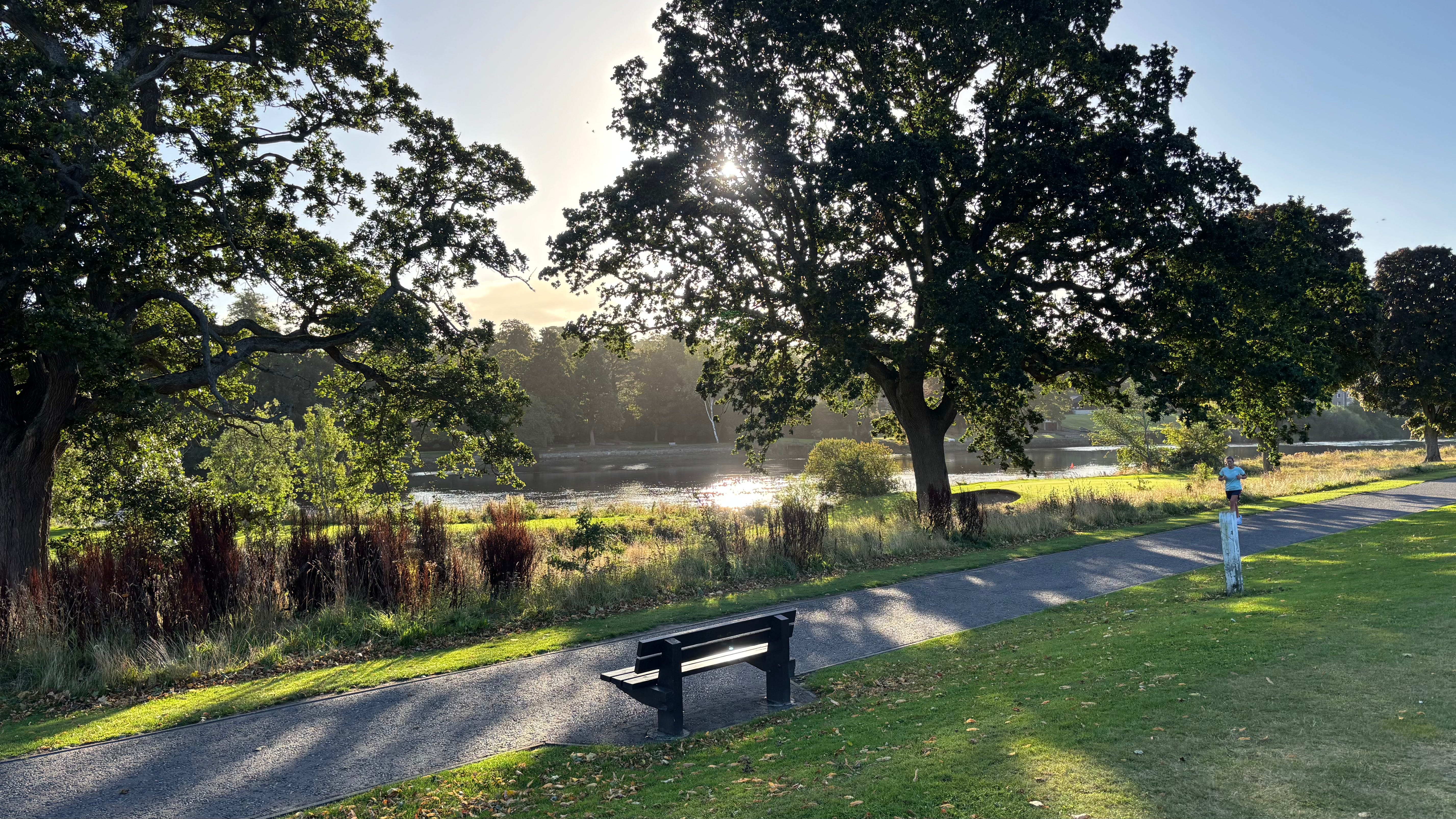
View the Photo Journal
I Could See: A Photo Journal — a visual companion to Wonder Reading 001.
Reading sources & further exploration
The links below allow readers to continue into Keller’s original writing, the principal historical material, the related Wonder Atlas essays and the research that sits quietly beneath the prose.
Personal and family stories are drawn from the author’s lived experience and recollection. Where exact dates or durations were uncertain, they have been left unspecified rather than reconstructed.
Helen Keller, Three Days to See (1933). American Foundation for the Blind transcription. The primary work read throughout this manuscript.
Helen Keller, The World I Live In (1908). Touch, language, imagination, relationship and the richness of Keller’s lived world.
Helen Keller, Magic in Your Fingers! (1932). Touch and the sensory possibilities sighted people may overlook.
Helen Keller, Helen Keller in Scotland (1933). The Forth Bridge, Dunfermline and Pittencrieff Park; relational perception; “Love lifts the rim of vision.”
Helen Keller, My Luminous Universe (1956). Keller’s faith, hope, delight and useful service.
Helen Keller, Helen Keller’s Journal 1936–1937 (1938). Dundee entries, pp. 43–45: Polly Thomson describing the Tay sunset; the garden and Dundee marmalade in the weeks after Anne Sullivan’s death.
American Foundation for the Blind, Helen Keller Biography. Childhood illness, Anne Sullivan, finger-spelling, the water pump, education and adult work.
Perkins School for the Blind, Anne Sullivan. Anne’s education, sight loss, friendship with Laura Bridgman and arrival at the Keller home.
Matthew Z. Capps, Drawn by Beauty: Awe and Wonder in the Christian Life. The book through which the original encounter with Keller’s words occurred.
Biblical passages: 1 Timothy 6:17 (enjoyment as gift); Luke 10:25-37 (the Good Samaritan); Genesis 2:1-3, Exodus 20:8-11 and Deuteronomy 5:12-15 (Sabbath, rest and receiving life before work).
Related Wonder Atlas reading
Aaron Dowds, The Tractor That Slowed Me Down. A Wonder Essay about a slow road, a tractor and the unexpected gift of seeing differently.
Aaron Dowds, They Looked Different. A Wonder Essay about first impressions, welcome and learning to see more of another person.
Aaron Dowds, Sweetness and Light. A Wonder Essay about Andrew Carnegie’s gift of Pittencrieff Park and the hope of bringing “sweetness and light” into ordinary lives.
The Wonder Atlas, current reading home. The growing collection of Wonder Essays, observations and Research Companions.
Related history and project material
Carnegie Dunfermline Trust, Andrew Carnegie Legacy. Official history of the Pittencrieff gift and the “sweetness and light” purpose.
Okipe, The Jesus Home for Children of La Gonâve. Contemporary project material about Mme Soliette, the Children’s Village and life at Okipe.
Starfysh, A Solar Hospital: This is the Vision. This is the Goal. Historical material on the La Gonâve hospital project and Lemon Aid partnership.
The Wesleyan Church, A New Day for La Gonâve (2014), p. 25. Dan and Joy Irvine’s account of the new La Gonâve Wesleyan Hospital, the partnership involving Lemon Aid, Compassion UK and the Wesleyan Mission, and the hospital’s 2013 dedication.
Evidence behind the prose
Naghshineh and colleagues, Formal art observation training improves medical students’ visual diagnostic skills (2008). A specific educational study supporting the carefully limited observation-training example in Part I.
Adult visual perceptual learning review. Supports the qualified claim that particular perceptual abilities can improve through experience and practice.
Eyal, Steffel and Epley, Perspective Mistaking (2018). The distinction between imagining another person’s perspective and asking for it.
Cowan and colleagues, The Relation Between Attention and Memory (2024). Attention contributes to memory; the manuscript does not treat it as a guarantee of lasting recollection.
Helen Keller archival photographs: Library of Congress, Prints and Photographs Division. 1897 photograph by Notman; 1914 photograph by Gerhard Sisters. Public-domain archival material accessed via Wikimedia Commons.
Frenzy photograph: Frenzy photographic archive. Used with permission.
All other photographs: Aaron Dowds personal archive.
THE WONDER ATLAS · Learning to see, one wonder at a time.
What a wonderful piece Aaron, a remarkable story really. Thank you for sharing this so beautifully. I look forward to your next one xx