


I Could See: A Photo Journal
A visual companion to Wonder Reading I could See
This Photo Journal accompanies Wonder Reading 001 — I Could See.
I Could See began with a few lines from Helen Keller and a question I could not leave alone. As the reading continued, photographs began to gather around it.
Some belong directly to the story. Others preserve the people, places and ordinary moments that her words helped me notice again.
This Photo Journal follows that visual journey—from the chair where the reading began, through looking, relationship, imagination and useful service, and finally back to the ordinary world already waiting to be seen.
I · The Reading Begins
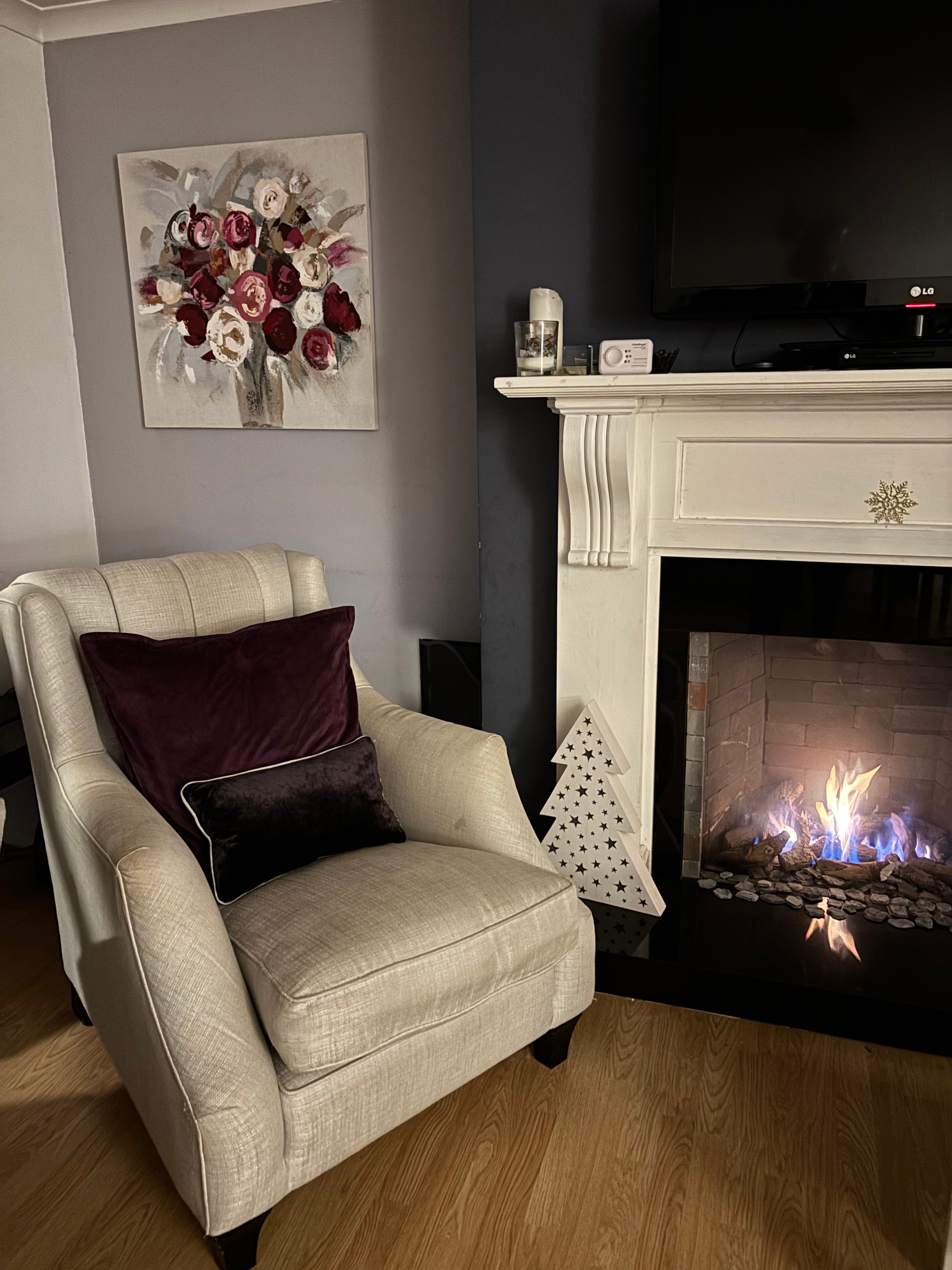
It began here: a chair beside the fire with a book and a few words from Helen Keller that caught my attention.
I had not set out to begin a new journey. I was simply reading. But some sentences make us stop. They open a door, and quietly change what we begin to notice.
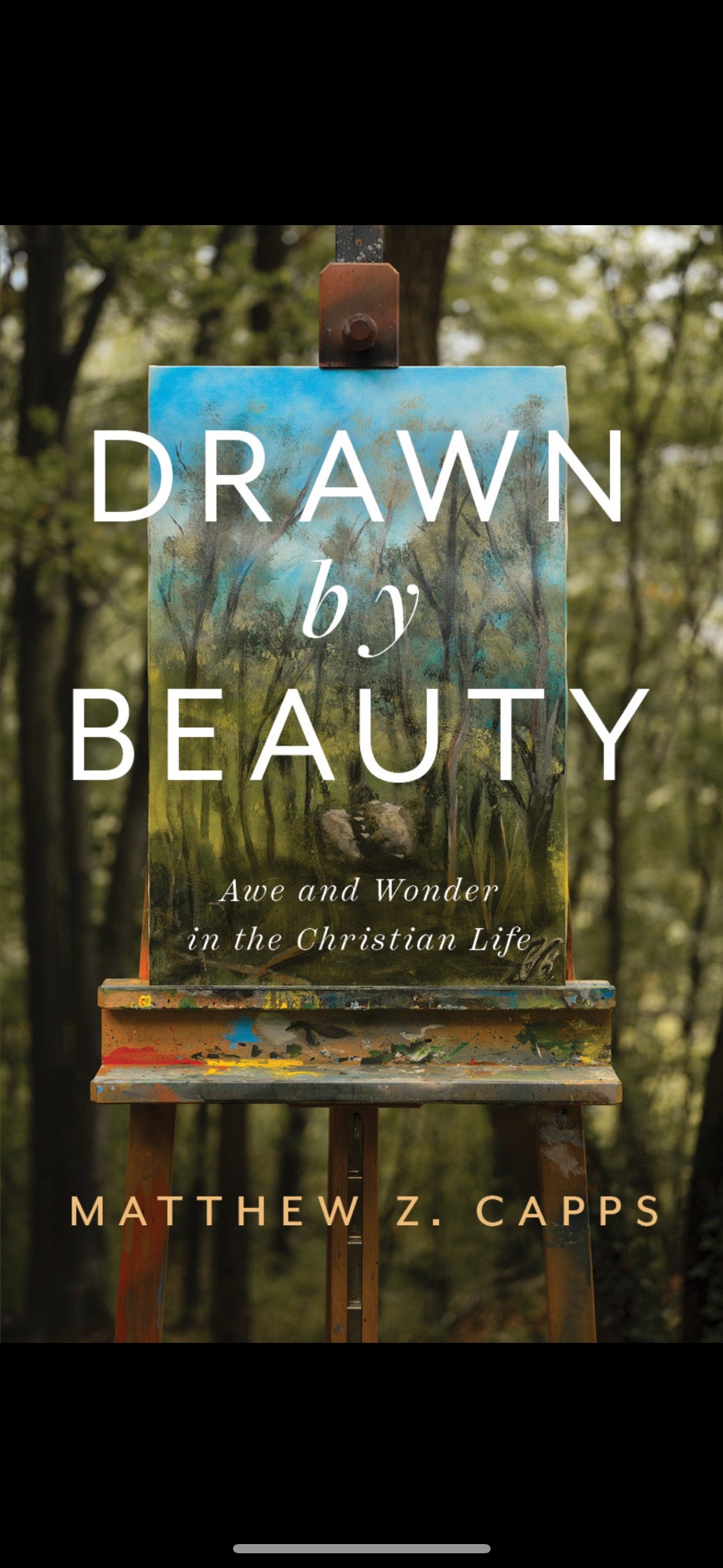
The book was Matthew Z. Capps’ Drawn by Beauty. Somewhere in its pages I came across Helen Keller’s words about sight — words written by someone who could not see, yet seemed to notice more than many of us who can.
That was the moment the question began to follow me: What am I failing to see?
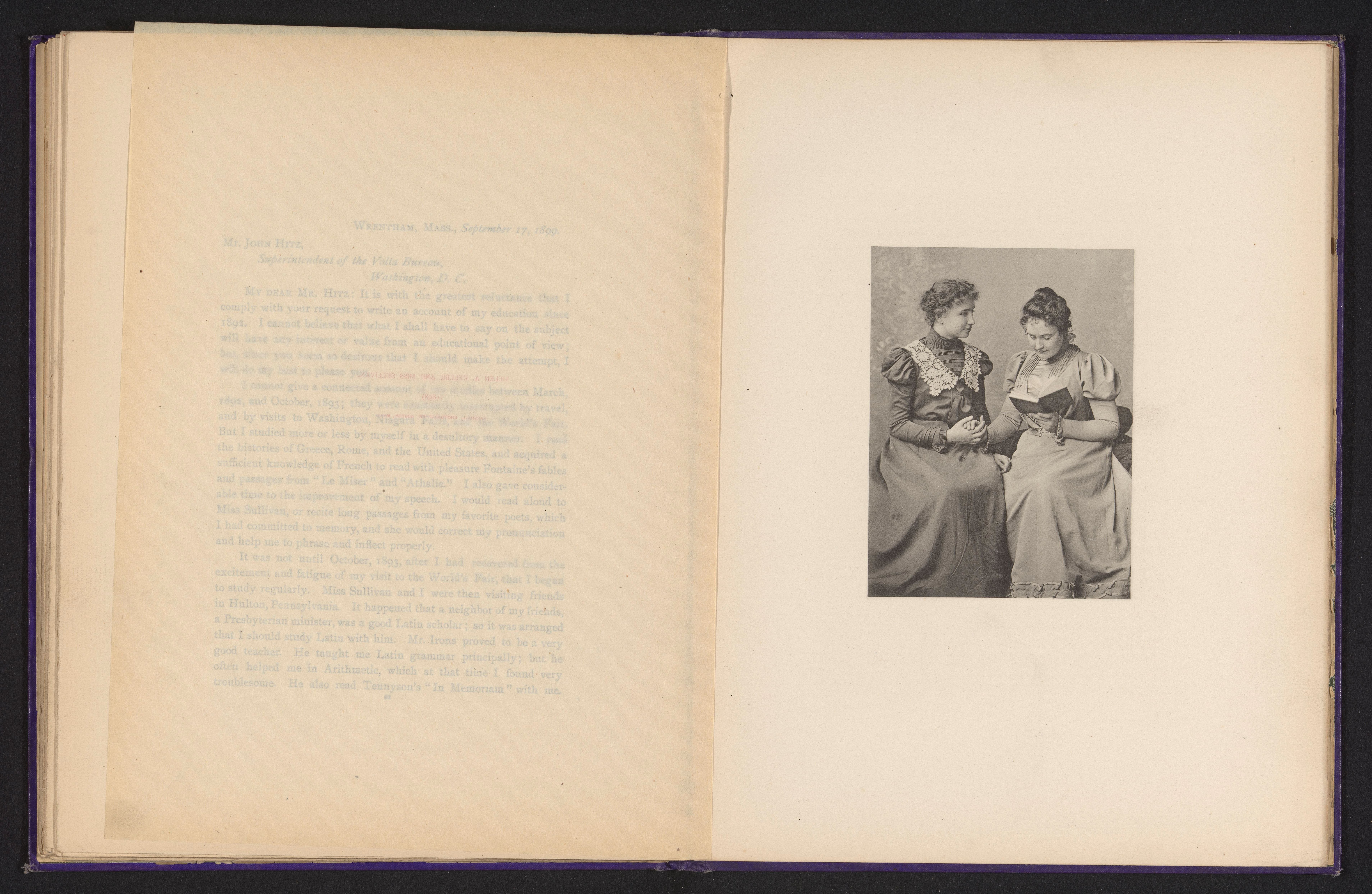
And then I reached a passage from Helen Keller that stopped me.
Keller was writing about the strange human tendency to take for granted what we already possess — and about how differently we might live if we really recognised the gift of sight.
I highlighted it. Then I kept thinking about it.
The words made me want to know more about the woman who had written them.
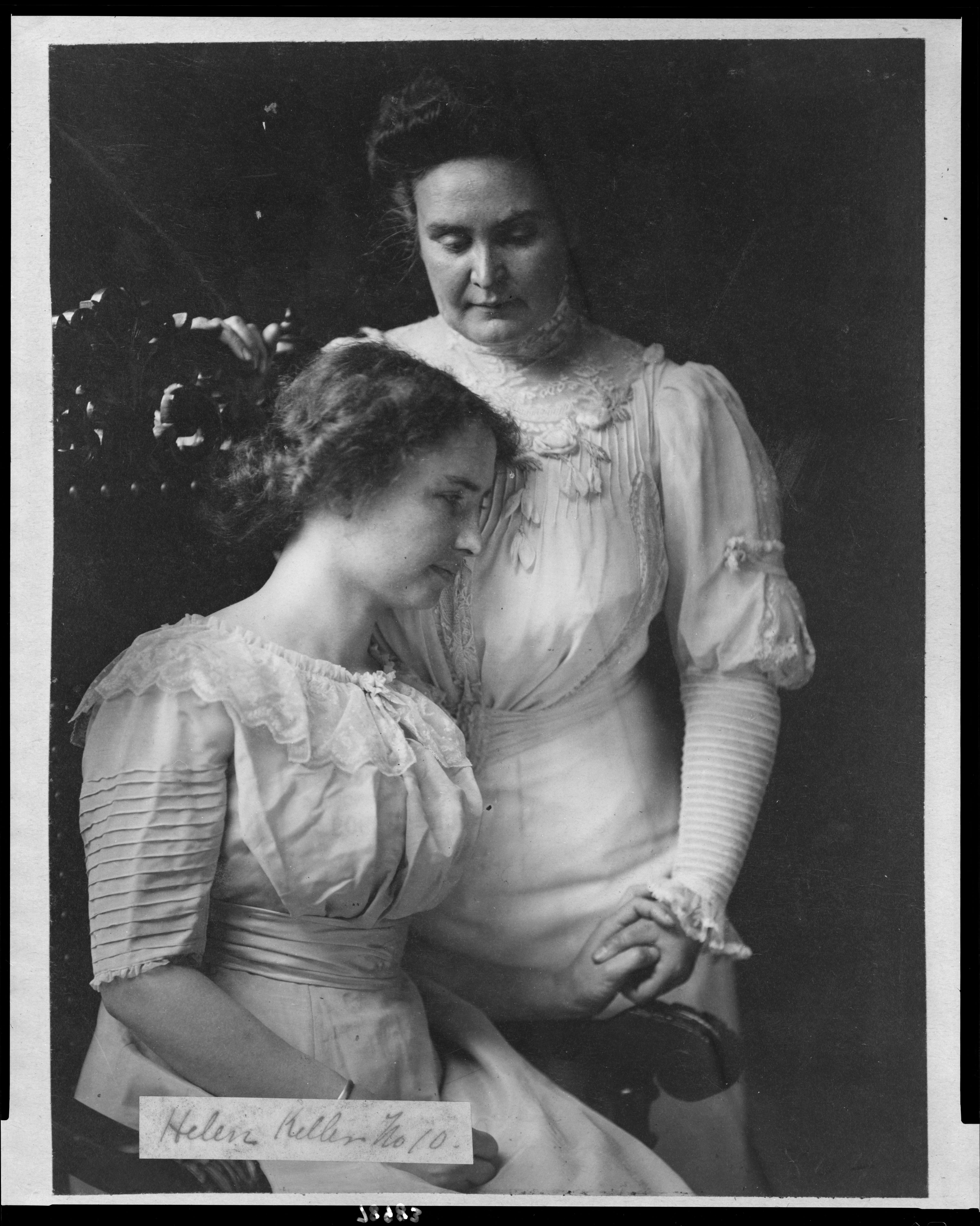
That led me back into Helen Keller’s life, and inevitably to Anne Sullivan — teacher, companion and friend. The more I read, the more their story became part of the journey too.
What struck me increasingly was that Helen’s story was never only about sight.
It was also about touch, language, trust and relationship — about another person patiently helping her make contact with a world that had seemed closed.
Before long, the reading was becoming something larger than a story about Helen Keller. It was beginning to change the way I was looking at my own world.
II · Learning to Look
Once I had begun thinking about sight, I found myself paying more attention on ordinary walks.
I wasn’t searching for anything remarkable. I was simply trying to look more carefully at what was already there.
That is part of learning to see: not always finding something new, but noticing more of what has been beside us all along.
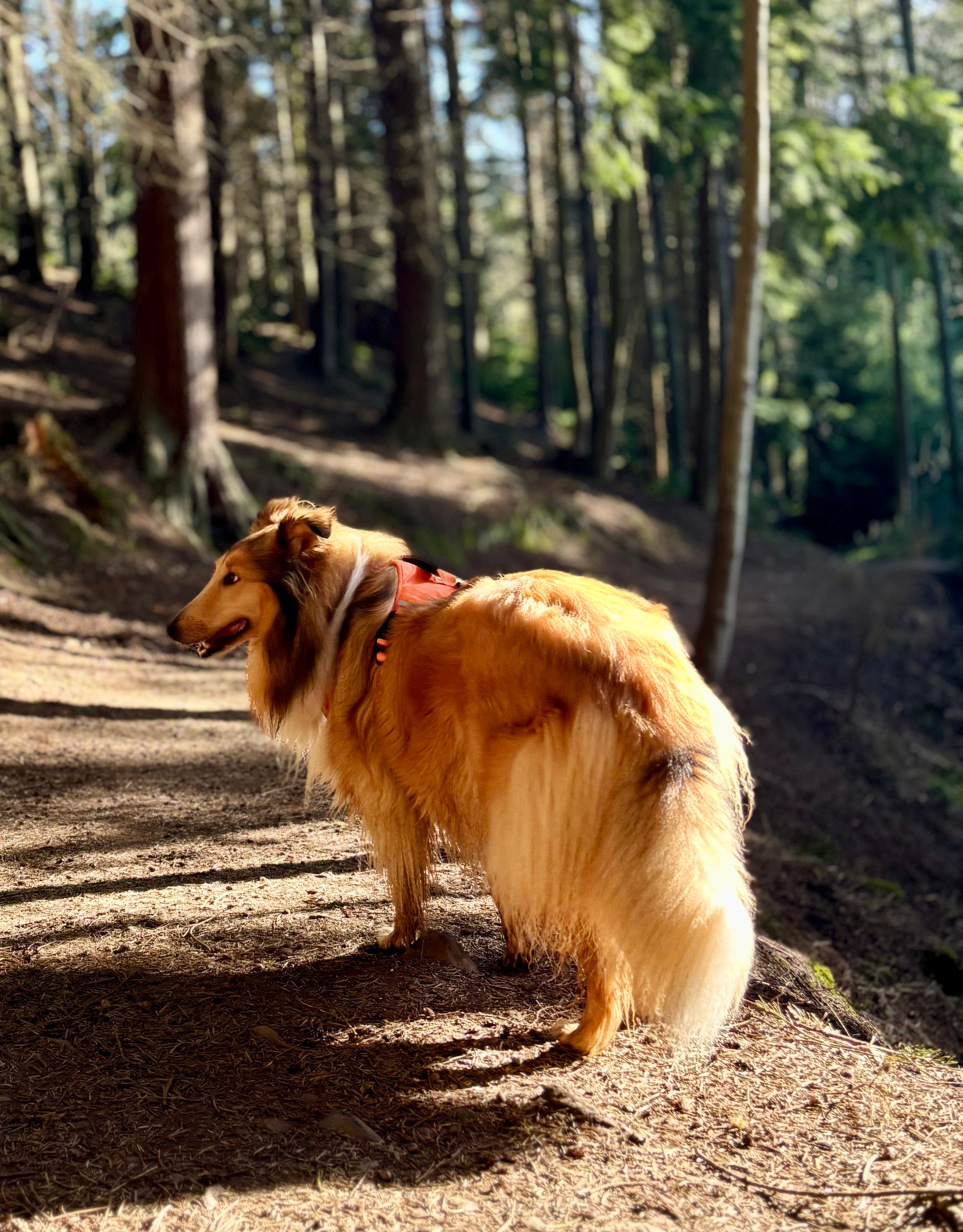
Some of the places I know best are also the easiest to stop seeing.
A road walked many times can become part of the background. But when I slow down and look again, familiarity does not make a place empty. There is still more to notice and enjoy.
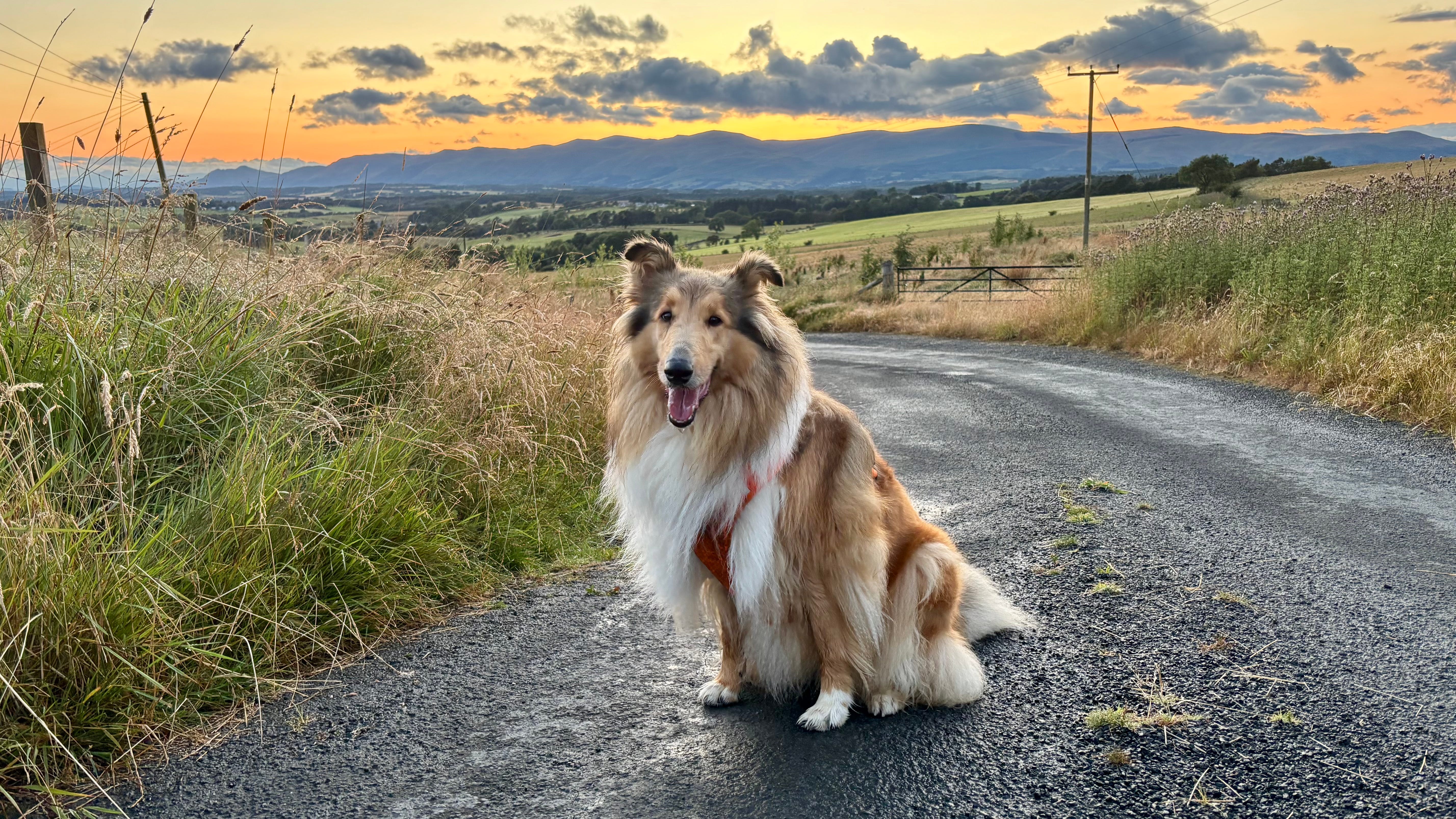
Looking more carefully also changes scale.
The large view matters, but so does the tiny life almost beneath our feet. While hiking through the Ochils, something about this caterpillar caught my attention. I stopped, looked more closely and enjoyed what was there.
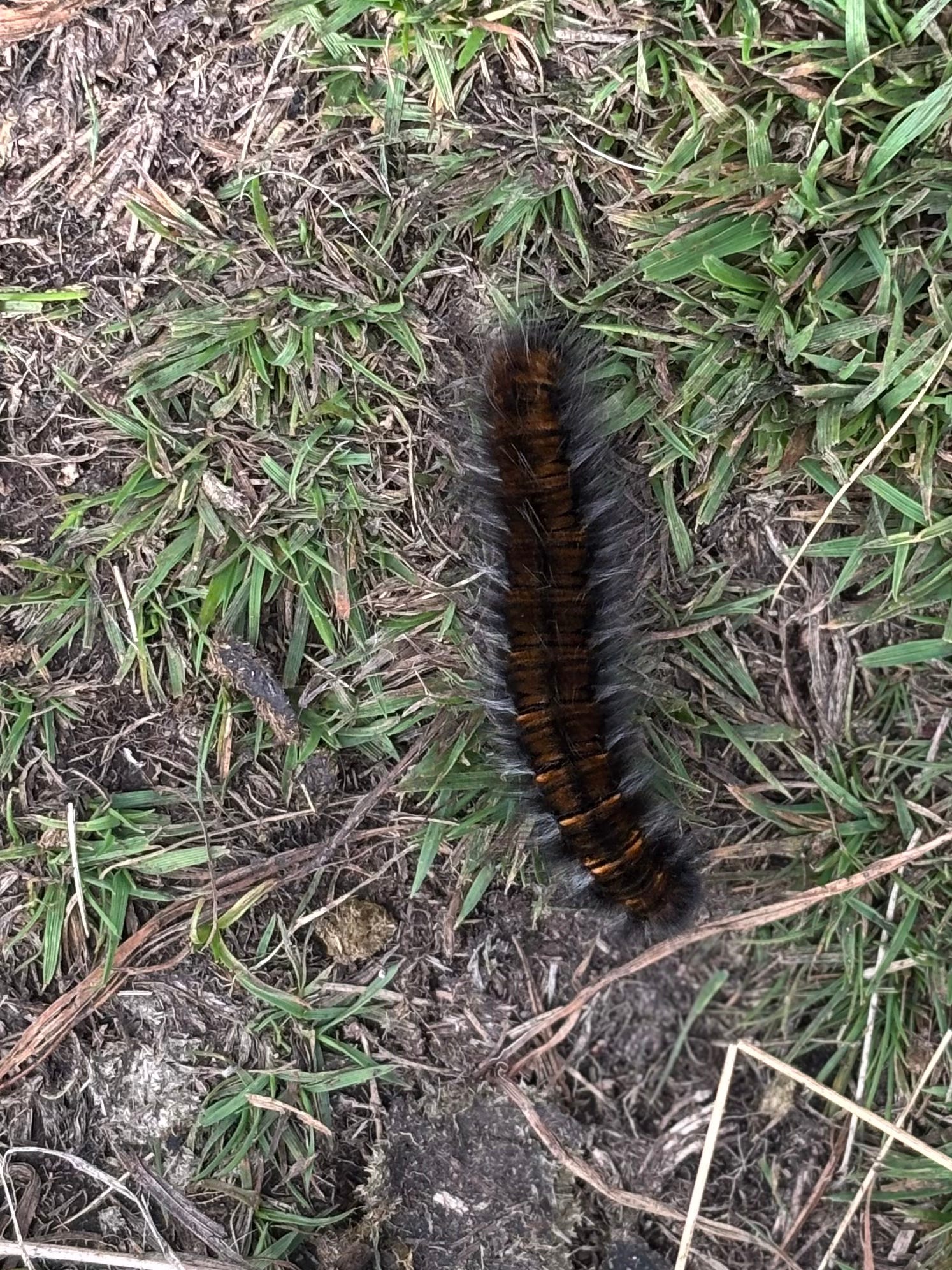
Sometimes noticing begins before we ever pick something up.
These conkers were simply lying beneath the trees, scattered among their split husks. Their shapes, colours and textures were already there — waiting to be noticed, touched and experienced.
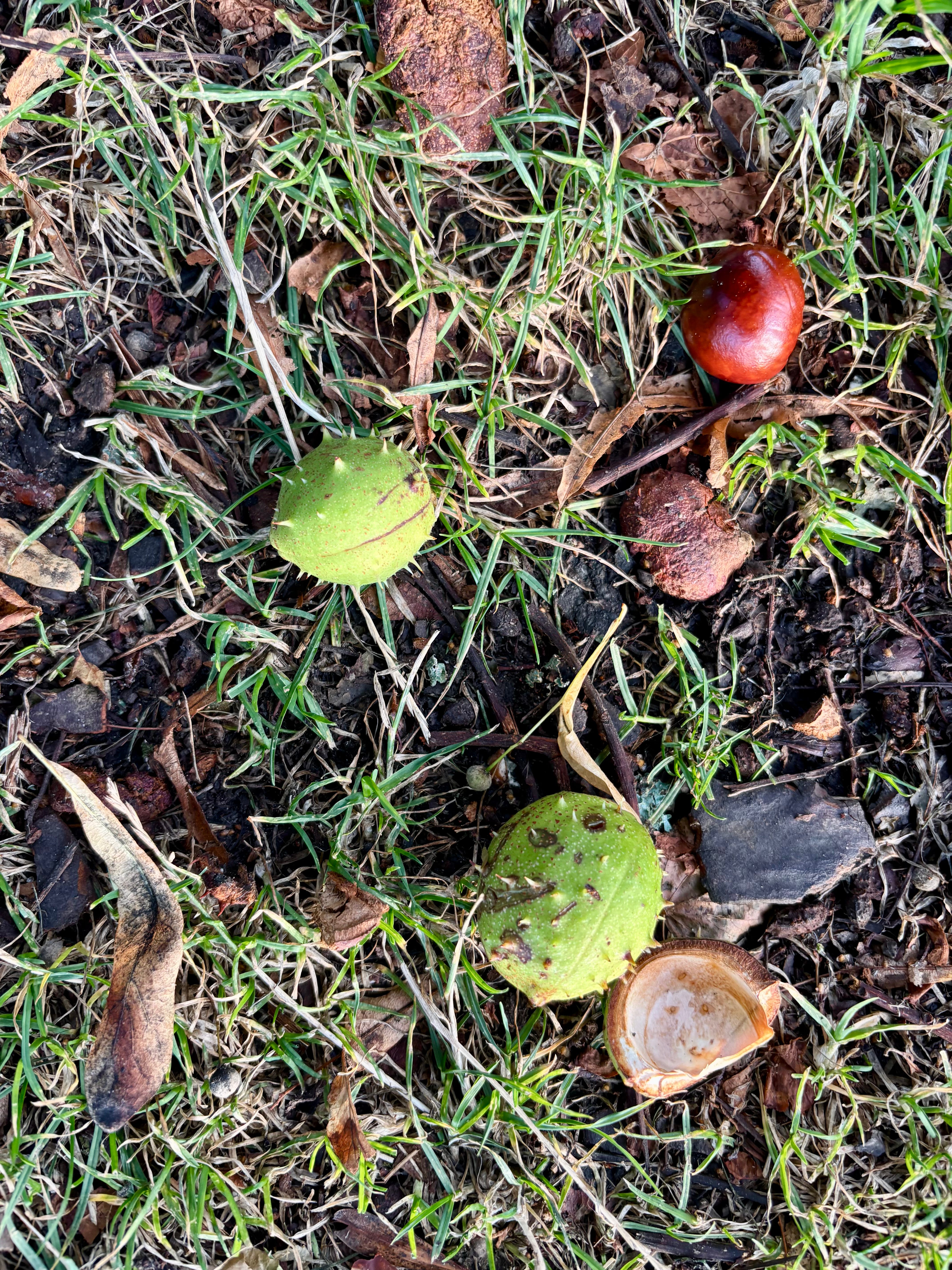
The more closely I looked, the more ordinary things began to hold my attention.
A cluster of berries. Small changes in colour. The way light sat on their surface. Nothing dramatic — just something worth stopping to notice.
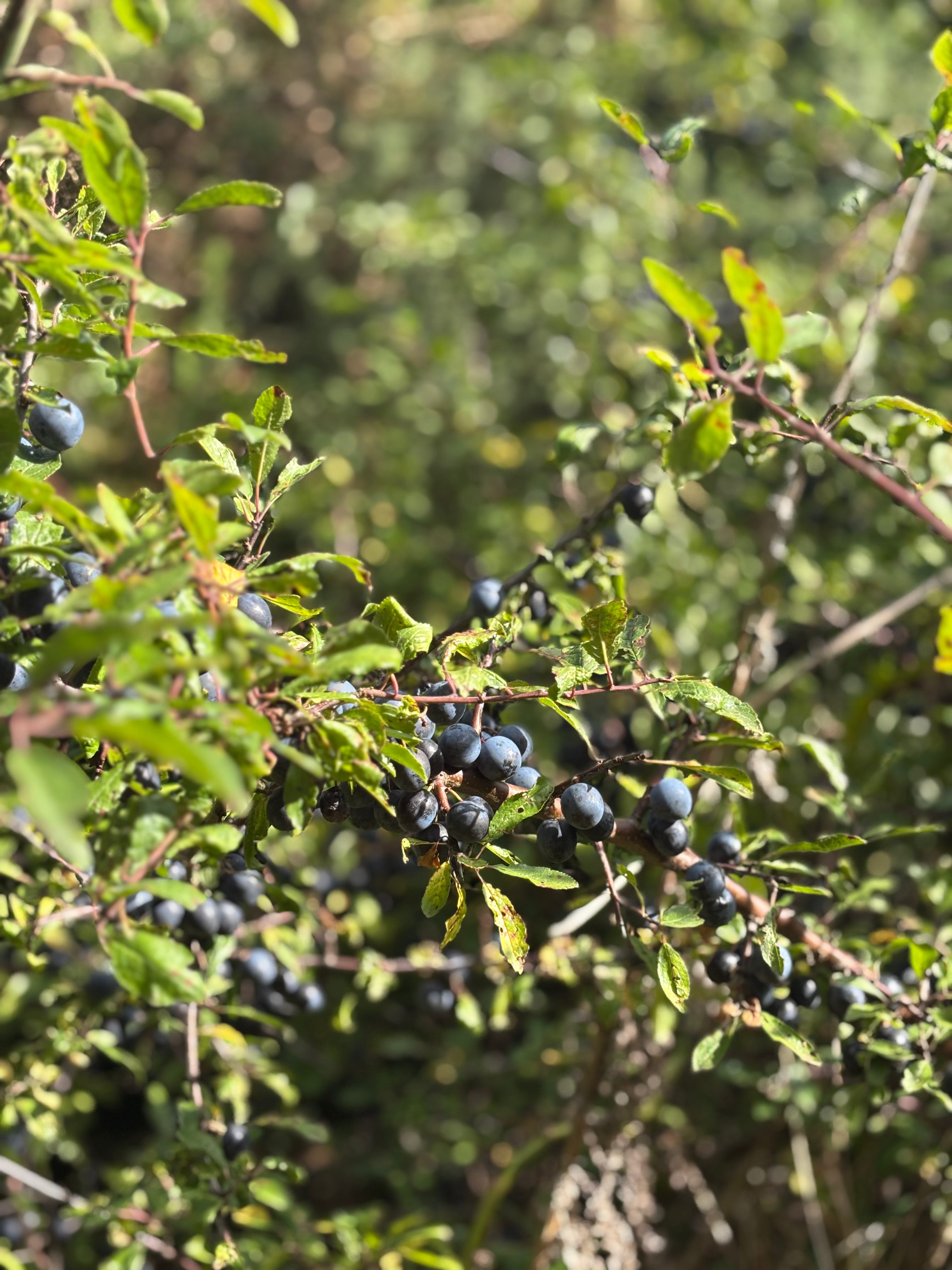
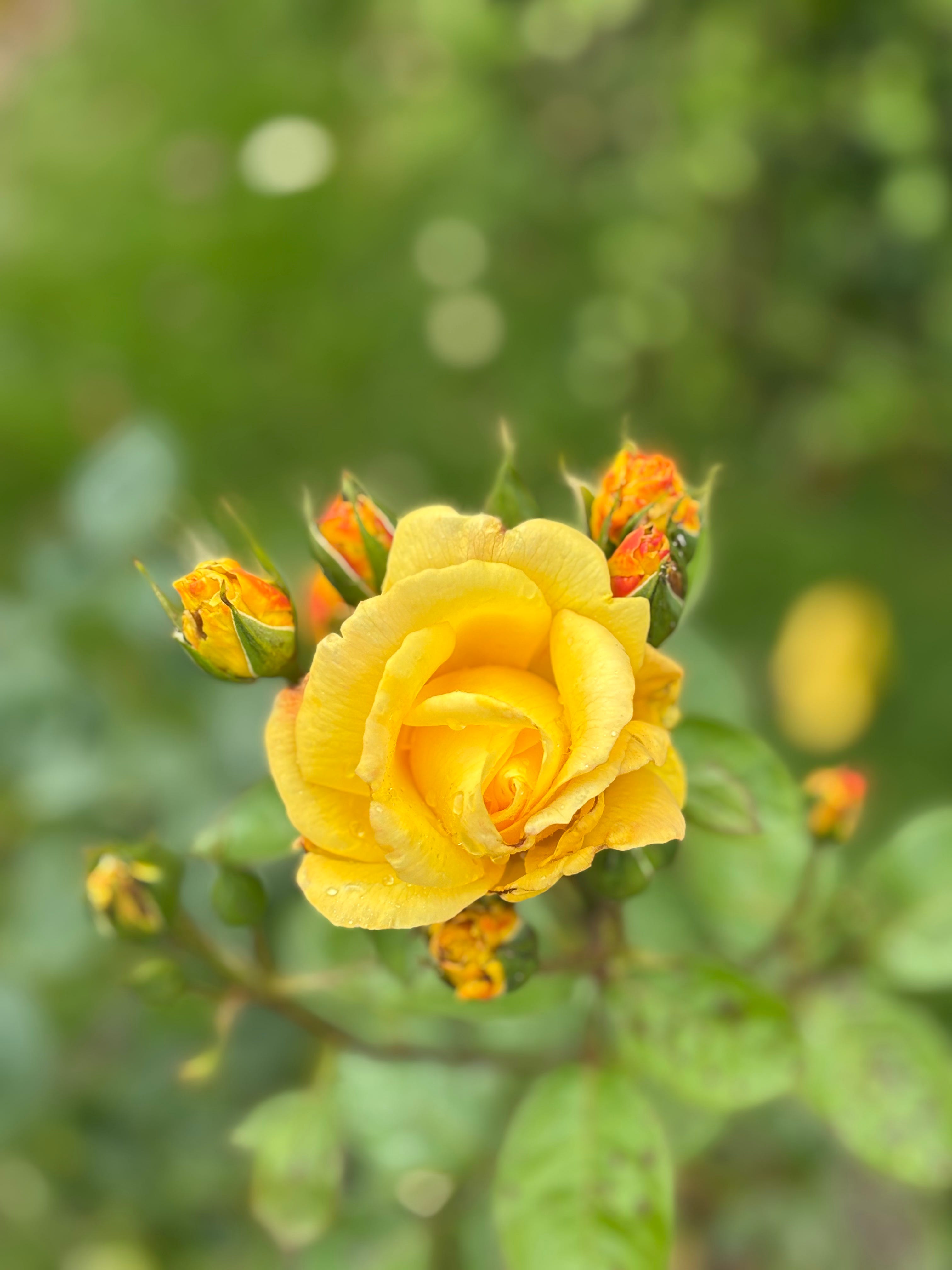
Looking closely also made me notice change.
A flower can hold more than one moment at once — what has opened, what is still becoming, and what will soon be gone. The rose was beautiful, but so were the unopened buds beside it.
I have also found myself enjoying colour more than I used to — the different colours arriving through spring and summer, and even now into autumn. I am discovering how much joy there is in simply stopping to appreciate the changing palette around me.
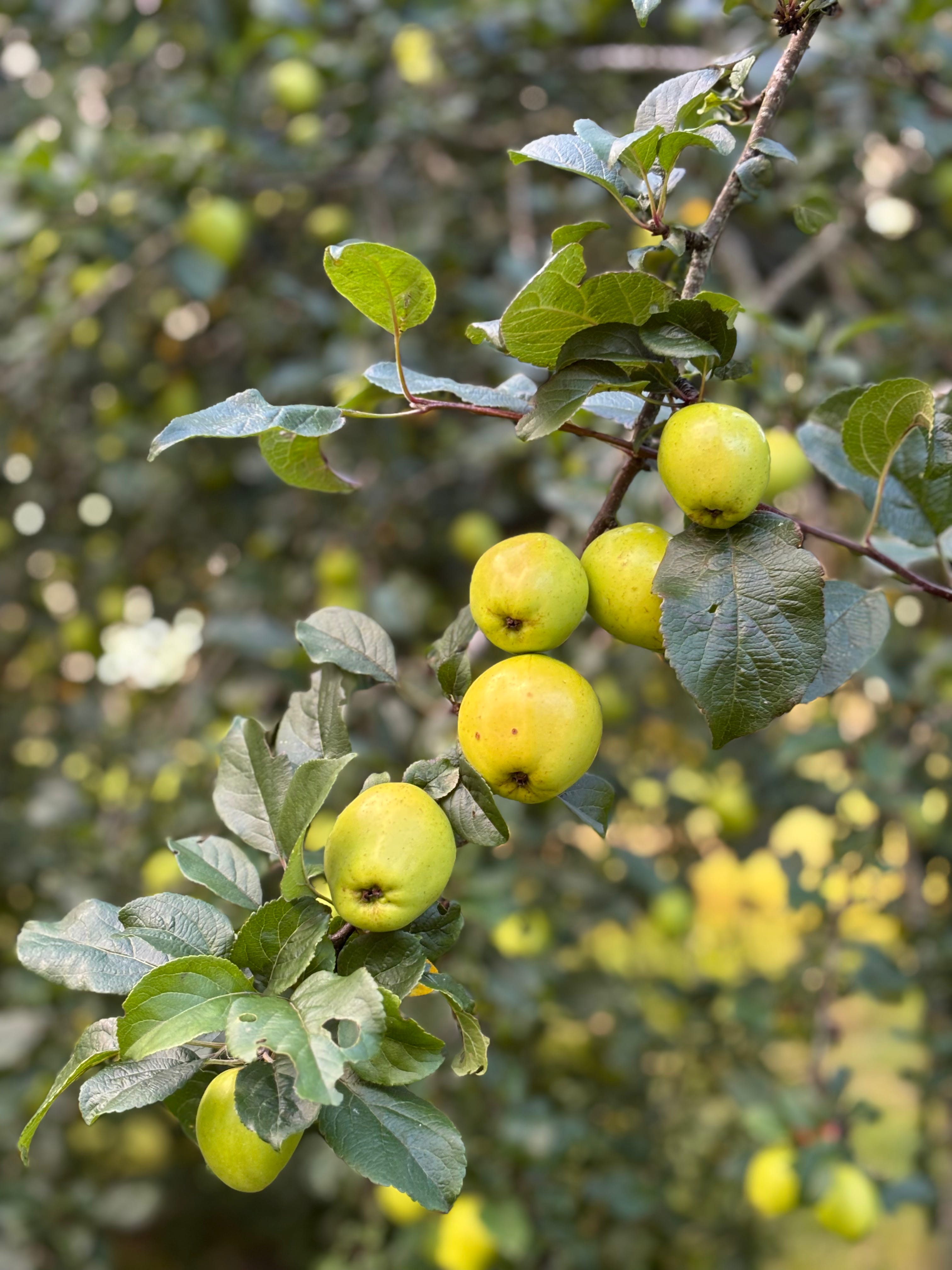
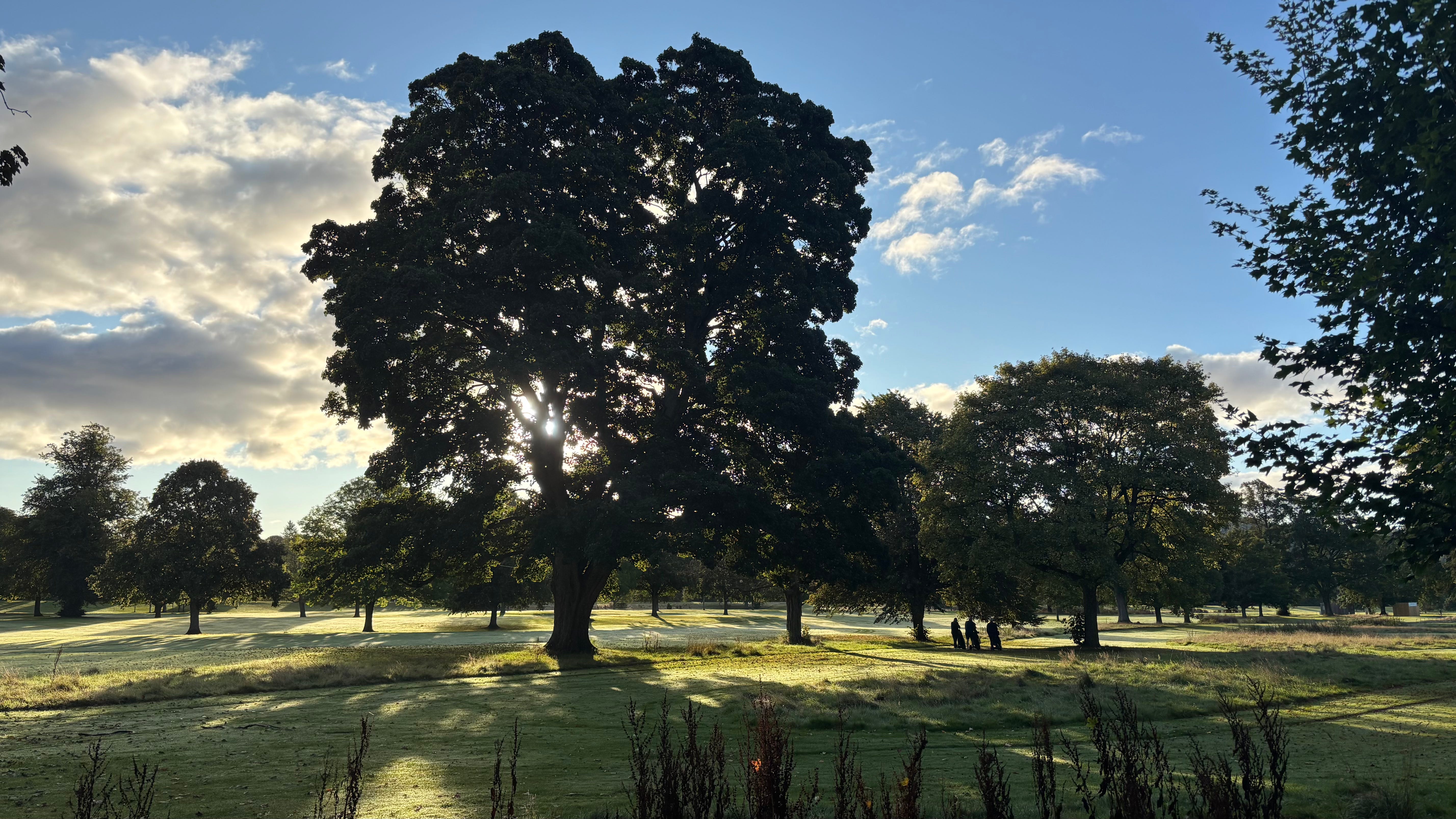
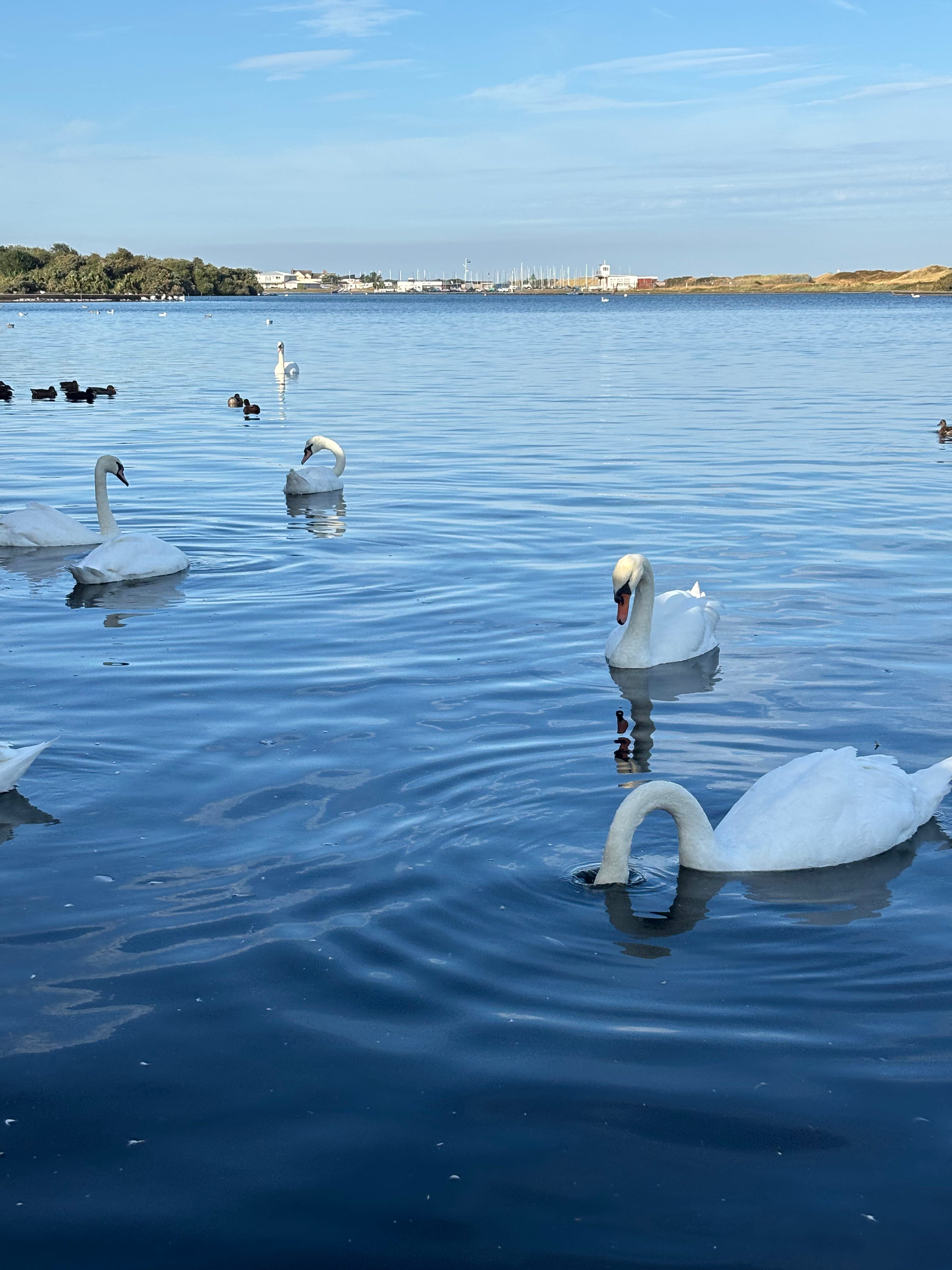
There are moments when looking closely draws me into the smallest details, and others when I simply want to take in the whole scene.
Both feel important. Attention can mean coming closer, but it can also mean standing still long enough to receive the wider view.
III · Looking Together
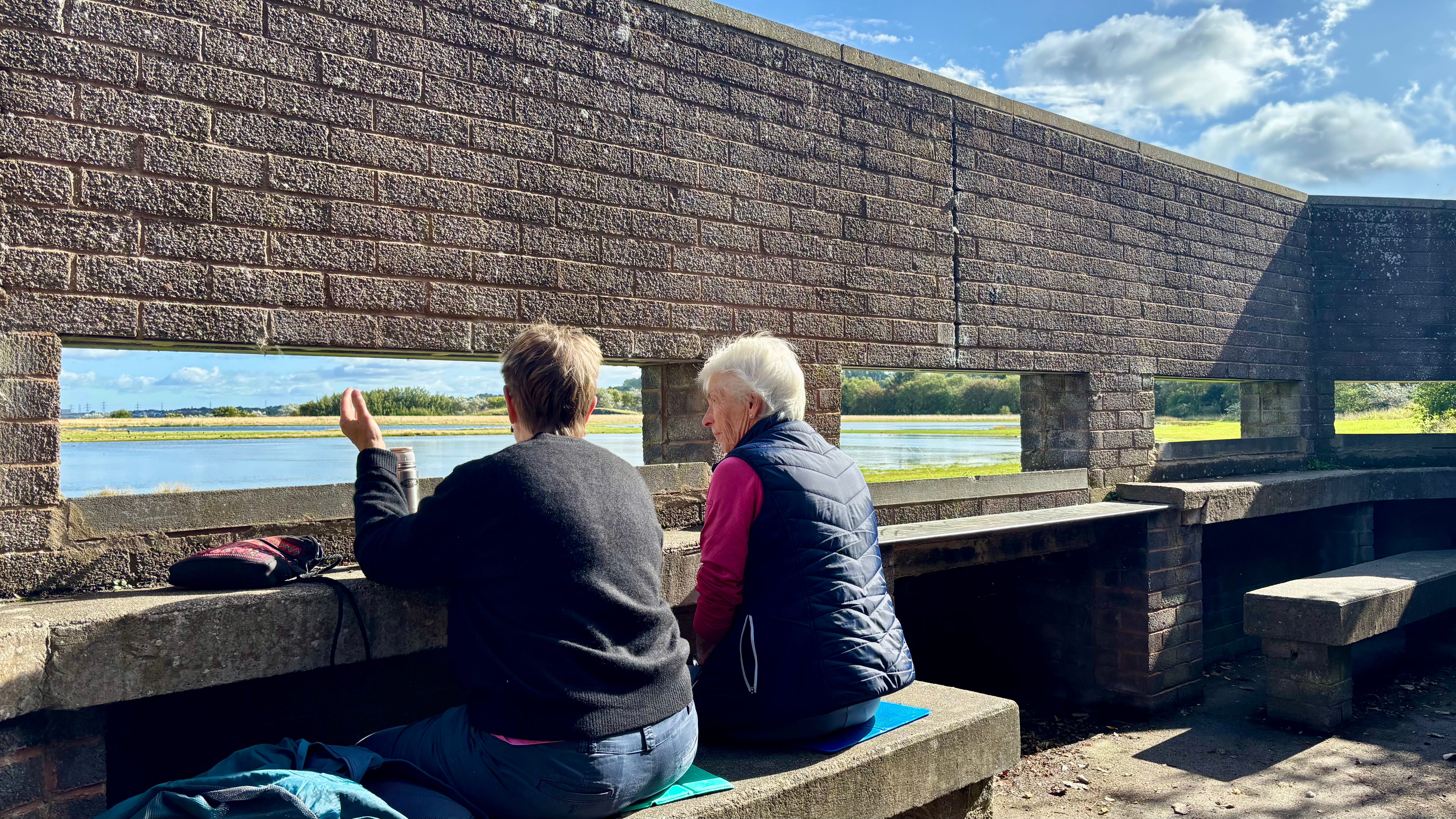
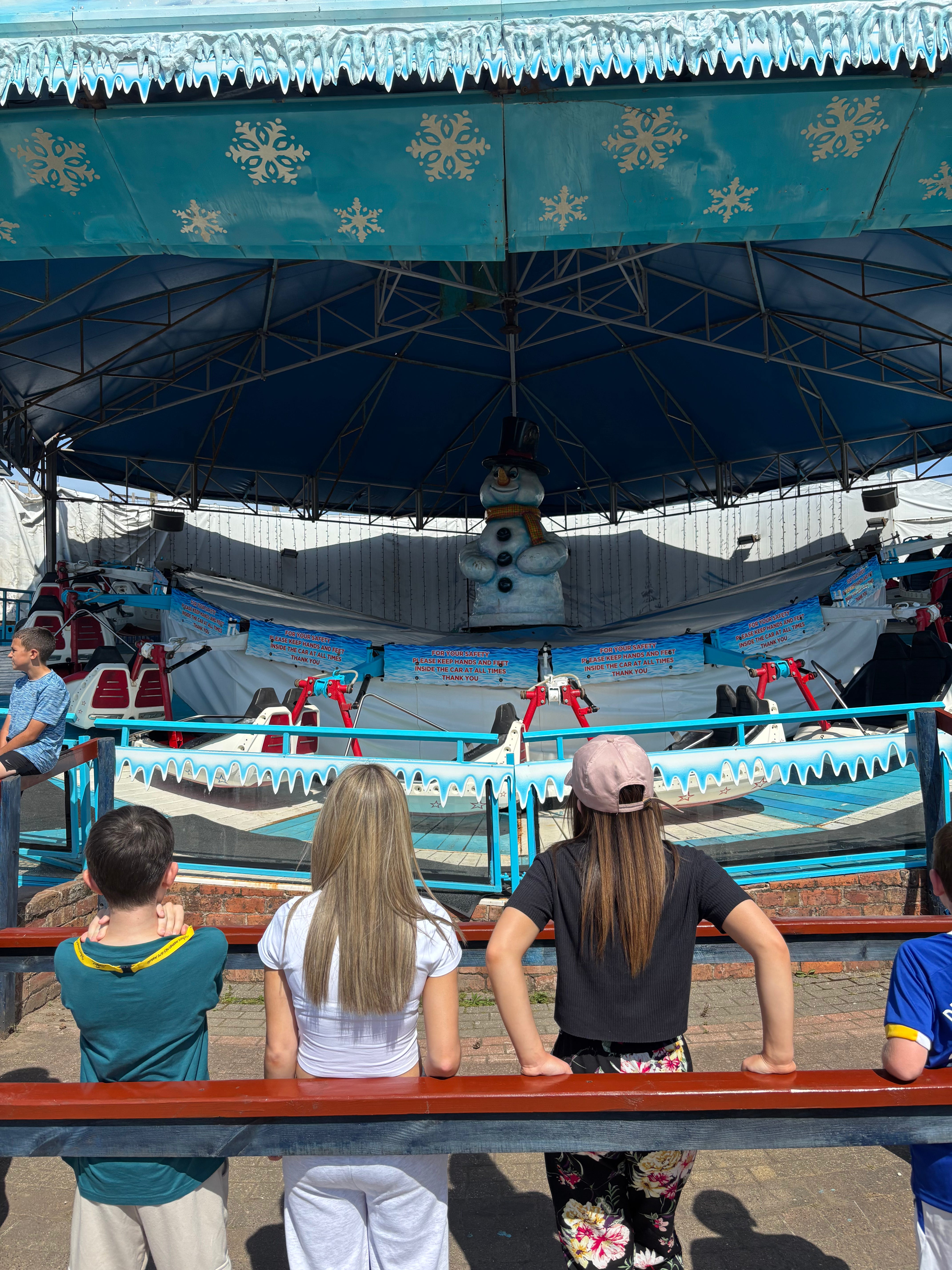
Some of the best moments of seeing are shared.
There is something different about noticing alongside someone else — looking in the same direction, pointing something out, waiting together, and enjoying what appears.
Wonder does not always need many words. Sometimes it is simply the experience of looking together.
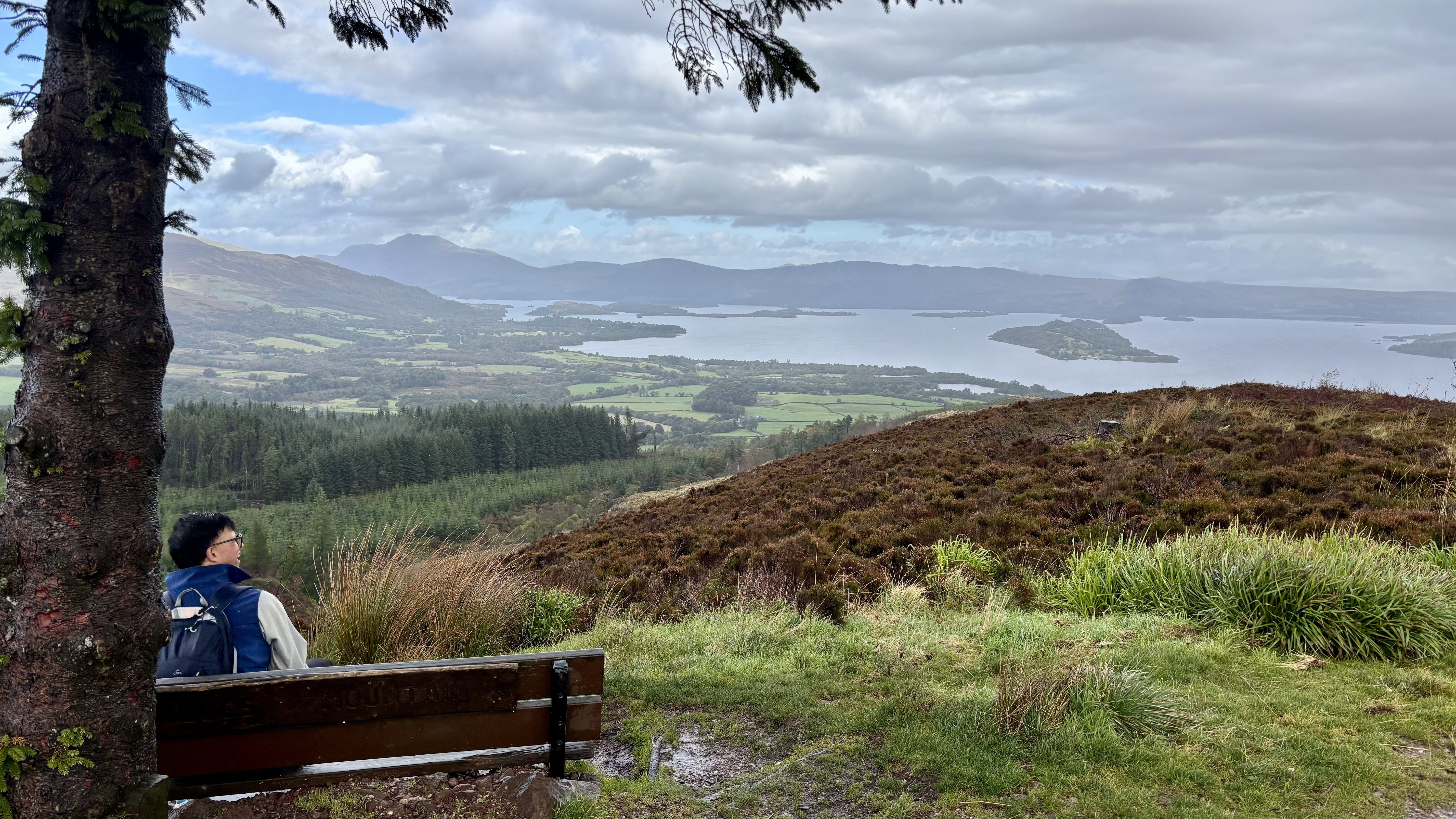
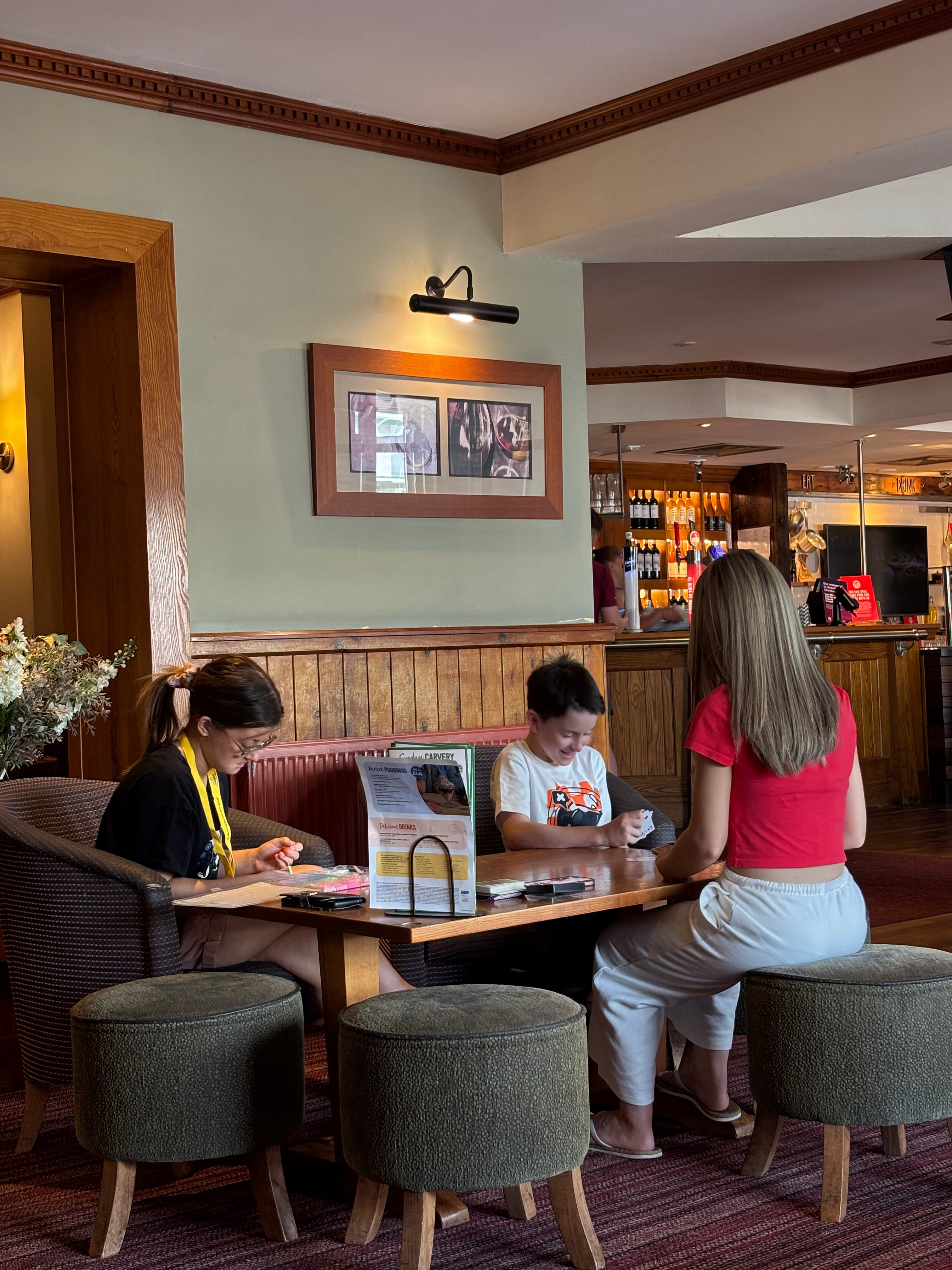
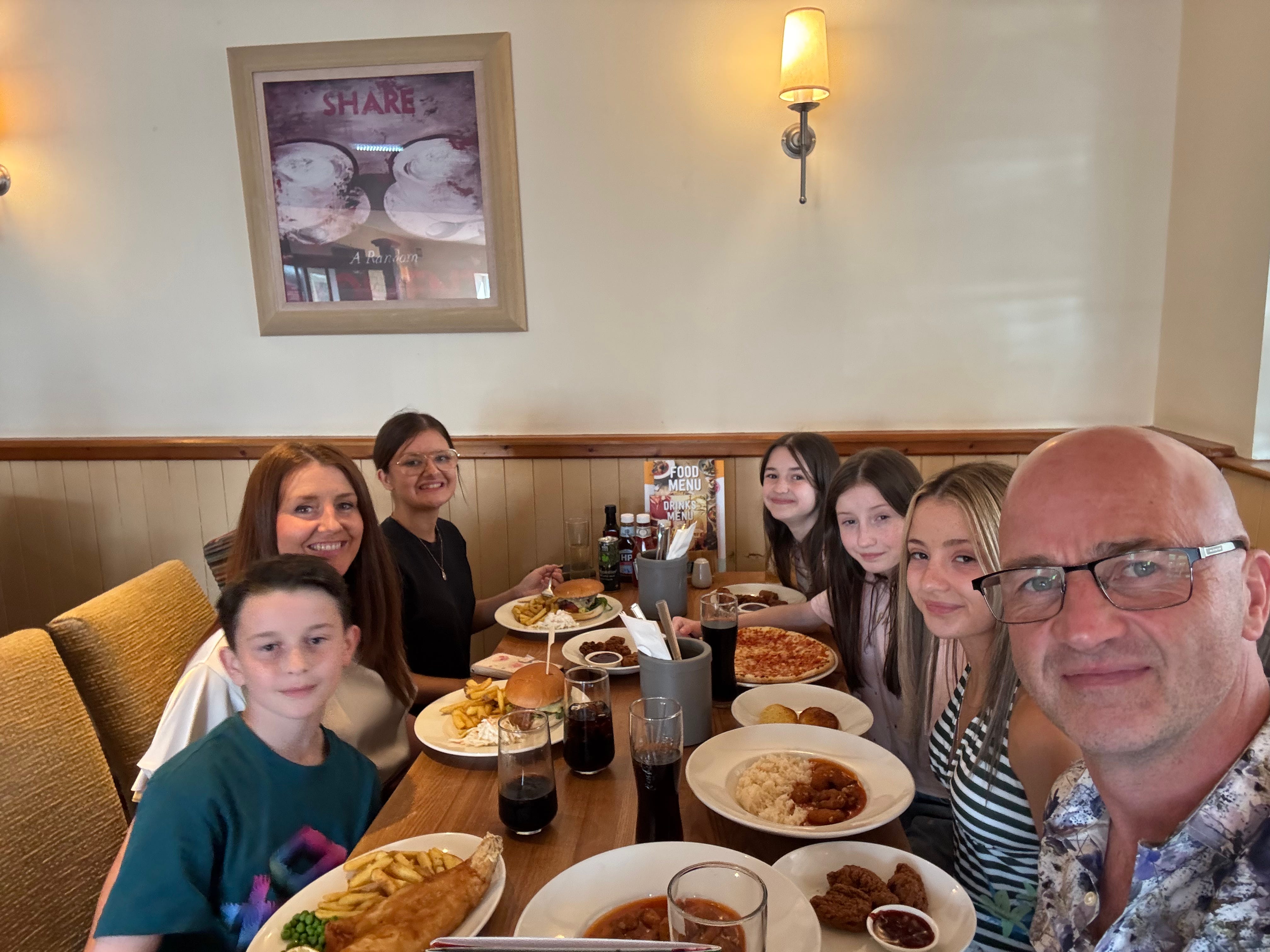
Looking together is not only about what is in front of us. Sometimes what matters most is simply being present with the people beside us.
I have become increasingly grateful for these ordinary moments — a game, a smile, time around a table. Nothing remarkable has to happen for time together to become something worth enjoying and remembering.
Looking together has another meaning for me too.
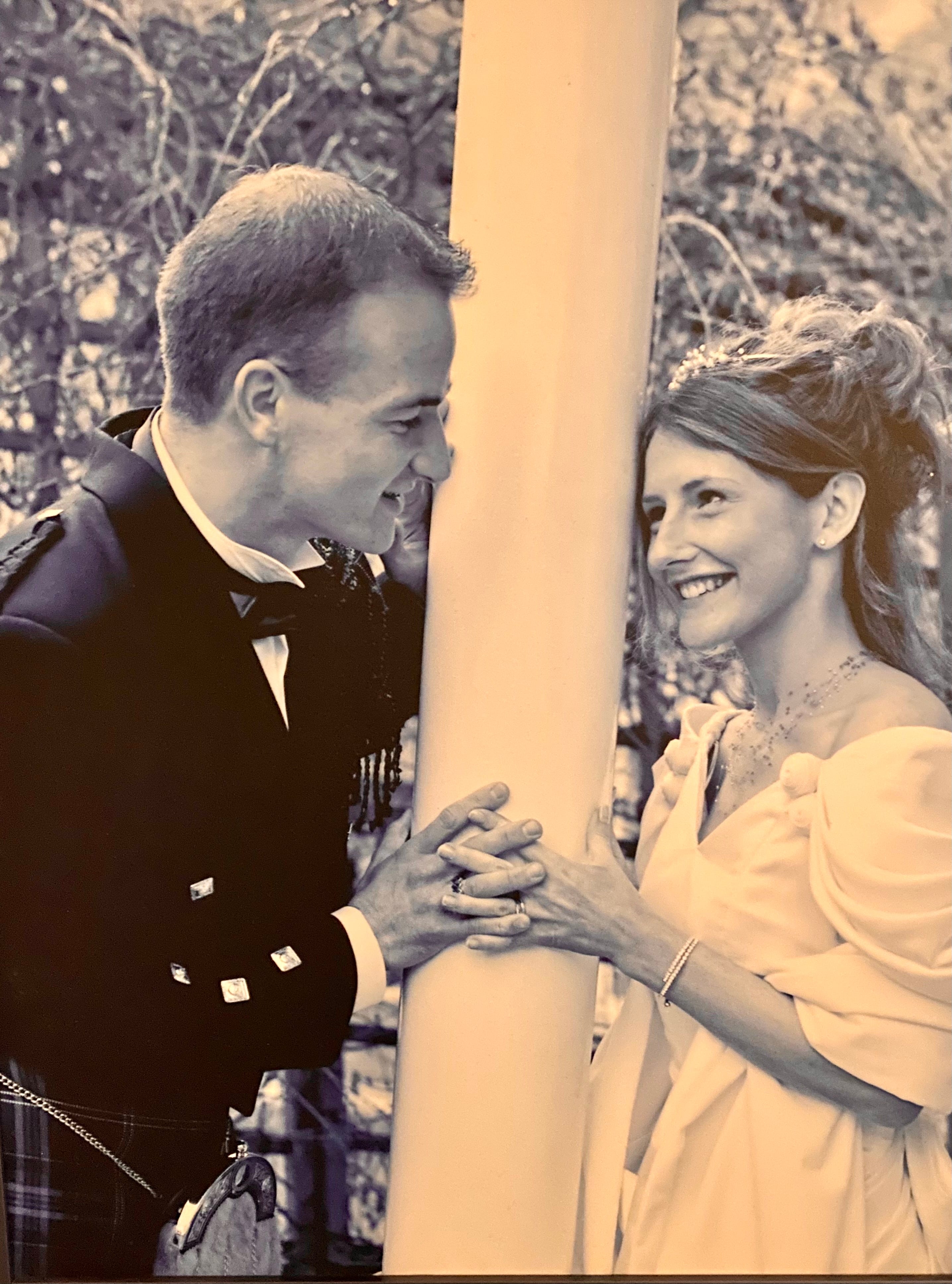
Much of the ordinary life I now treasure has grown from the best decision I have ever made — choosing to share my life with Lynsey.
And, in a way, it began with noticing. I still remember first meeting her at a youth meeting in the Lemonade Factory and being struck by her radiance — her beautiful smile, warmth, friendliness and sense of fun. I could never have imagined then how much life would grow from that first moment.
Years later, I can see how many of the moments in these photographs — family meals, days out, laughter and traditions — have grown from that beginning.
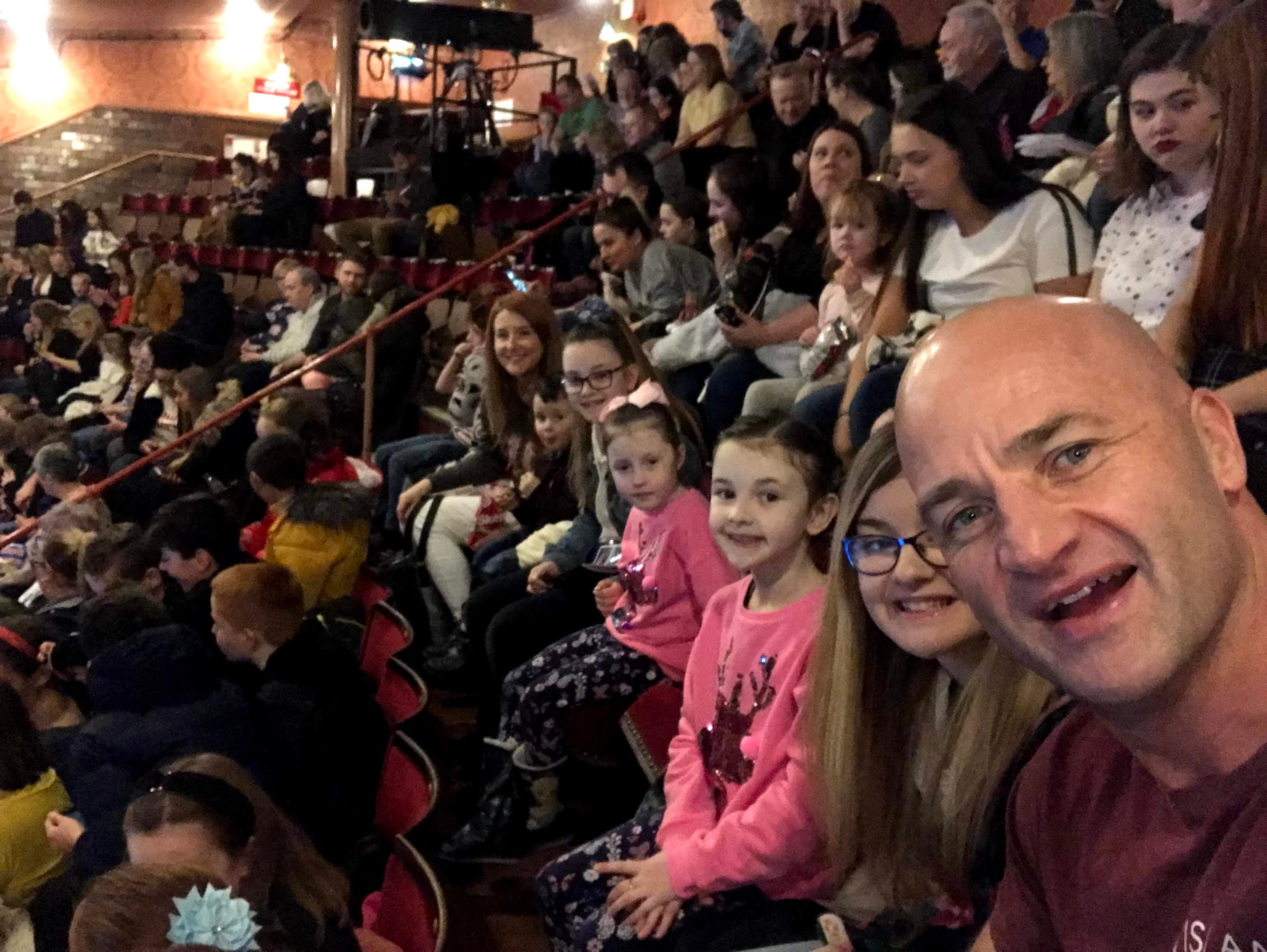
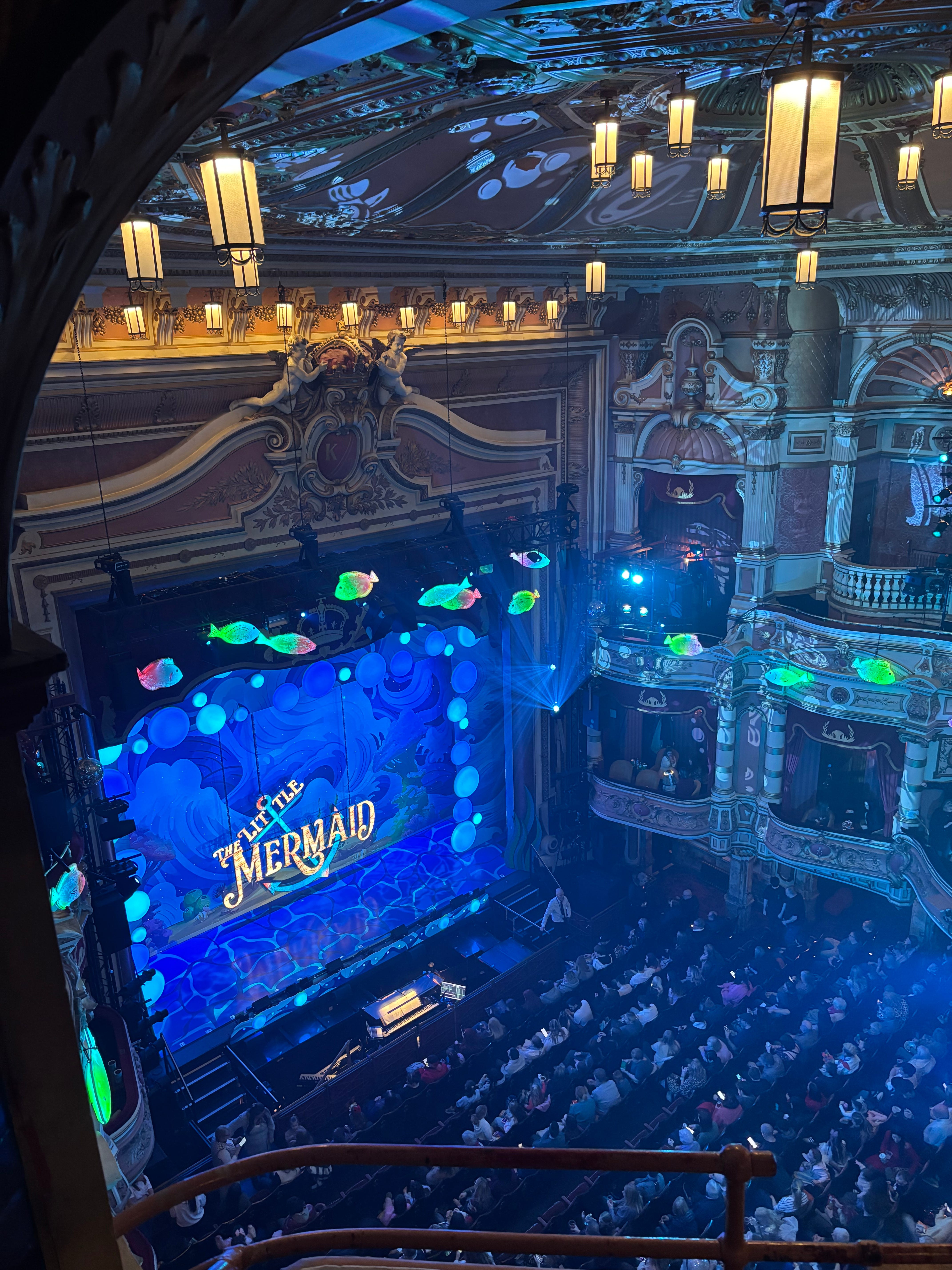
Some memories stay with us because of what we do together.
For years, going to the pantomime around my birthday became a family tradition. There was something special about returning to it — the theatre, the laughter, the shared experience, and the simple enjoyment of being there together.
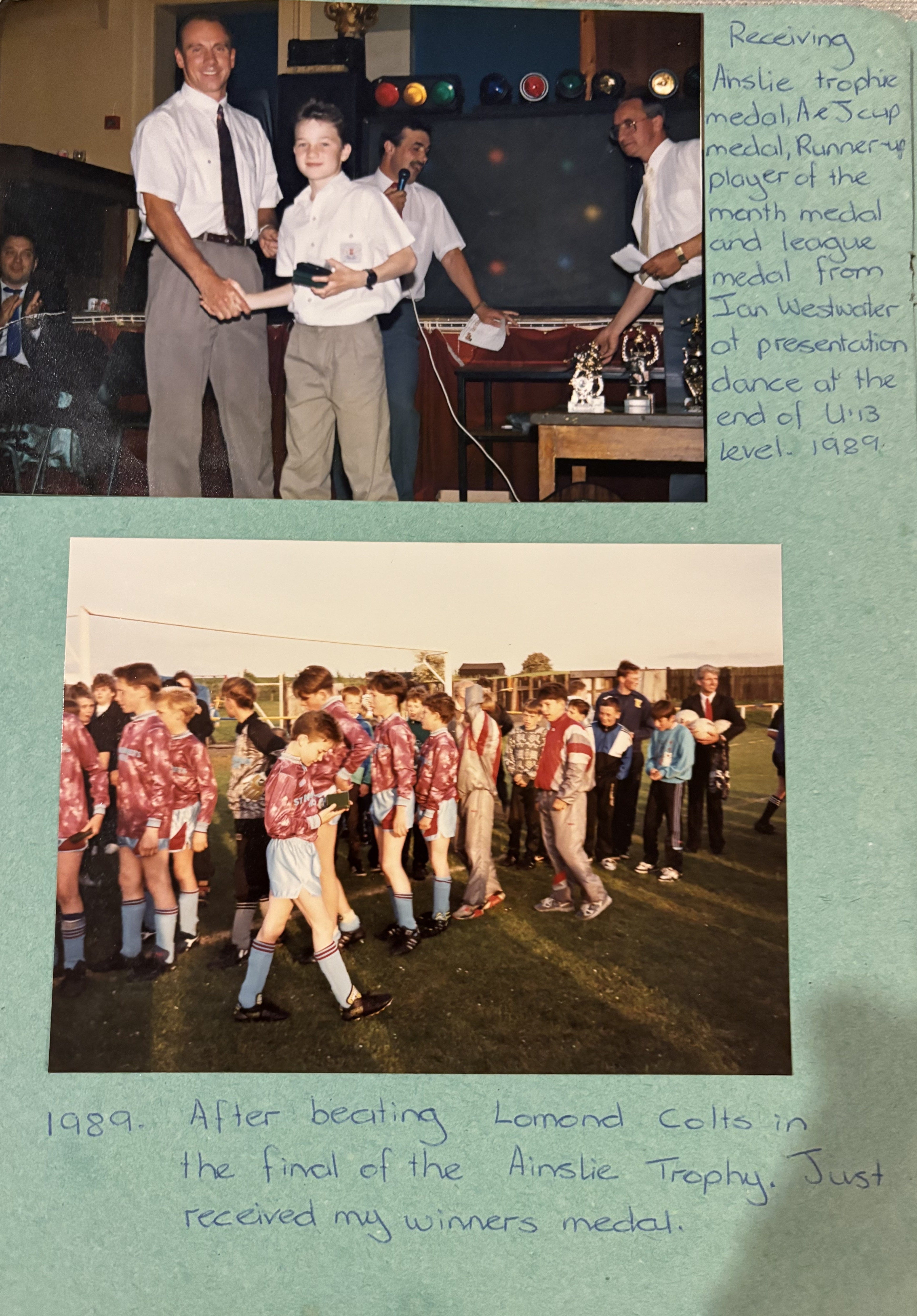
Some memories survive because something was kept.
This scrapbook page takes me back to football, to being around thirteen, and to a cup final at Hill of Beath Park. What stayed with me most from that day was not only the result, but Dad seeing something in me that I was struggling to see for myself.
Photographs, handwriting and old clippings can become small doorways back into moments we might otherwise lose.
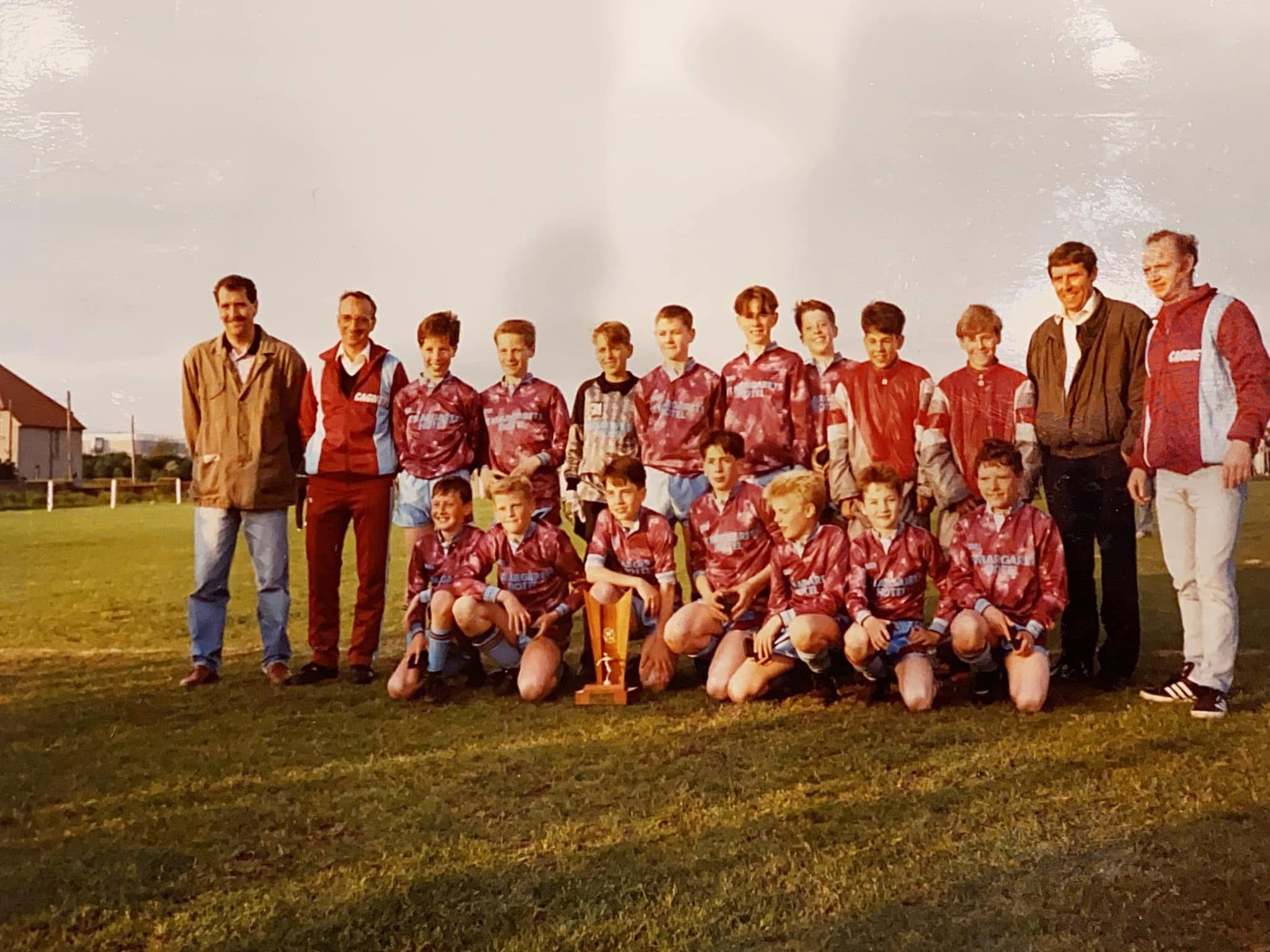
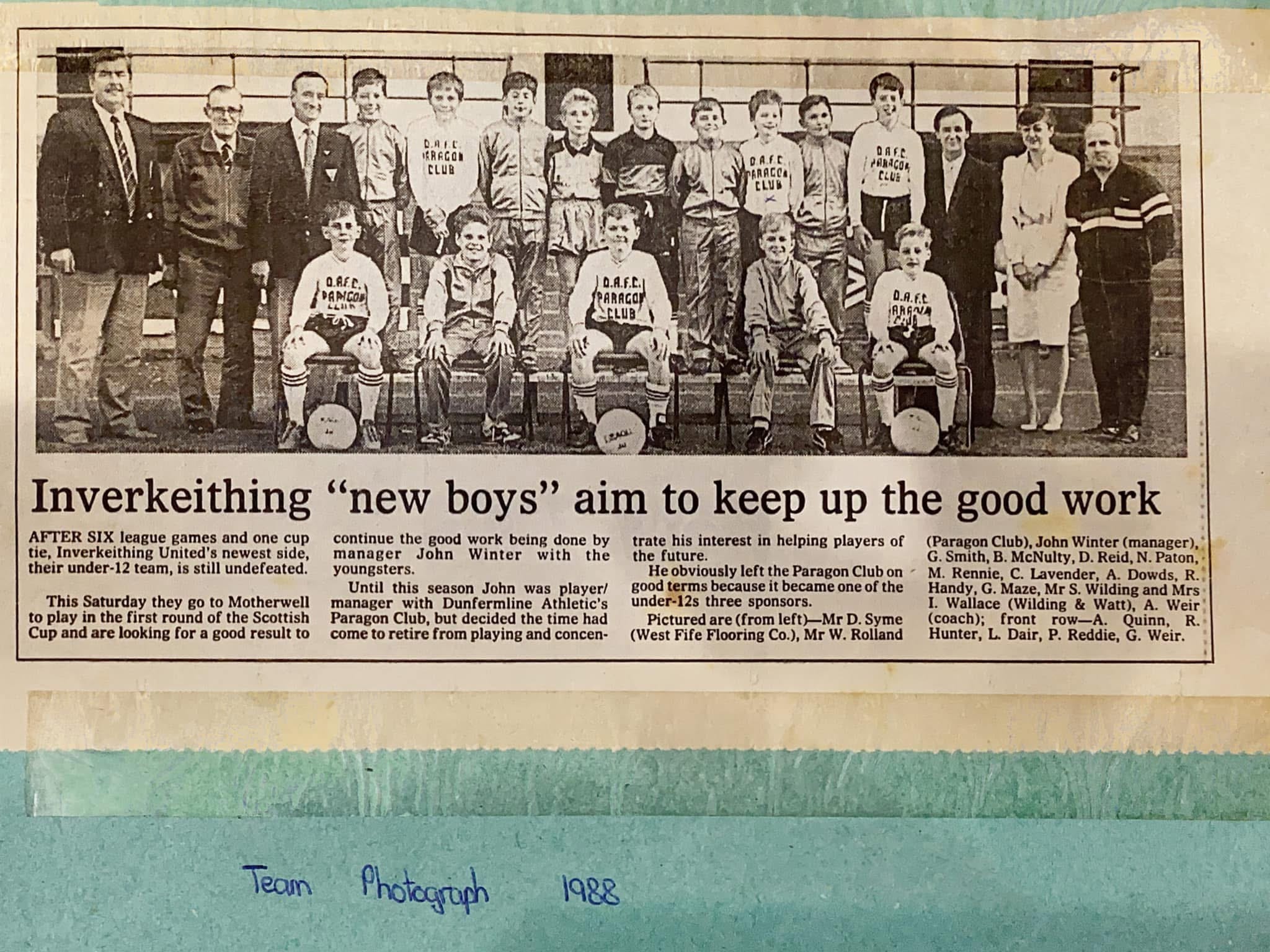
Looking back through these photographs, I am reminded that so much of what I treasure has been shared with other people — looking together, laughing together, eating together, playing together, and sometimes being helped to see something in myself that I could not yet see.
IV · Seeing What Might Be.
Sometimes seeing clearly means appreciating what is already there.
At other times, it means beginning to imagine what might be possible.
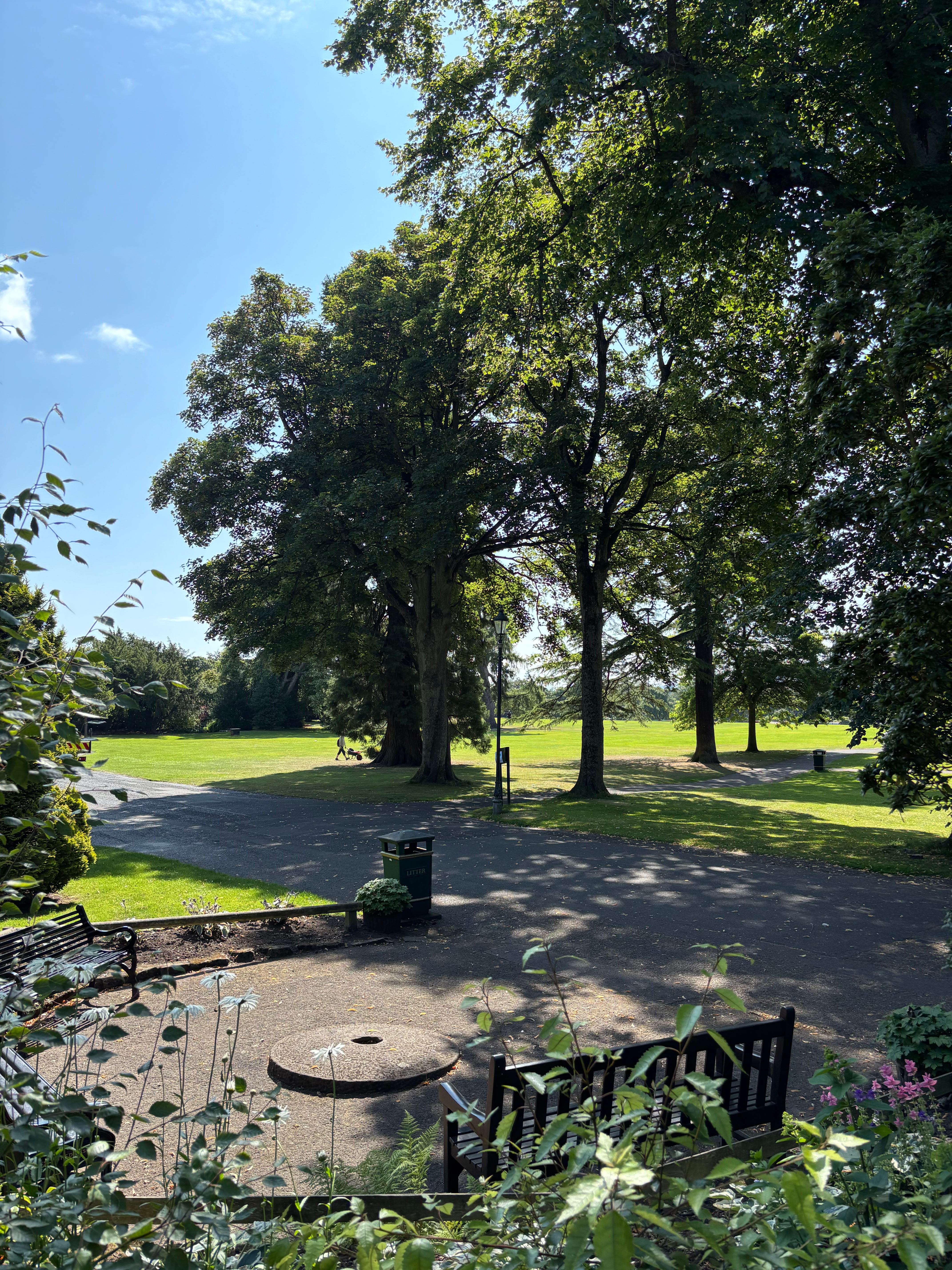
Pittencrieff Park has become one of the places that keeps bringing me back to that thought. Someone once looked at this ground and imagined not only what it was, but what it could become for other people.
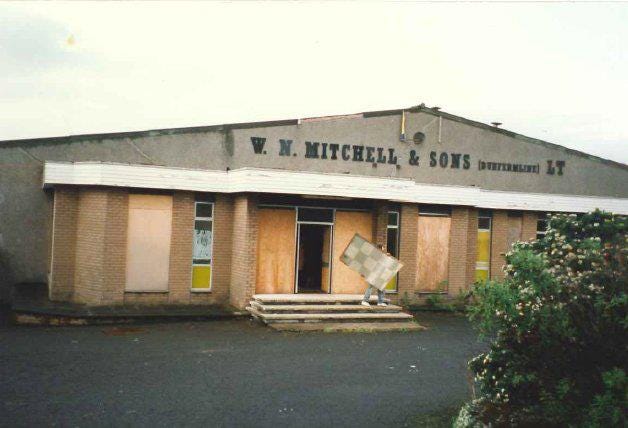
Seeing what might be is harder when what is in front of us looks finished, neglected or beyond use.
This was the Lemonade Factory before it became the Vine. Boarded up and derelict, it would have been easy to see only what was wrong with it. But Dad and the team who bought it saw more than an old building. They began to imagine what it might become.
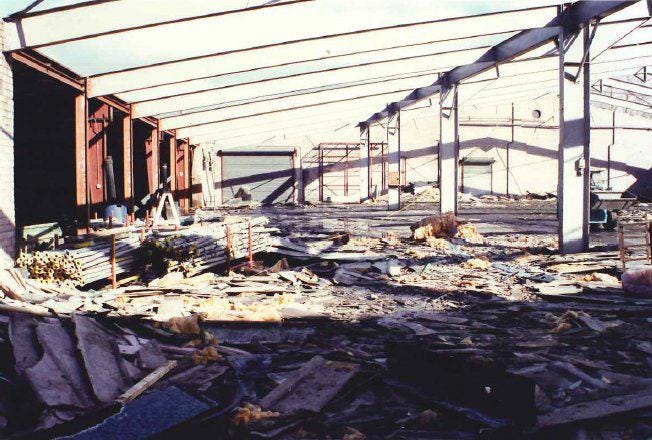
Inside, the scale of what lay ahead became much clearer.
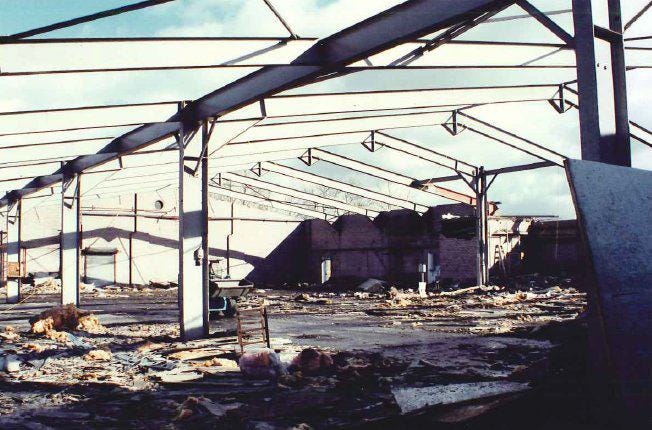
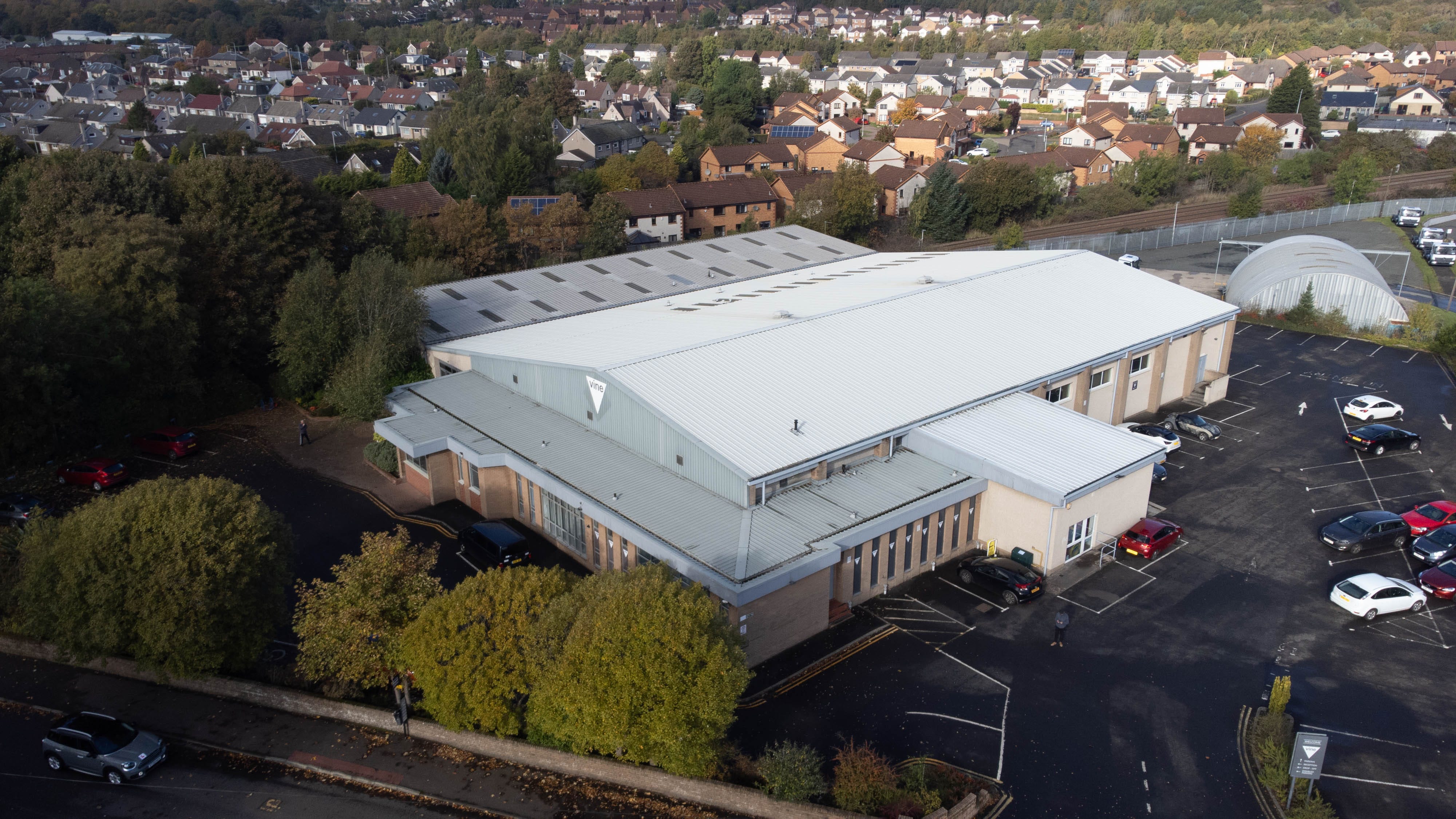
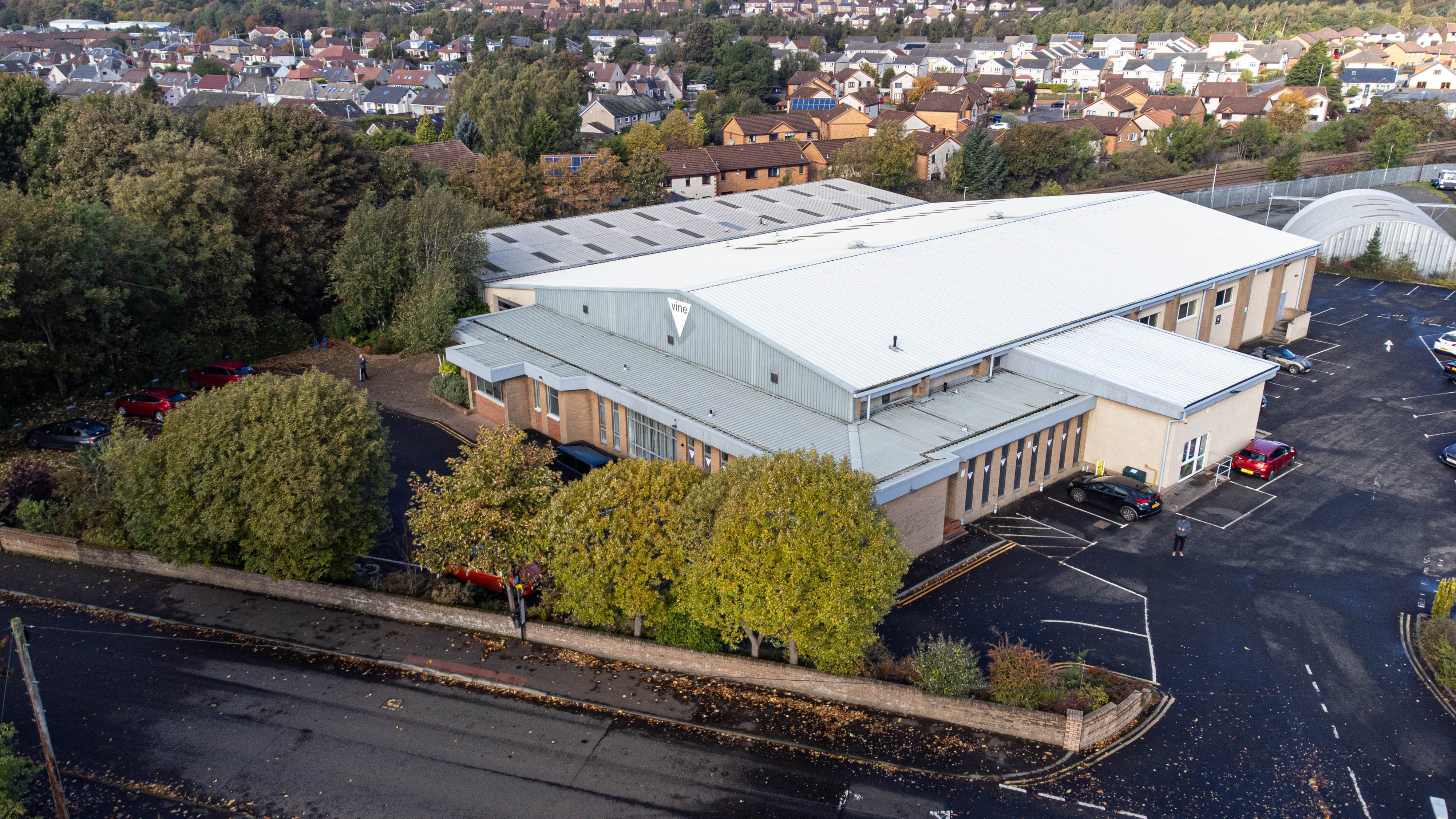
What had once been boarded up and derelict became a place people could enter, use and enjoy.
For many years it became a place of worship for Vine Church, but its life extended far beyond Sunday services. There were youth nights, ceilidhs, celebrations and community gatherings. The Vine Conference Centre also became a contemporary venue for conferences and events.
The same building could hold worship one day, dancing and laughter another, and a completely different kind of event the next.
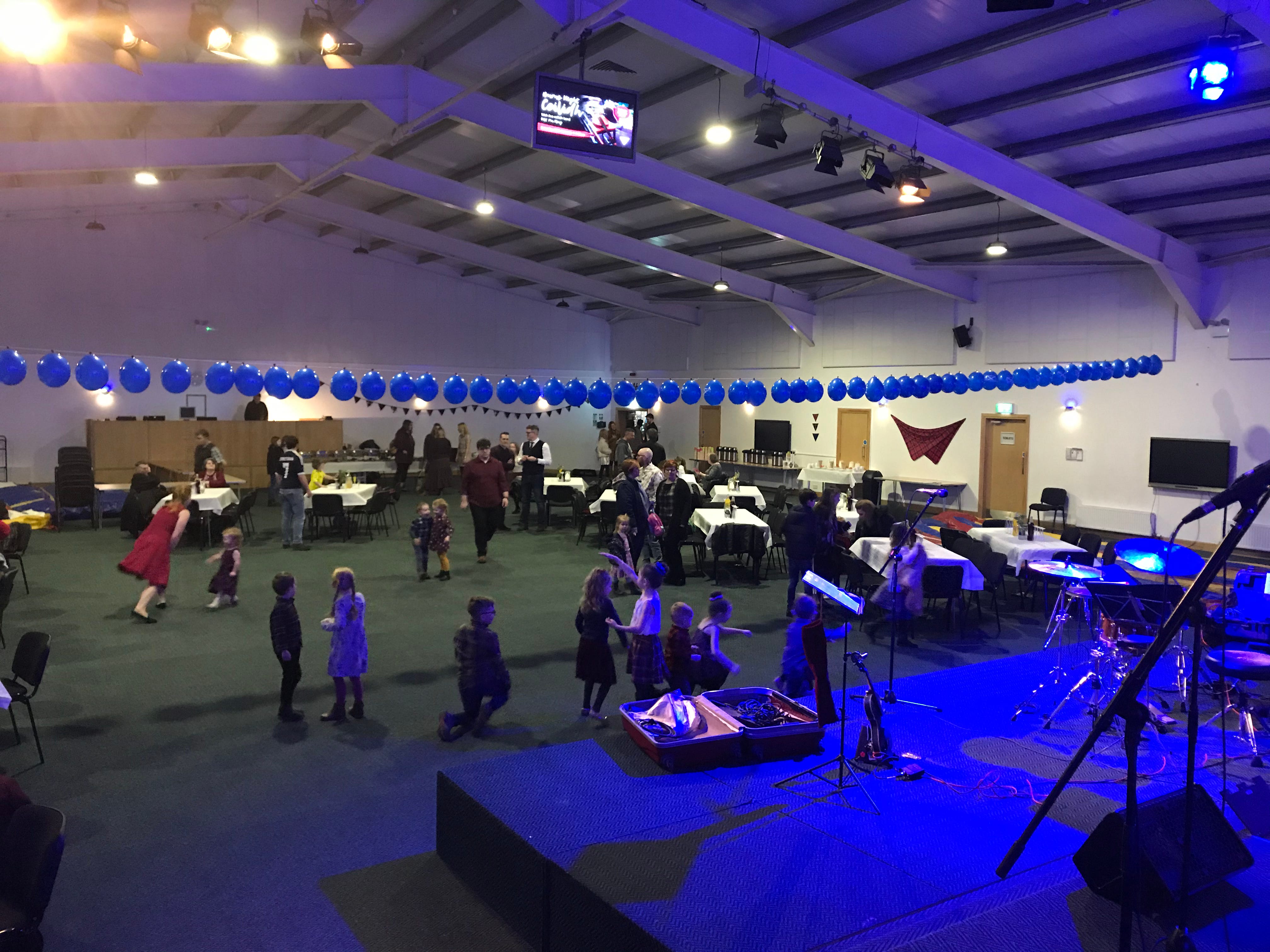
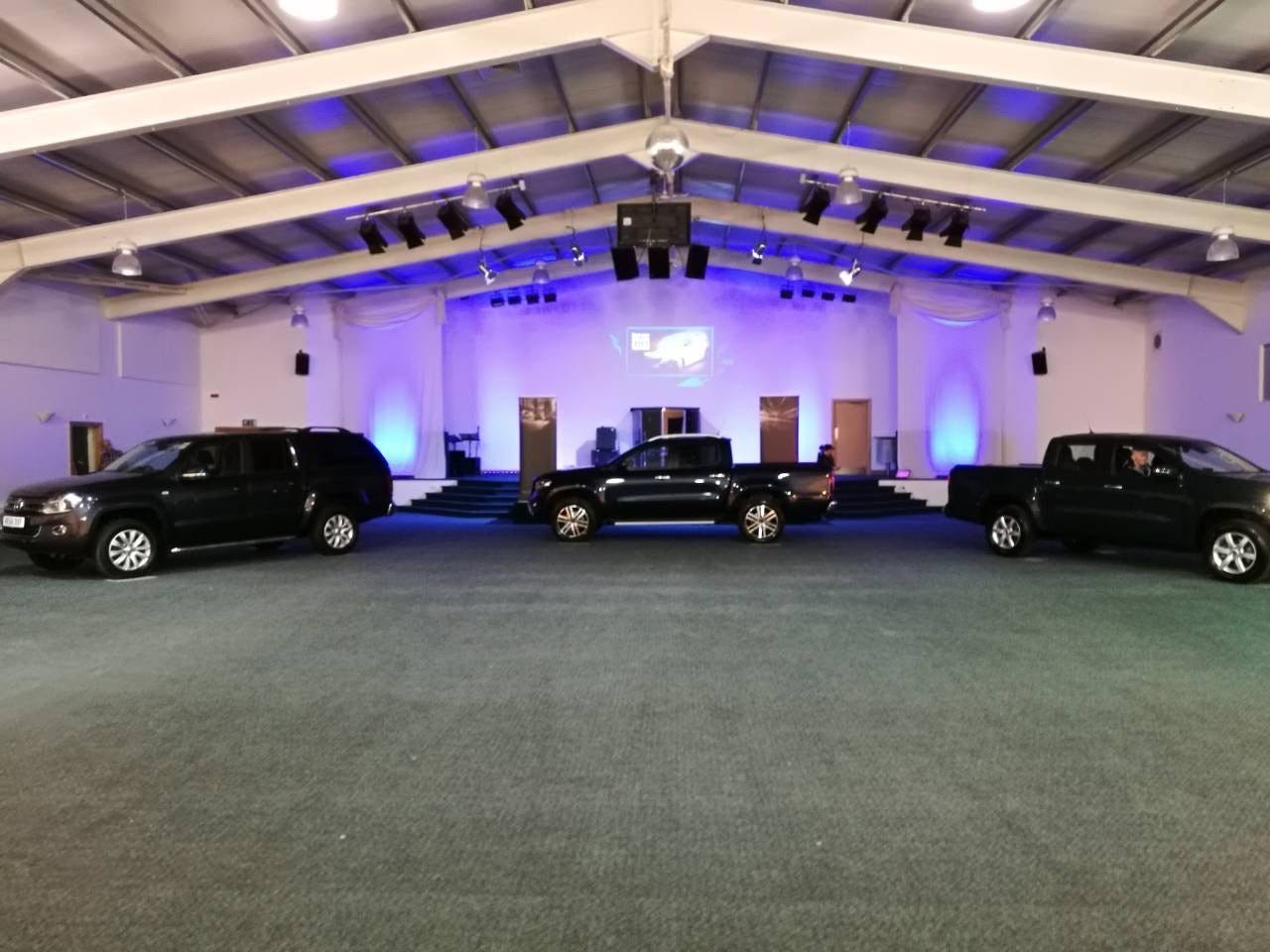
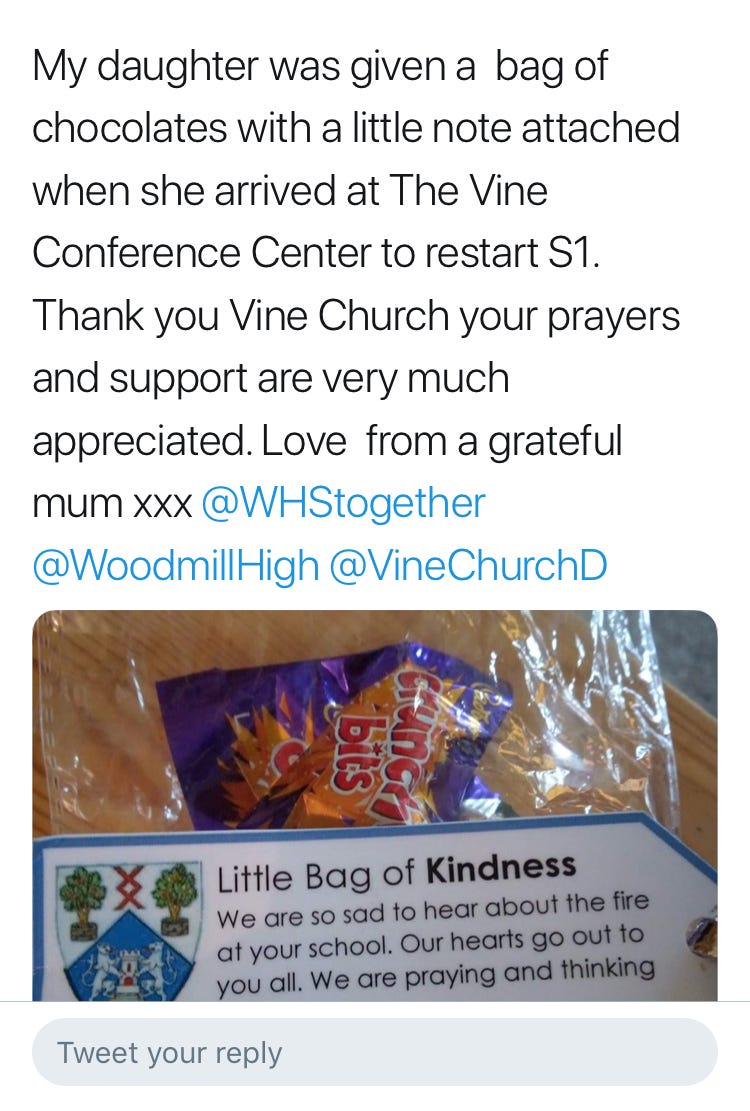
And the possibilities did not end there. After a devastating fire at Woodmill High School in August 2019, pupils had to be moved into temporary accommodation across Dunfermline. The Vine became one of those places, providing space for first-year pupils to continue learning together.
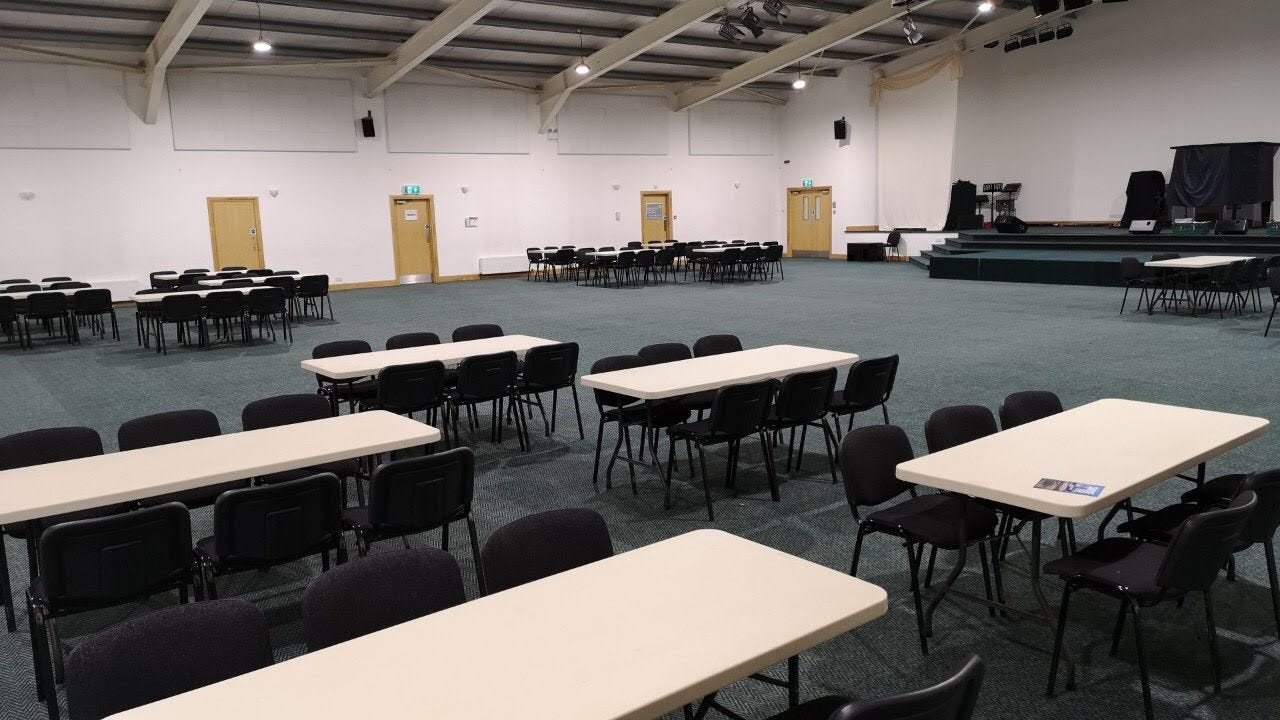
What mattered most was not simply that there was a room available.
It was that young people arriving after such a disruptive event could still be welcomed, cared for and helped to begin well.
V · A Vision People Could Enter
Some visions become buildings. Others become gatherings.
Frenzy began as an idea, but over time it became something people could actually travel towards, walk into and become part of. The hope was never simply to put on an event. It was to create a place where young people could worship, laugh, play, meet one another and enjoy being together.
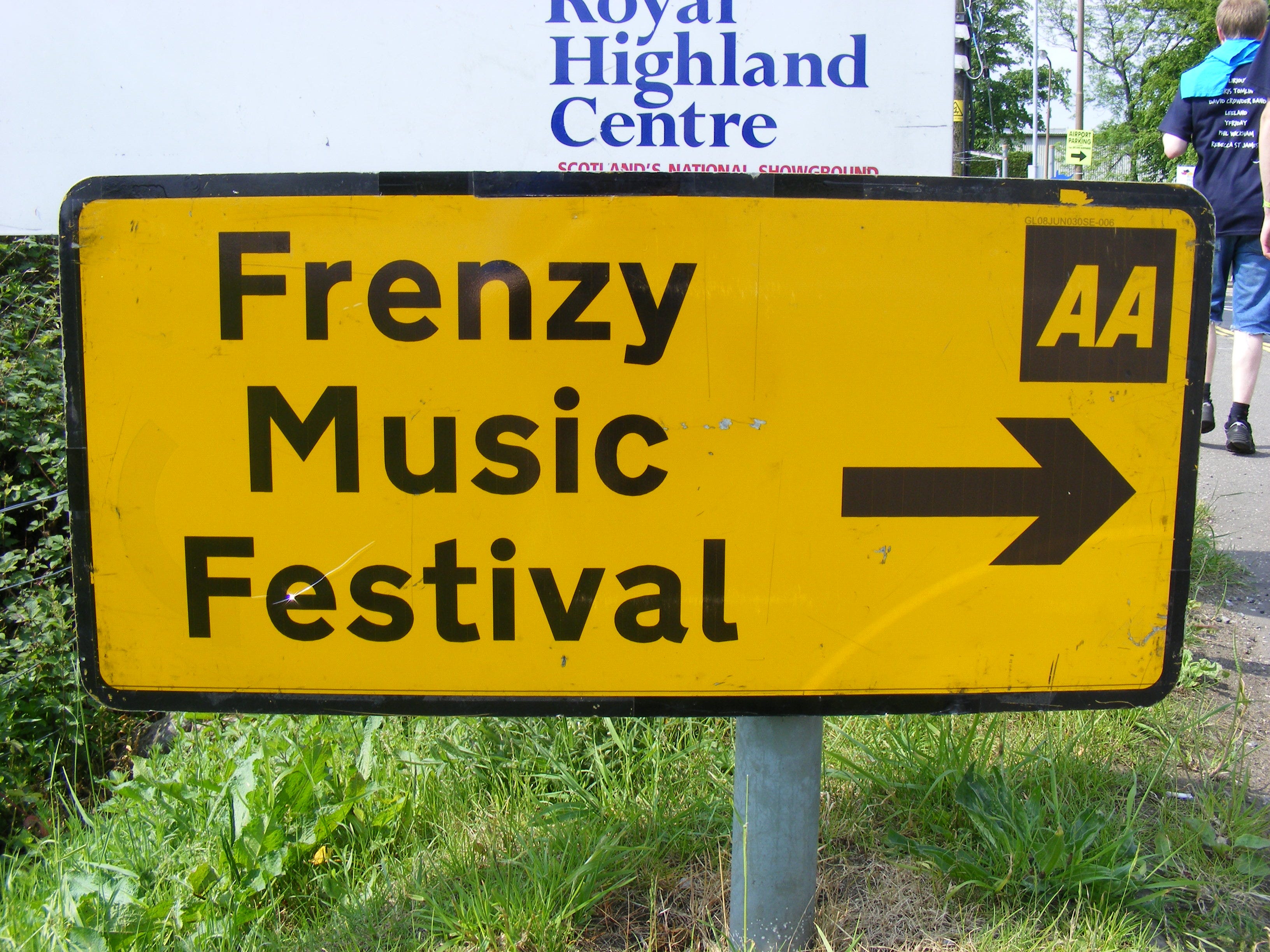
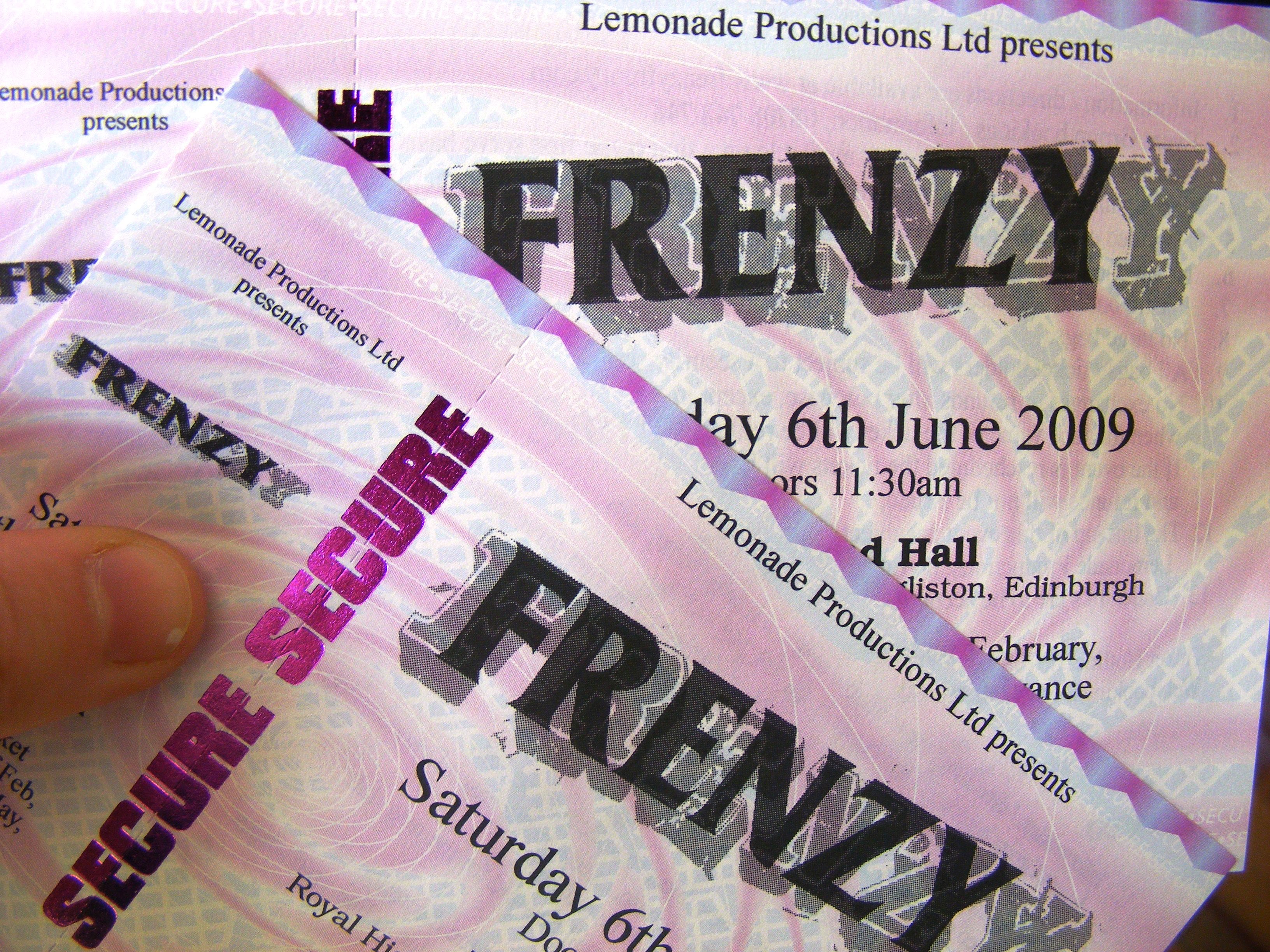
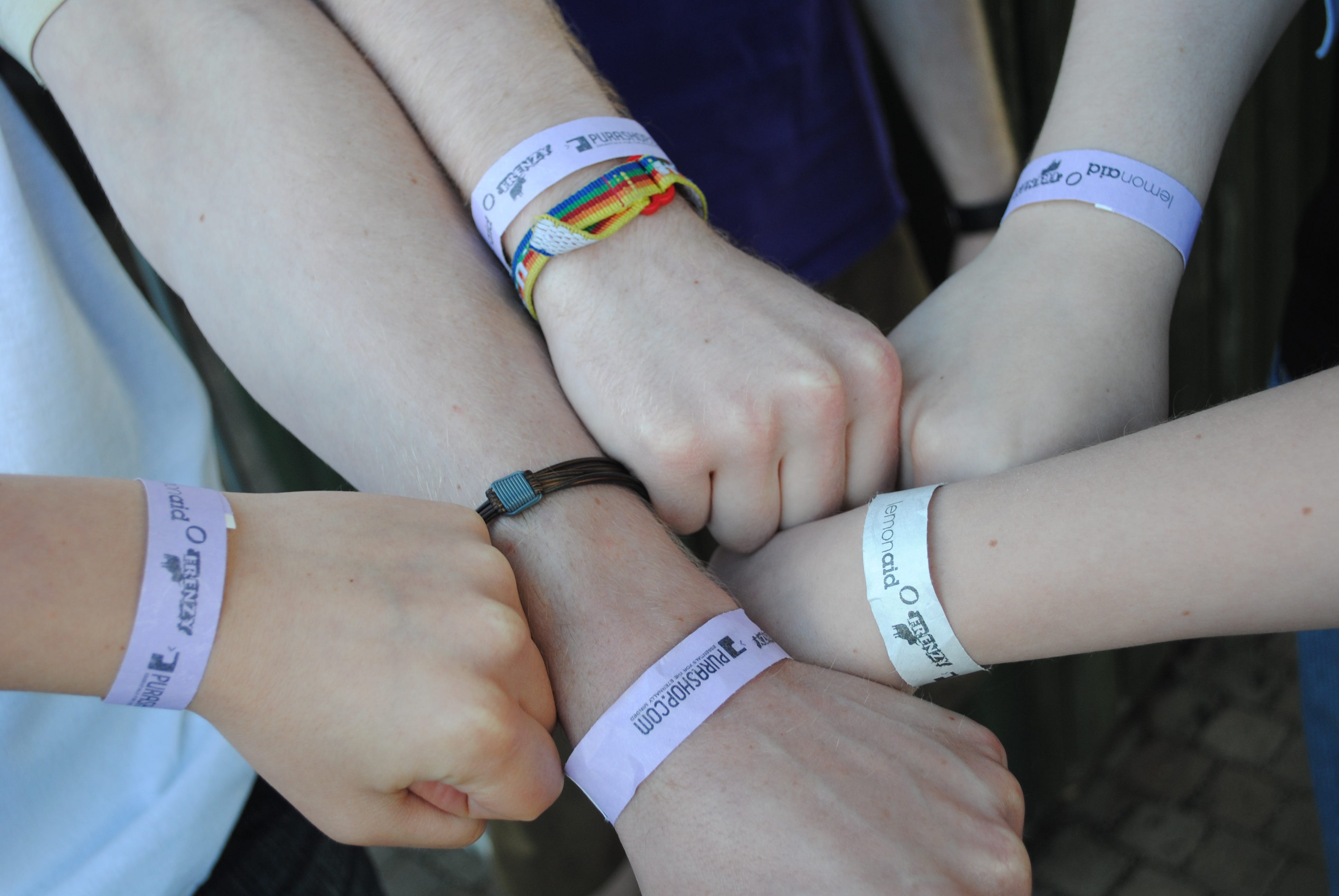
The signs, tickets and wristbands were only the beginning. What gave Frenzy its life were the people who came.
Seeing these old photographs again reminds me that the vision was never really the event itself. It was creating a place where people could gather, belong, worship, enjoy themselves and share something together.
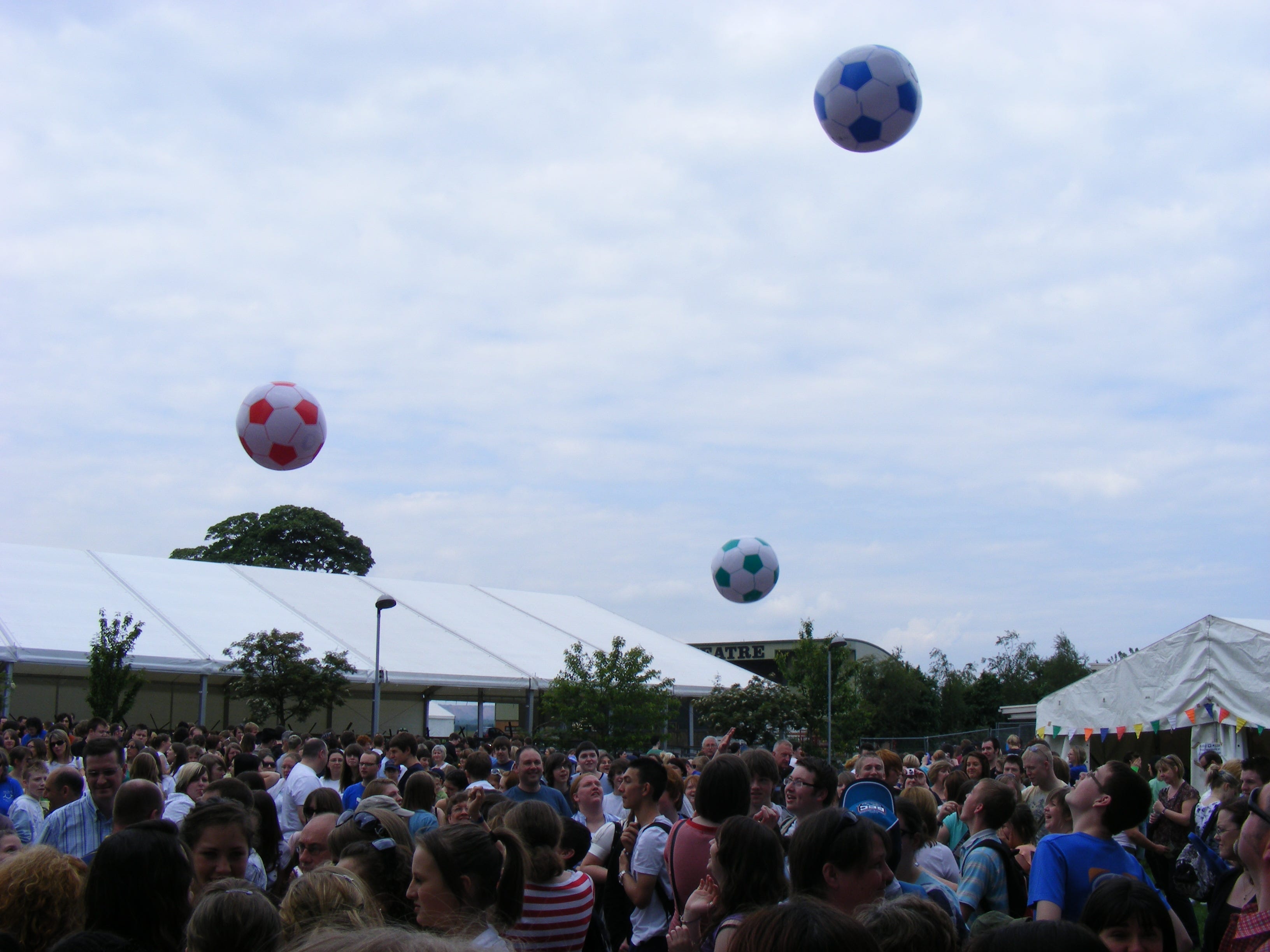
At its best, Frenzy was never only something to attend. It was something to enter into together.
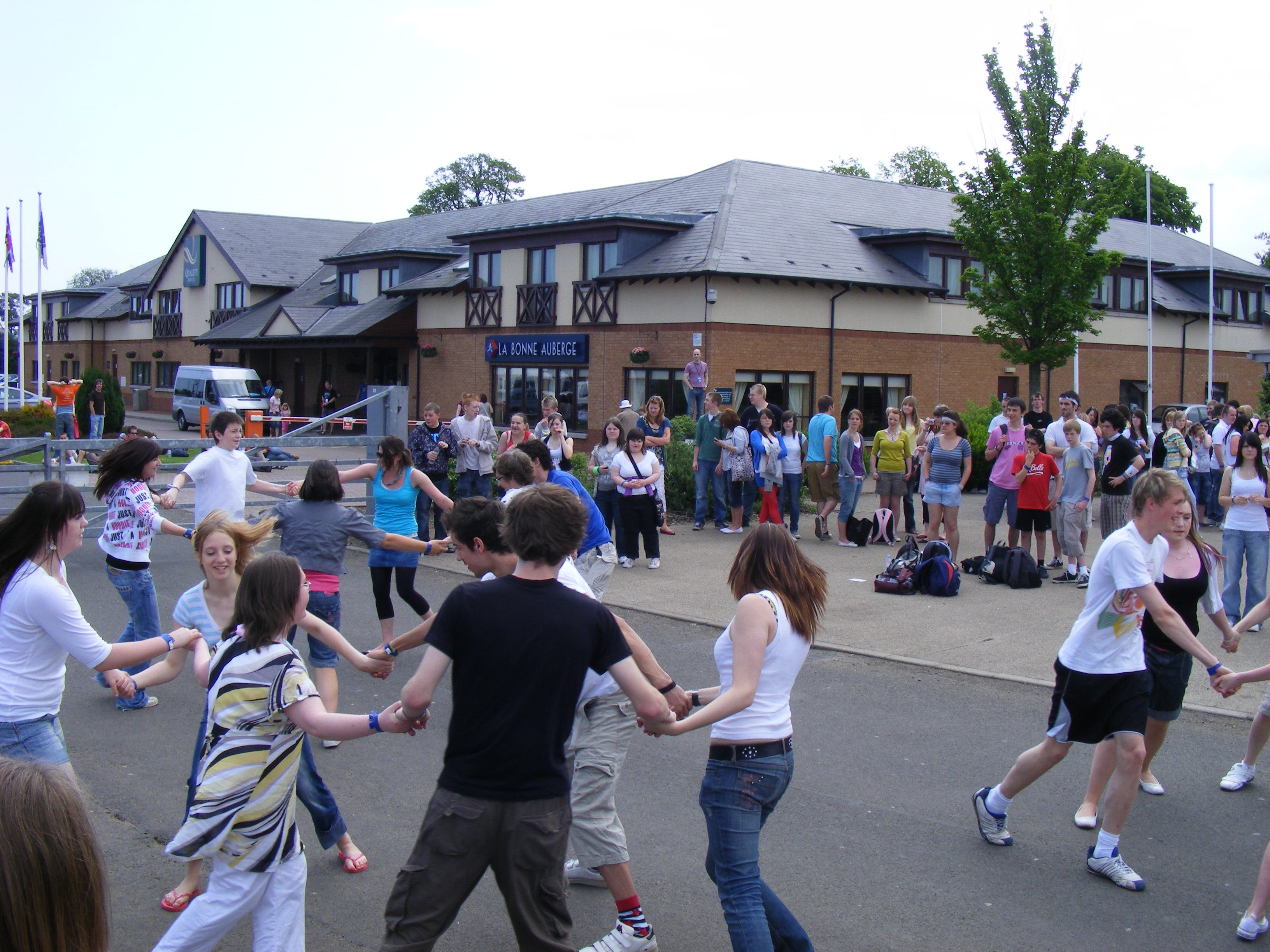
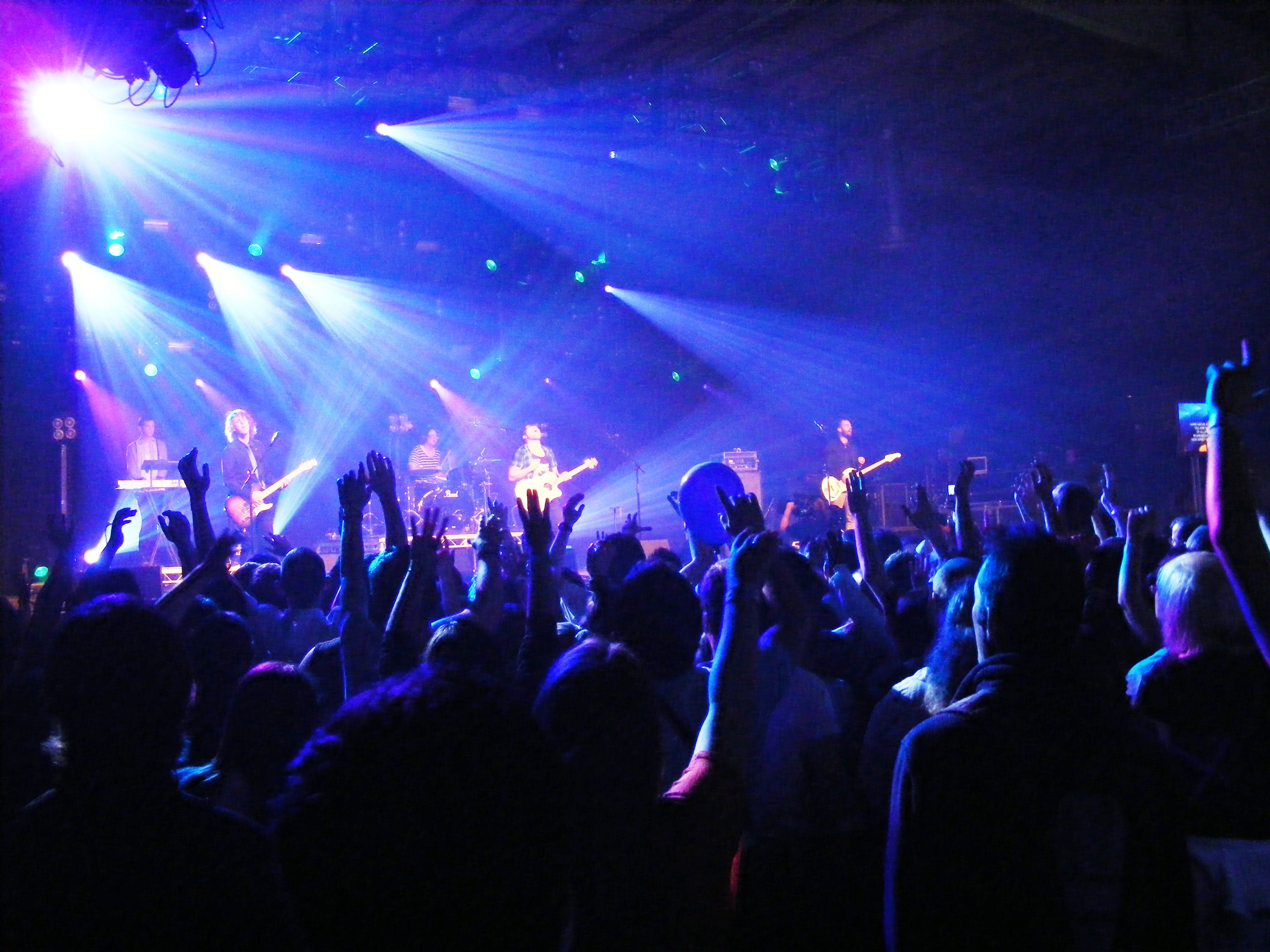
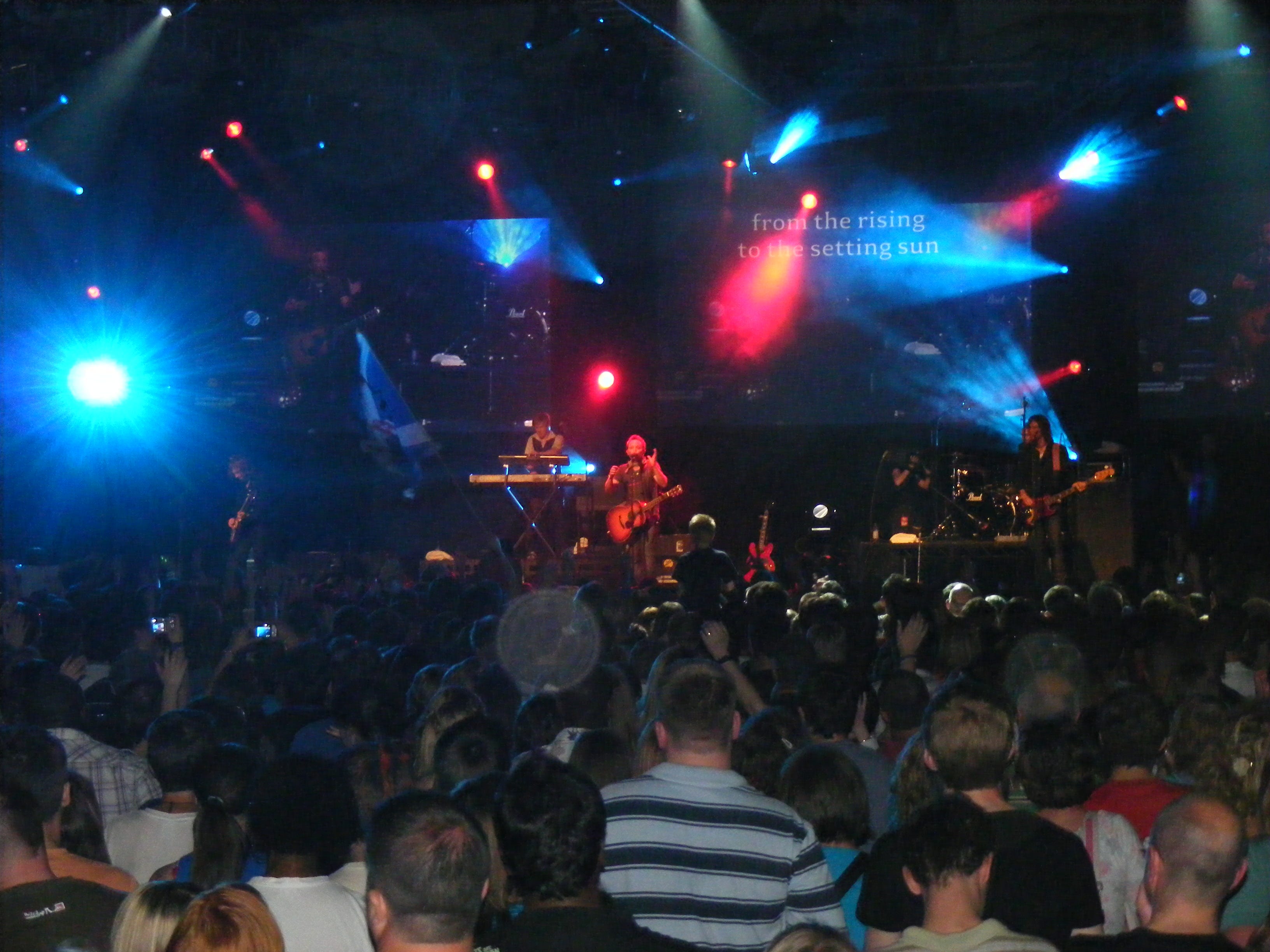
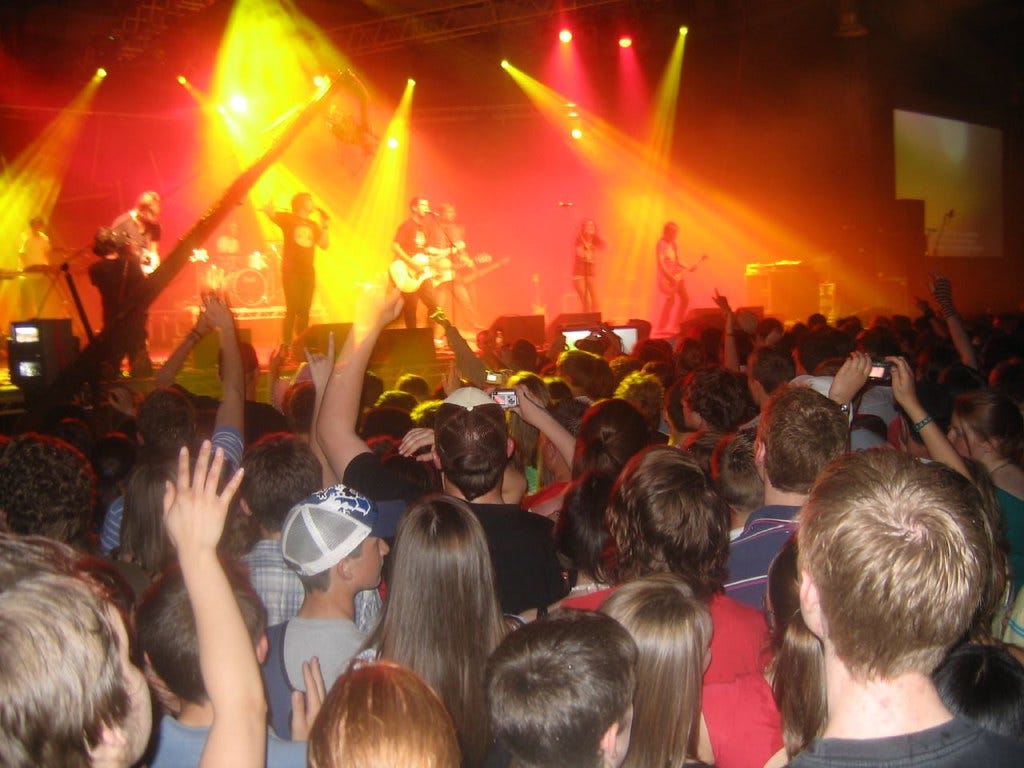
Looking back, what stays with me is not simply the size of the event. It is the thought that something once imagined became a place thousands of people could actually enter, experience and enjoy together.
VI · Seeing With Others
Seeing what might be is only part of the story.
On the island of La Gonâve in Haiti, missionaries Dan and Joy Irvine introduced my brother Justin to the hospital there. He saw the need and began to imagine what a new hospital might become. He went on to oversee the construction process through LemonAid.
But a vision like that could never belong to one person. Building well meant listening to the people who lived there, learning from those who knew things we did not, and working alongside people who brought different skills and experience.
What is here? What might become possible? Who would be served?
Before beds, equipment or supplies could arrive, there first had to be a hospital to receive them.
In 2011, the vision was still taking shape in the ground — foundations, trenches and the outlines of rooms that did not yet exist.
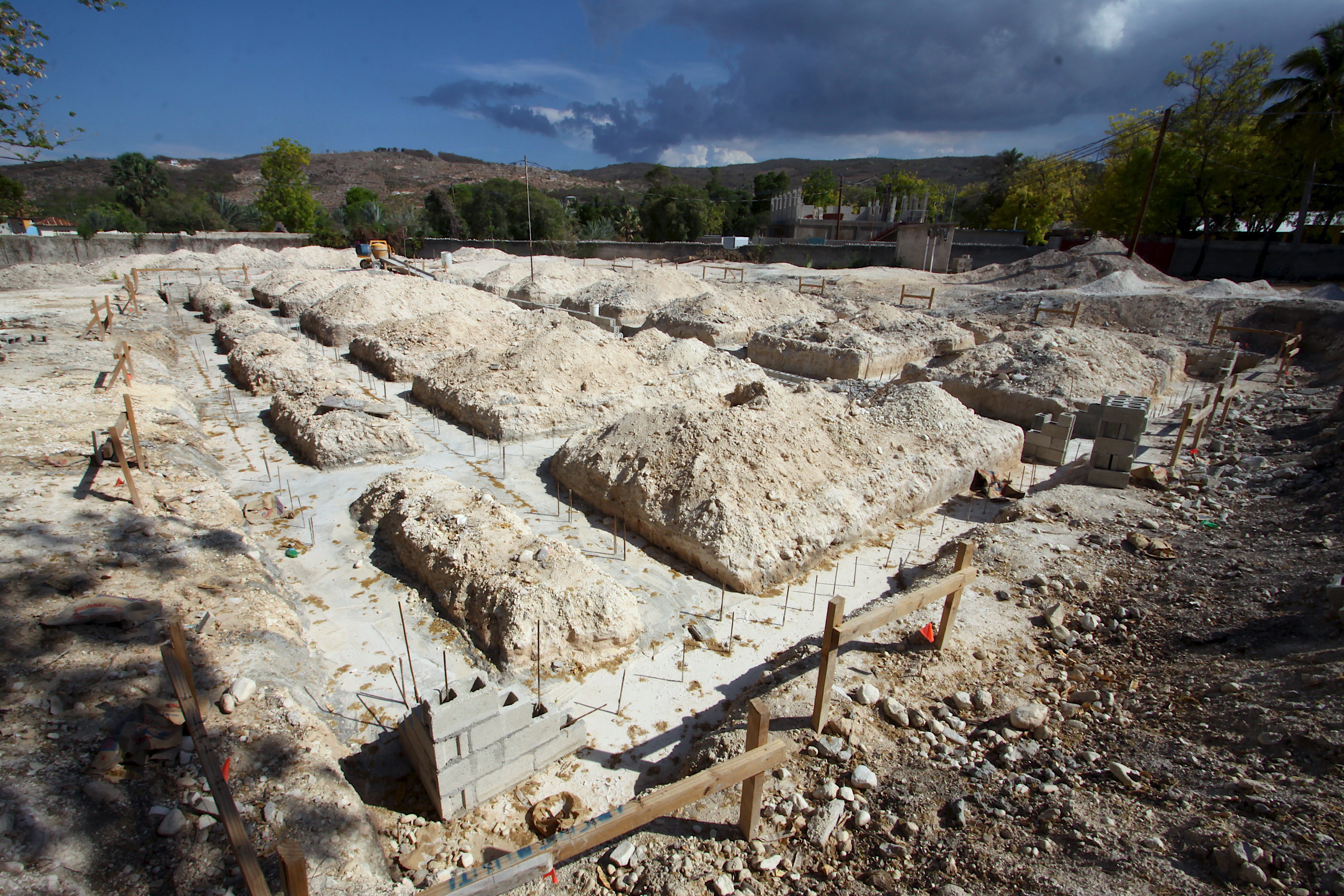
Justin, my older brother had first seen the need, but seeing was only the beginning. What followed was the slower work of conversations, decisions, problem-solving and staying with the project as it took shape.
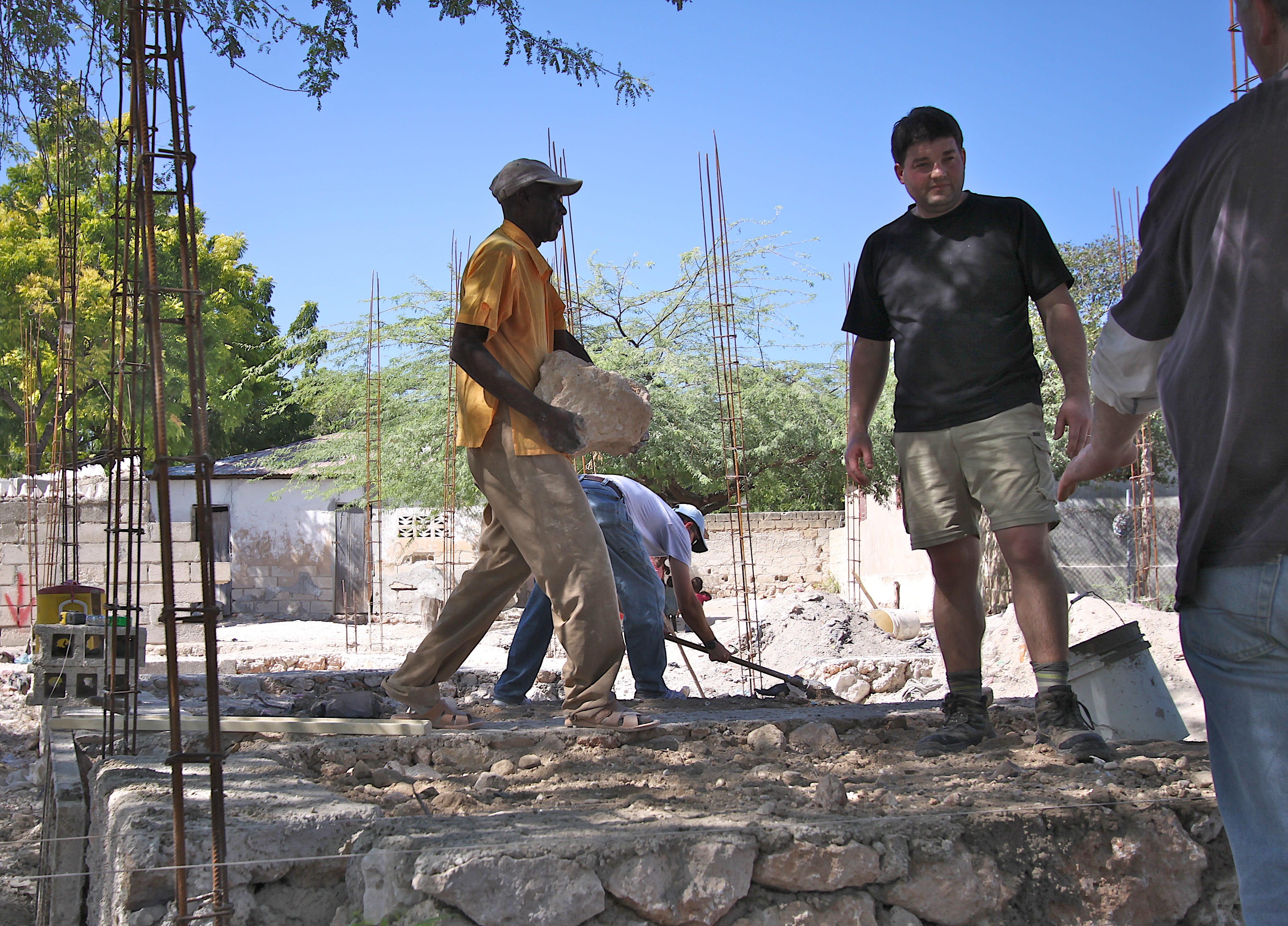
And the work drew in many others.
Haitian builders worked alongside people who travelled from Scotland, England, and the United States, each bringing something different to the task.
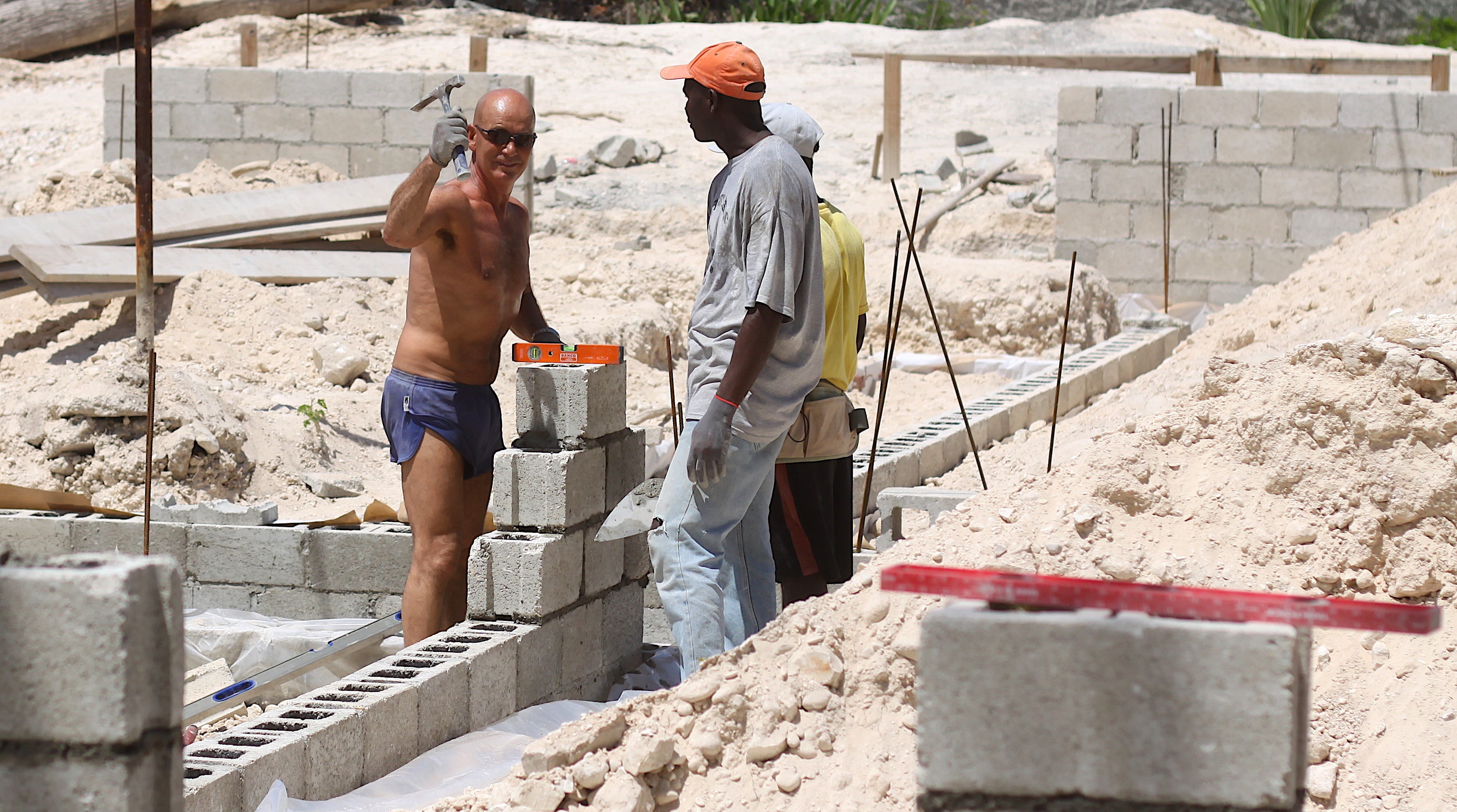
Slowly, trenches became walls, and walls became a place that could actually serve people.
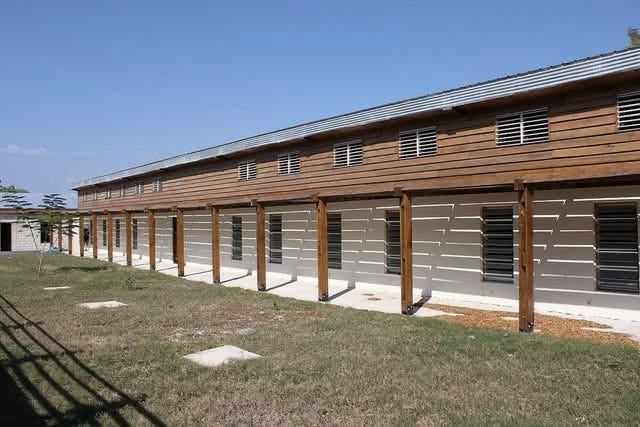
What had once existed as an idea was becoming a working hospital.
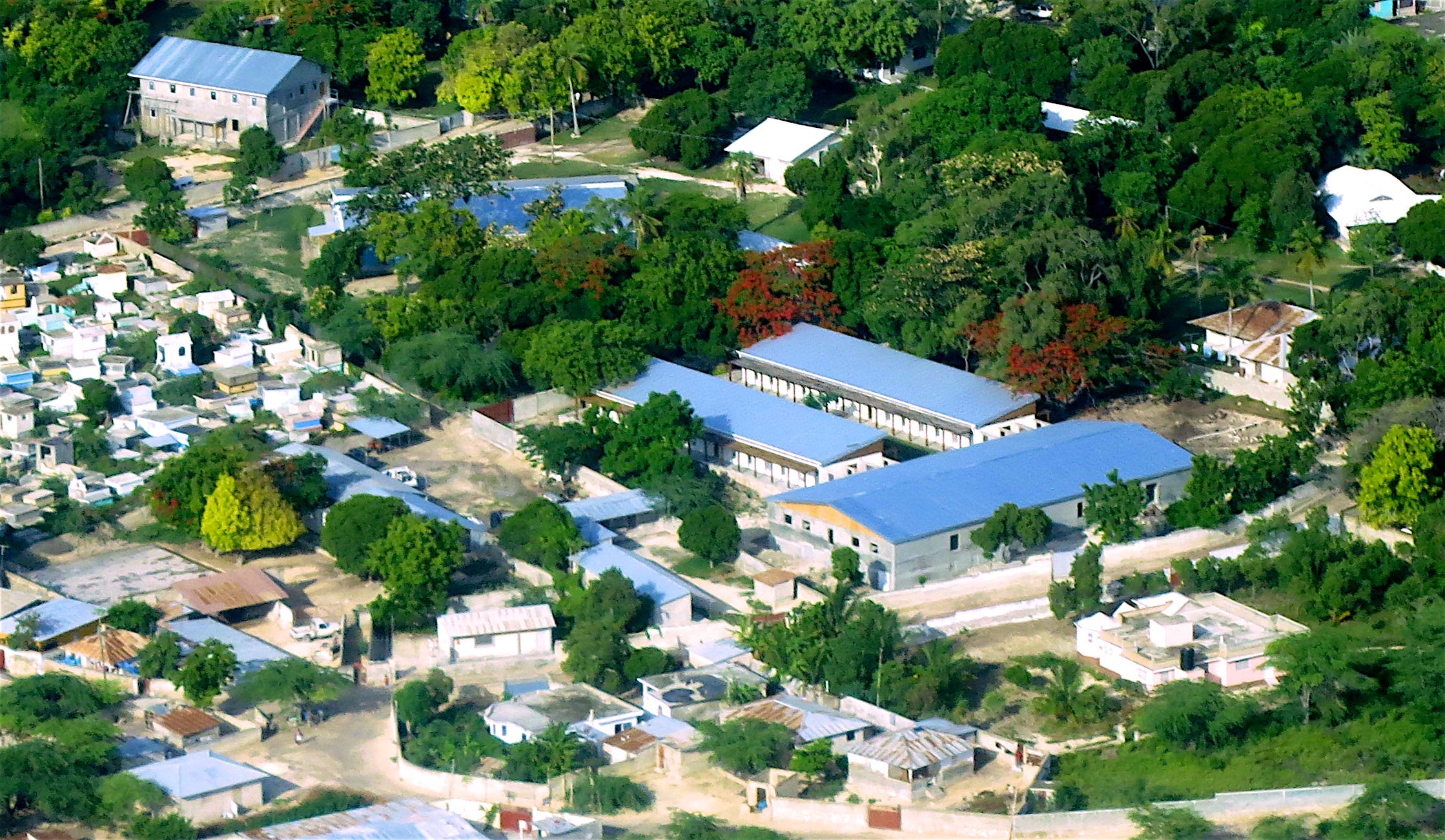
From above, the scale of what had been built became clearer — not a single building, but a hospital taking its place within the life of the island.
And then the scale became something much more ordinary and personal: a doorway, a reception desk, a place where someone could arrive and be welcomed.
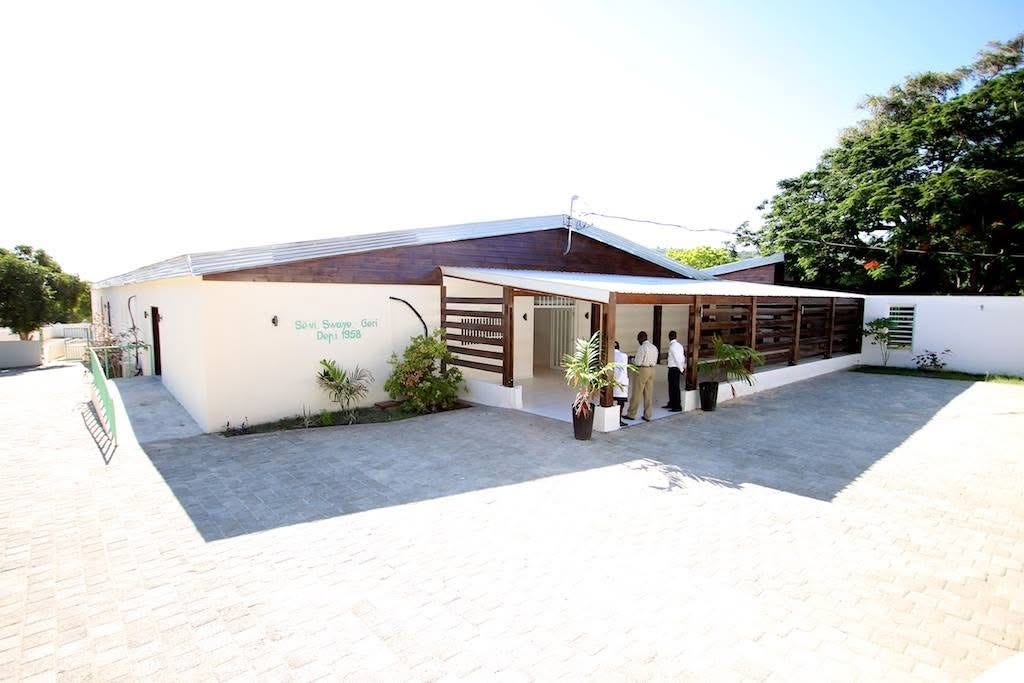
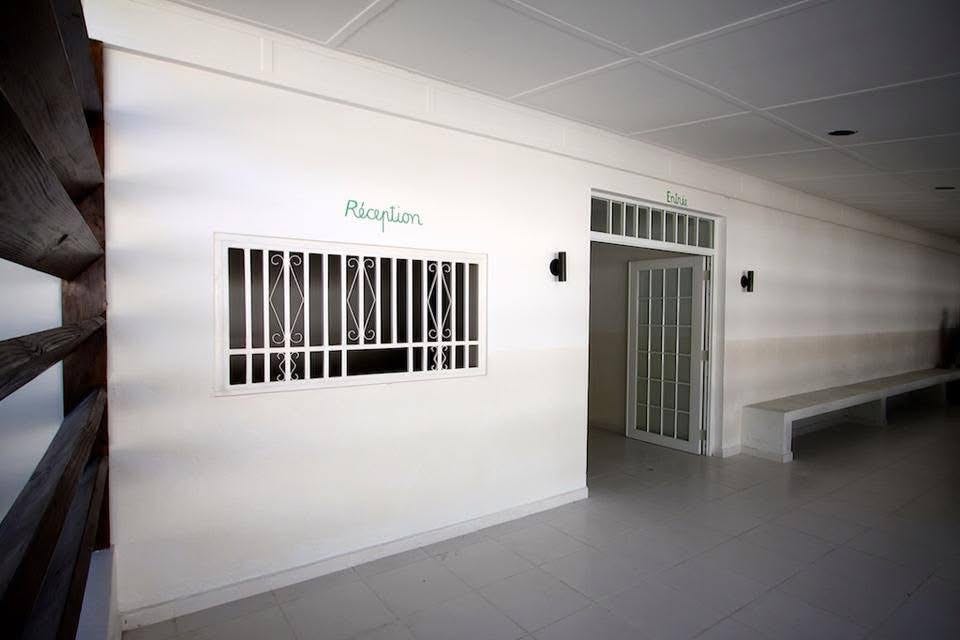
Completion was not the end of the story.
In September 2013, the new hospital was formally handed into local leadership — a significant moment because the vision was becoming something the community itself would carry forward.
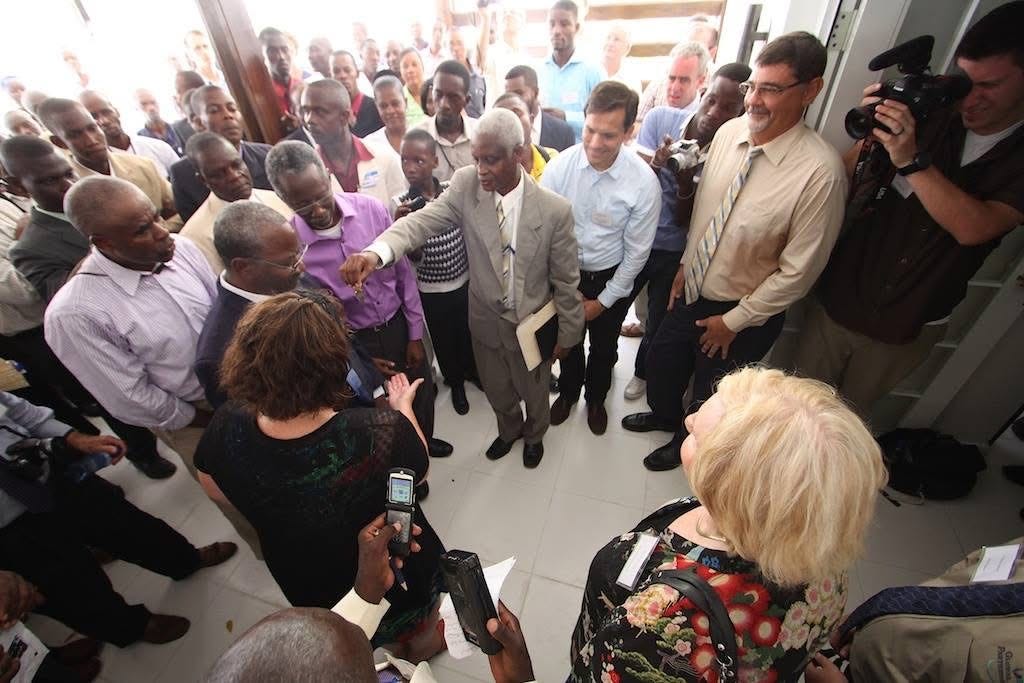
The handover did not mean that every part of the hospital was already in place.
In the months that followed, beds and other equipment still had to make their way to La Gonâve — first by container, and then across the water to the island.
Building a hospital on an island meant that even ordinary equipment had a journey to make.
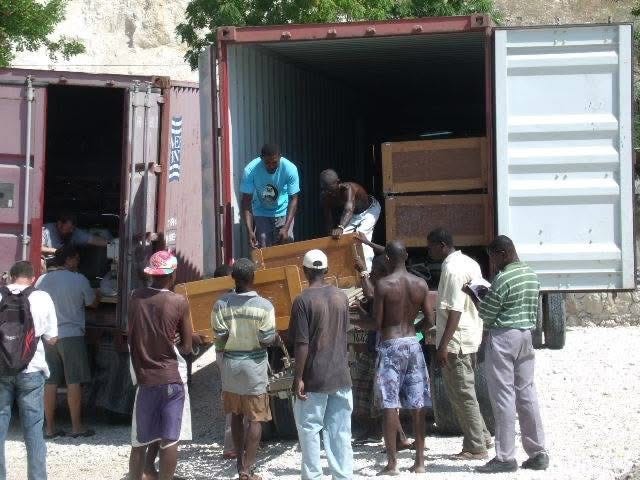
On La Gonâve, even the final part of the journey depended on the water.
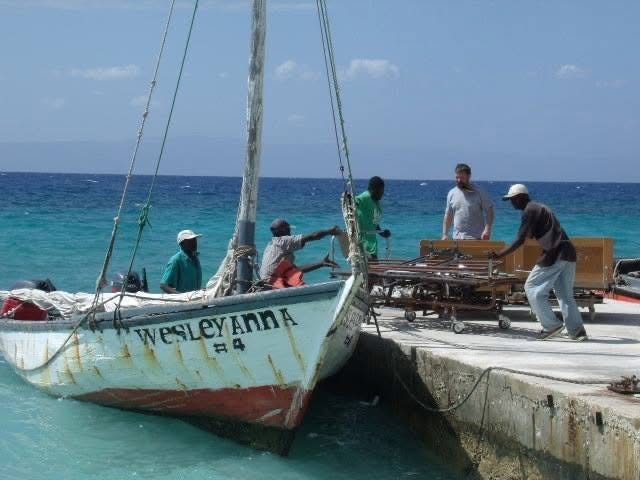
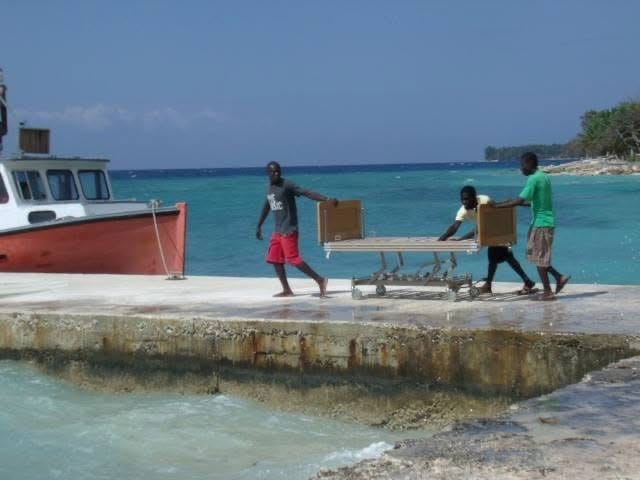
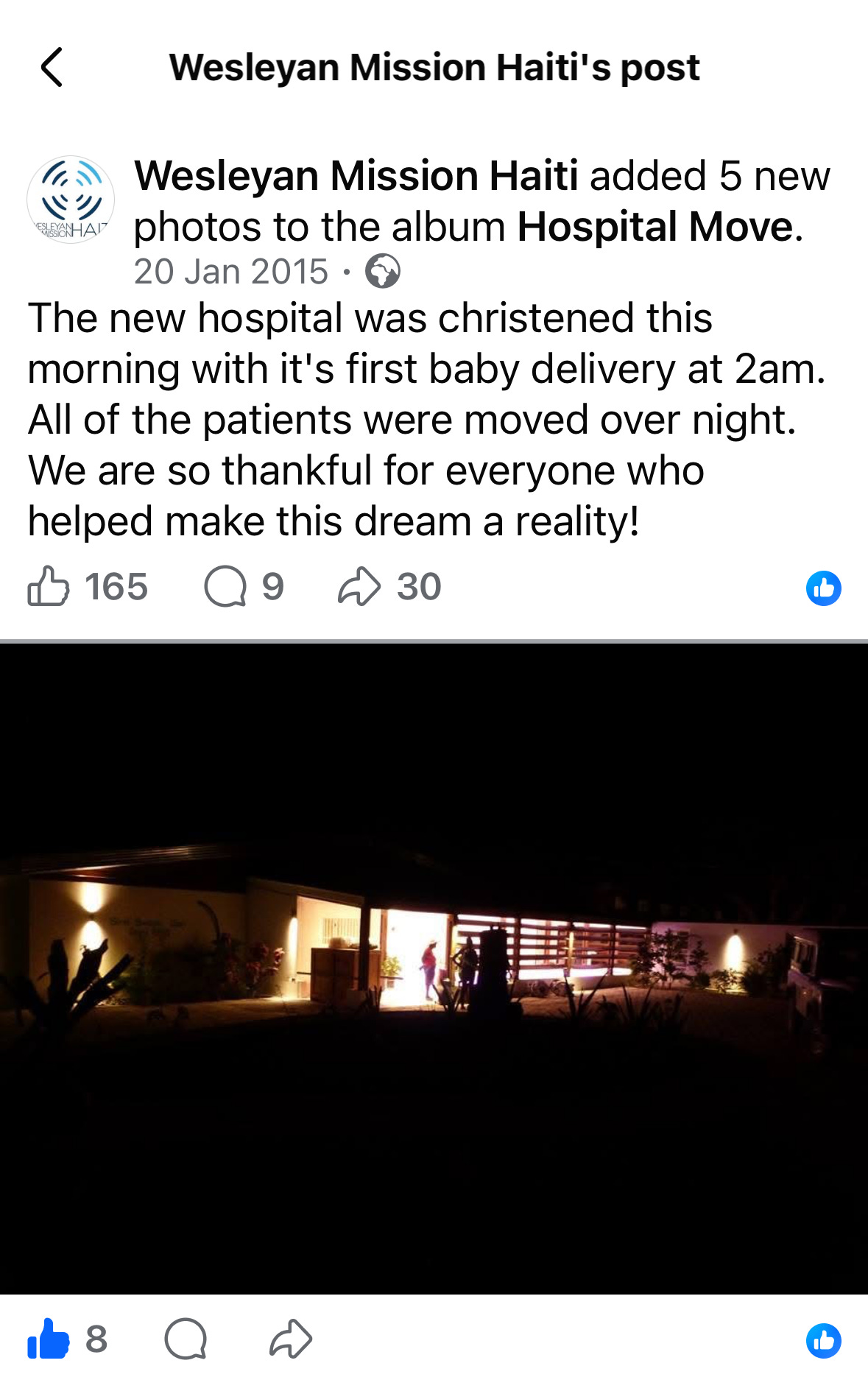
Eventually, the building, equipment and preparation became something more: a working hospital.
In January 2015, patients were moved into the new hospital, and the first baby was delivered there.
While the hospital project was underway, another story was already unfolding on La Gonâve.
Mme Soliette had been caring for children long before Okipe existed. She had a vision for something more — a place where children could grow up with the security of home, care, education and a future.
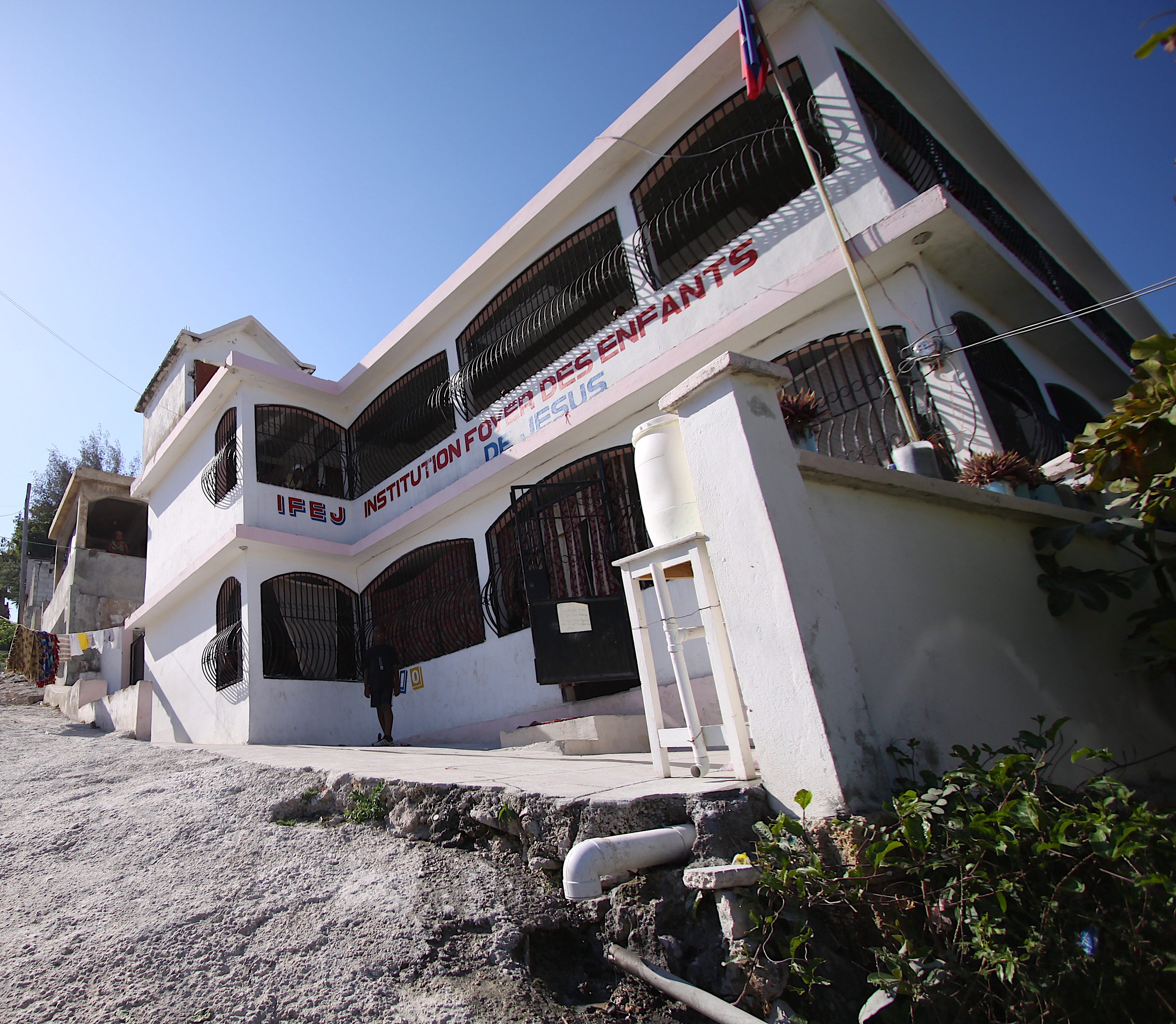
Before there were new buildings, the heart of the vision was already here — in the care being given to individual children.
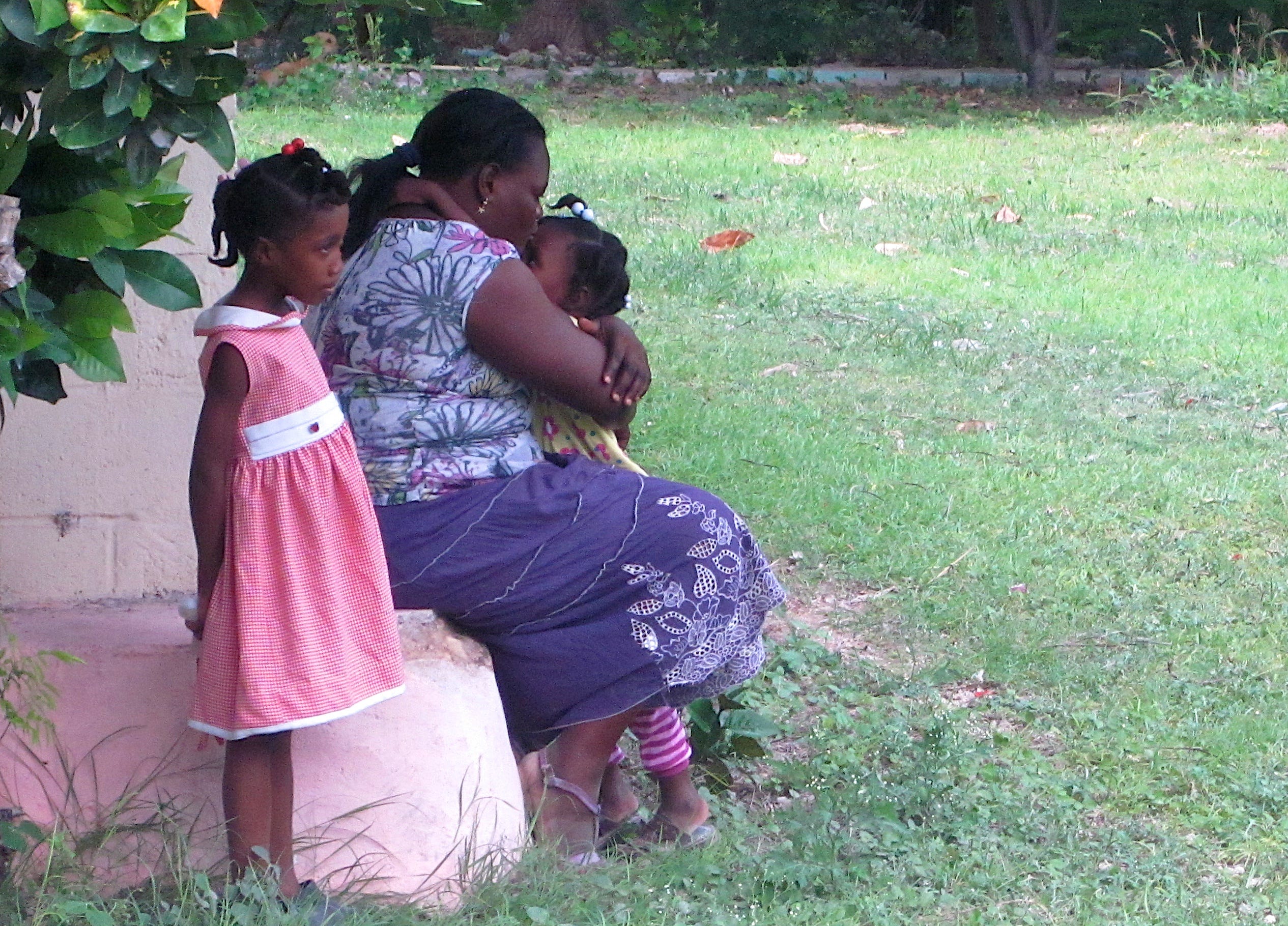
The vision did not move straight from an old home to a finished village.
There were years of planning, fundraising, building and partnership in between. What Mme Soliette had imagined was beginning to take physical shape around her.
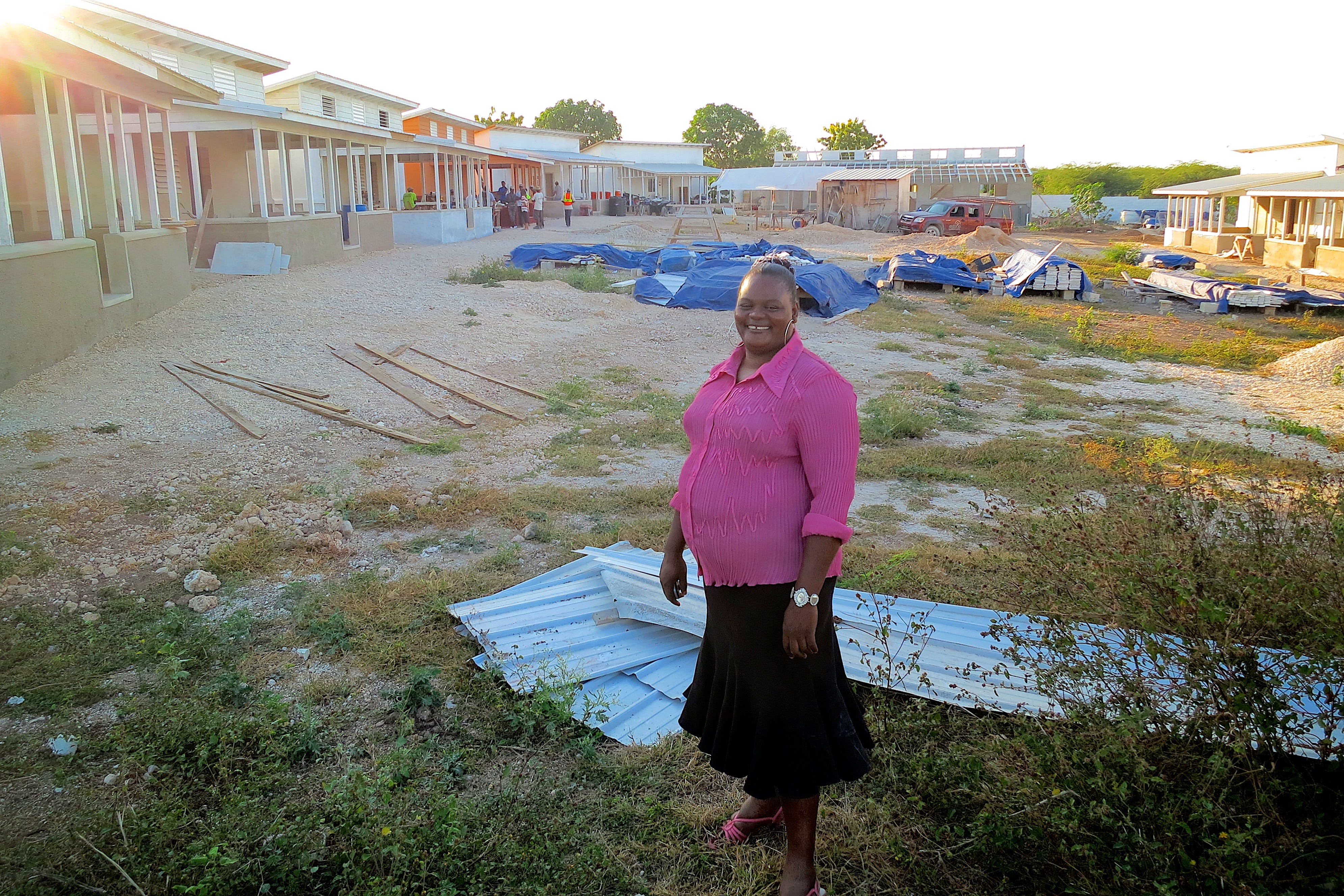
Over time, the building work became something much more than a construction project.
The vision took shape as a Children’s Village — family homes and shared spaces where children could live, learn, play and grow together.
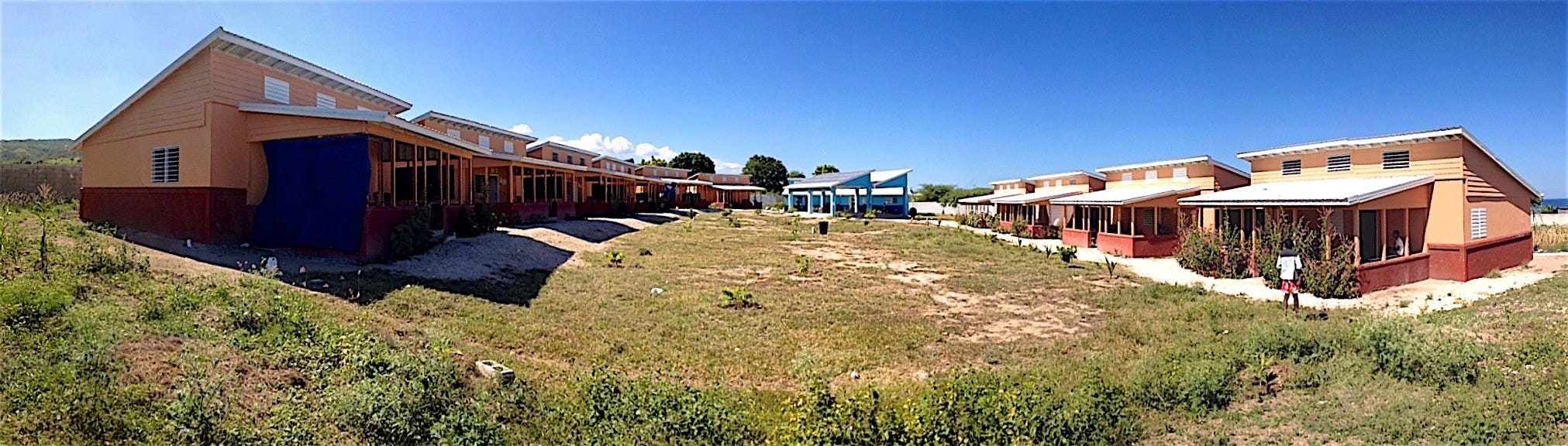
But the real life of the village was never the buildings. It was what happened within and around them each day.
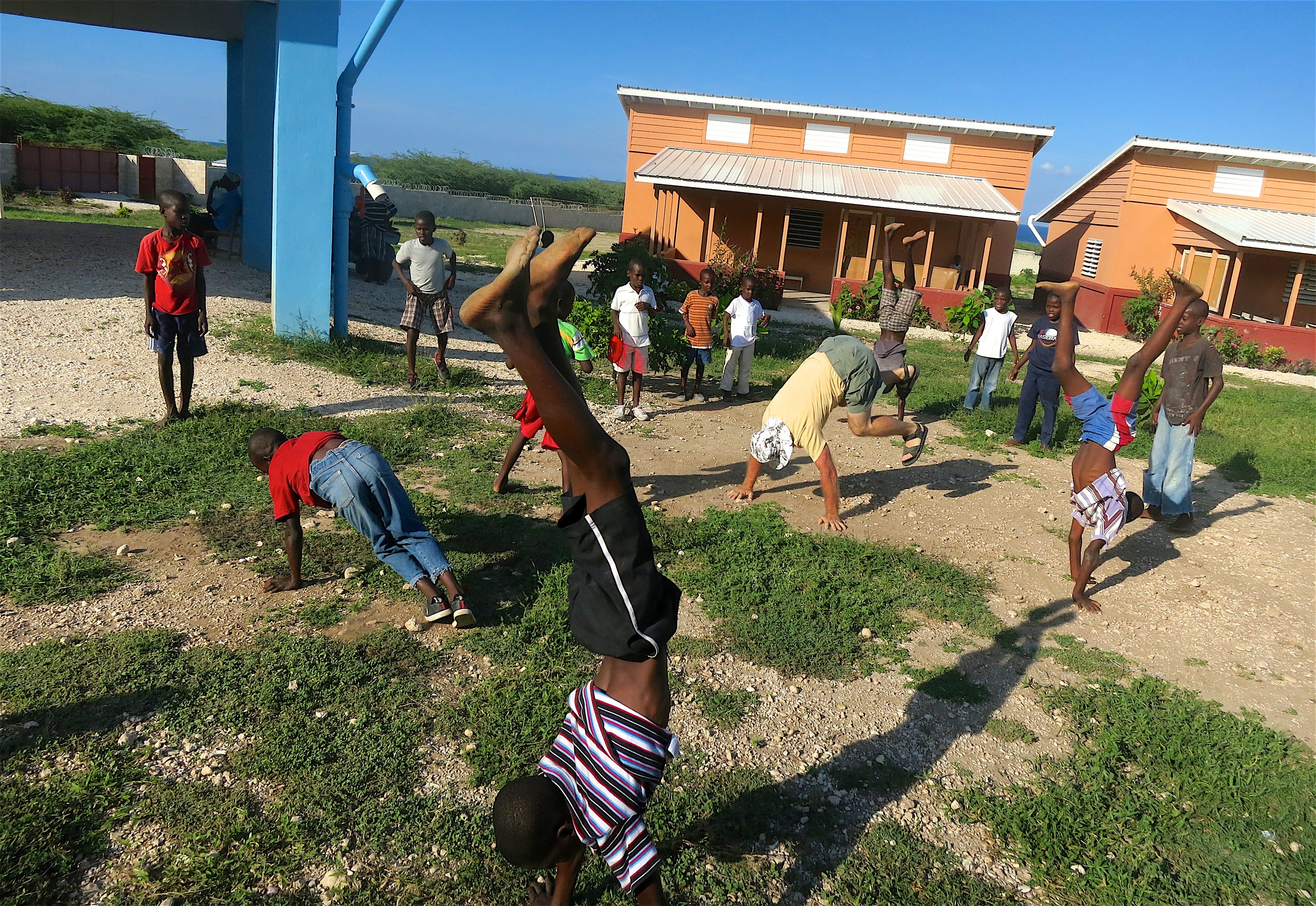
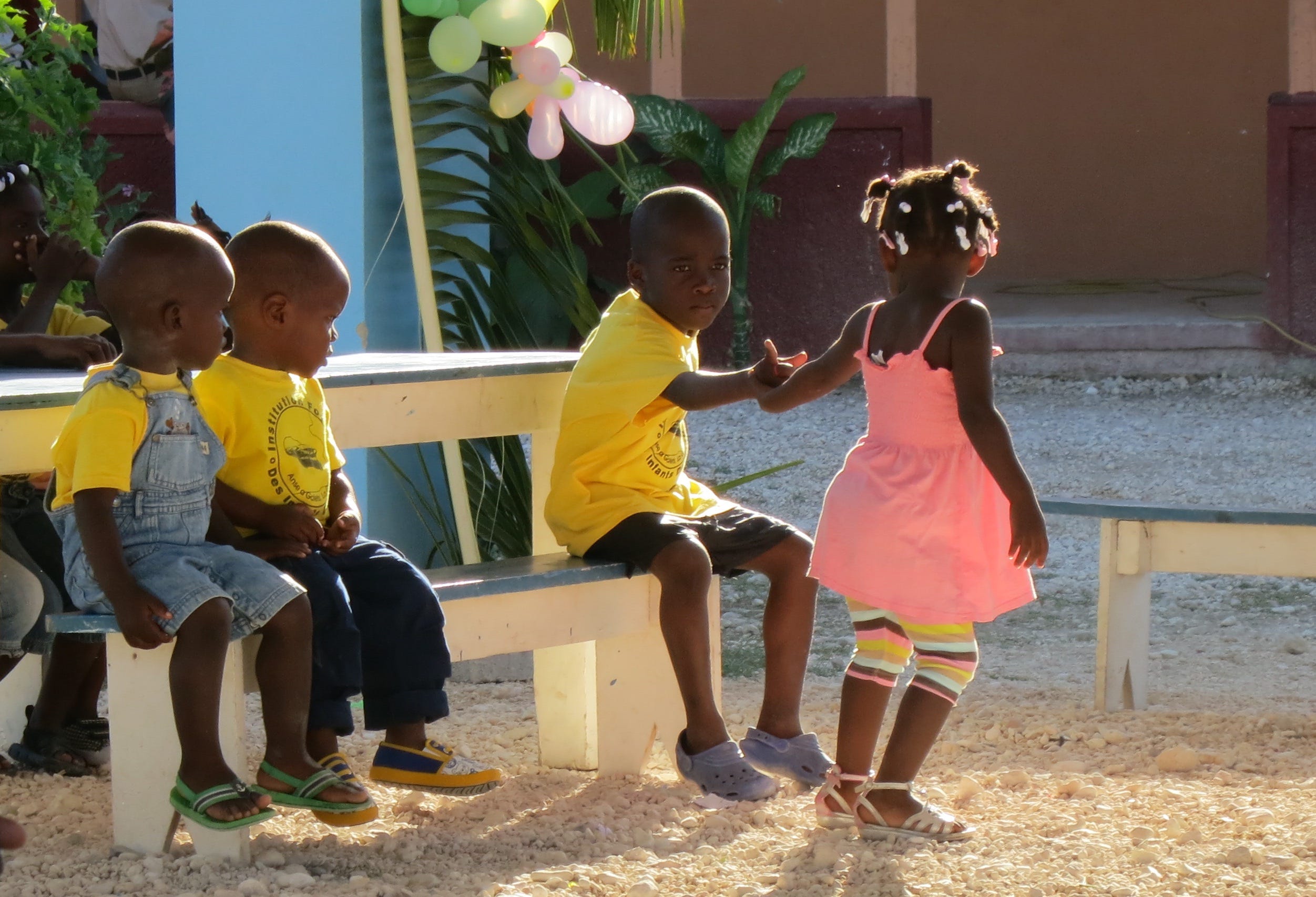
Looking back, neither the hospital nor The Jesus Home for Children was the work of one person.
Mme Soliette was already carrying a vision. Others came alongside her with different skills, resources and relationships. Out of those relationships, Okipe would grow — a wider family committed to supporting Mme Soliette and the children.
Seeing what might be matters. But seeing with others matters just as much.
Good work begins by drawing near, listening, recognising what other people already know and carry, and then offering our own contribution.
VII · What Is Already Here
After all those stories of vision, building and change, the journey returns somewhere much quieter.
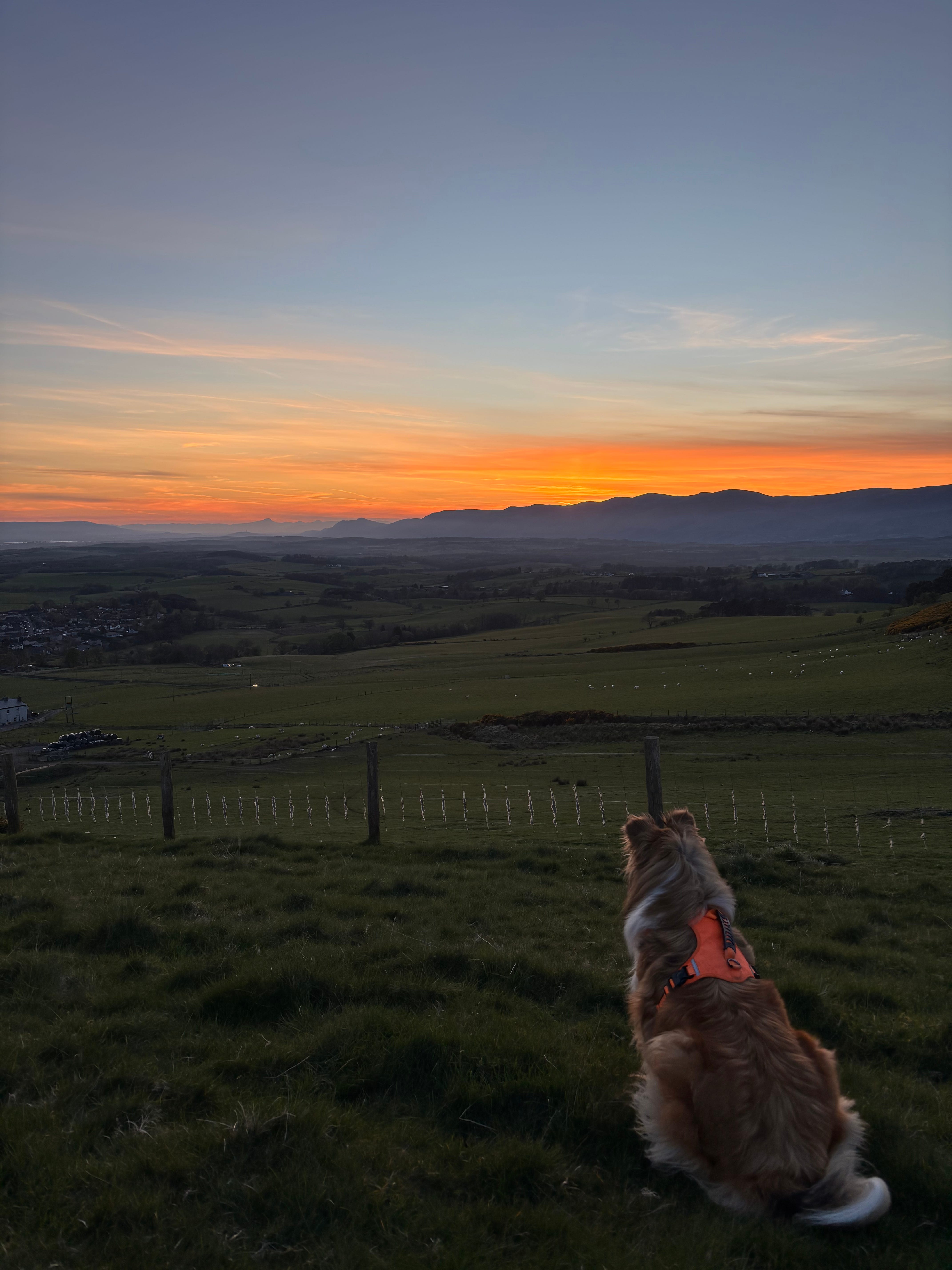
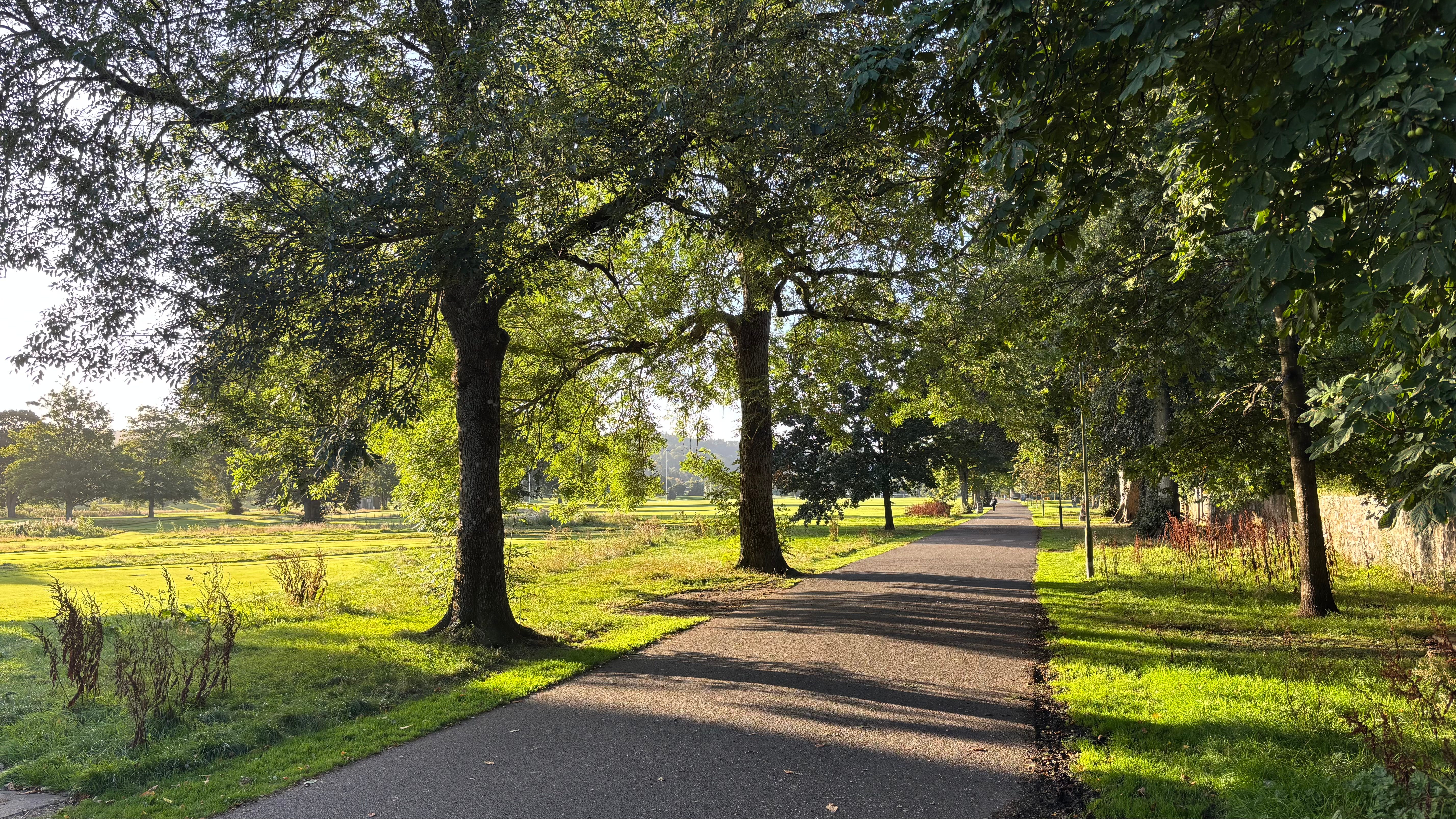
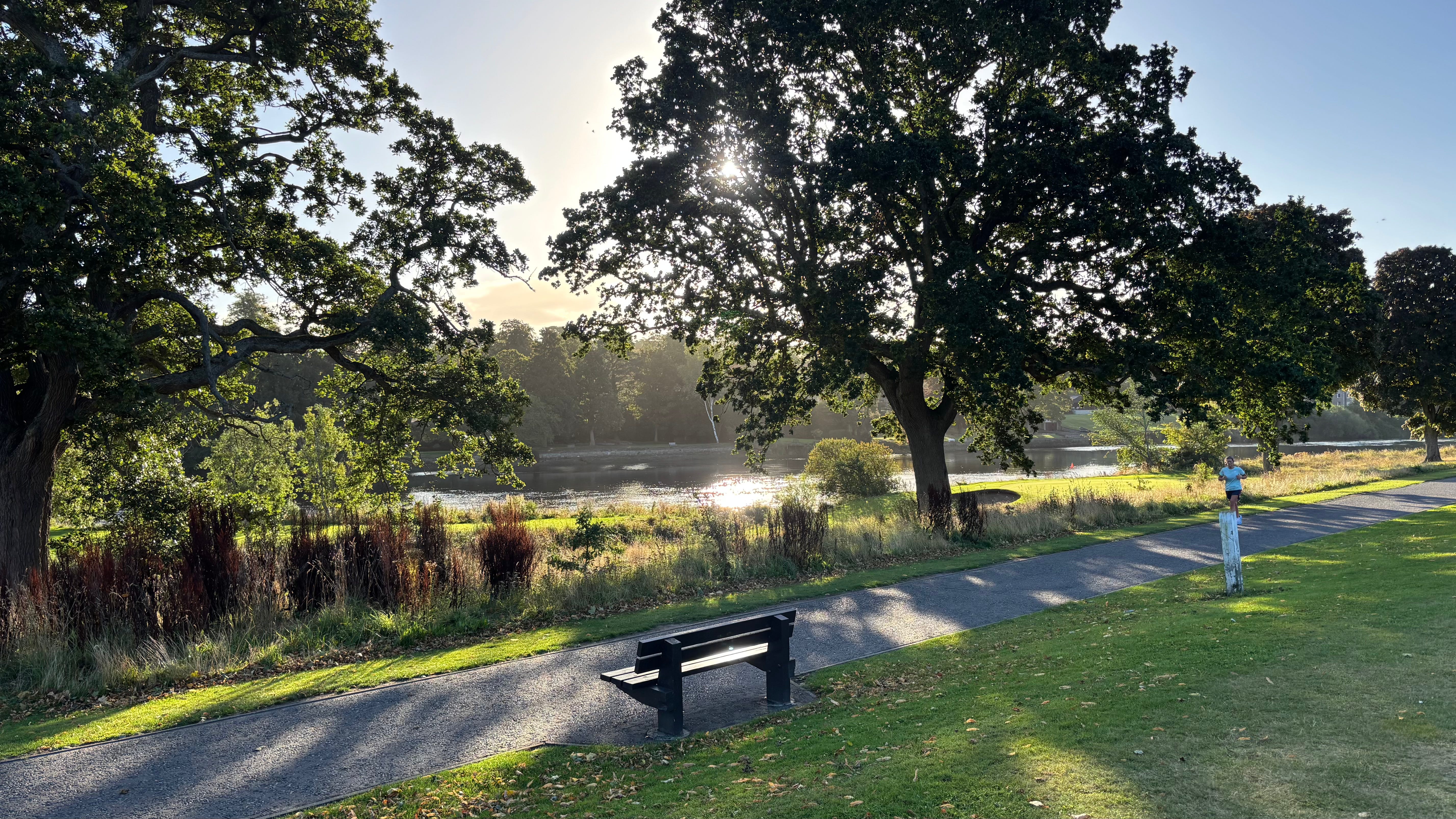
Back to the ordinary world. A path. A tree. Morning light. A dog waiting beside the road.
Nothing dramatic. Nothing that needs to become something else.
Just what is already here.
Sometimes seeing begins simply by being there early enough to notice the light change.
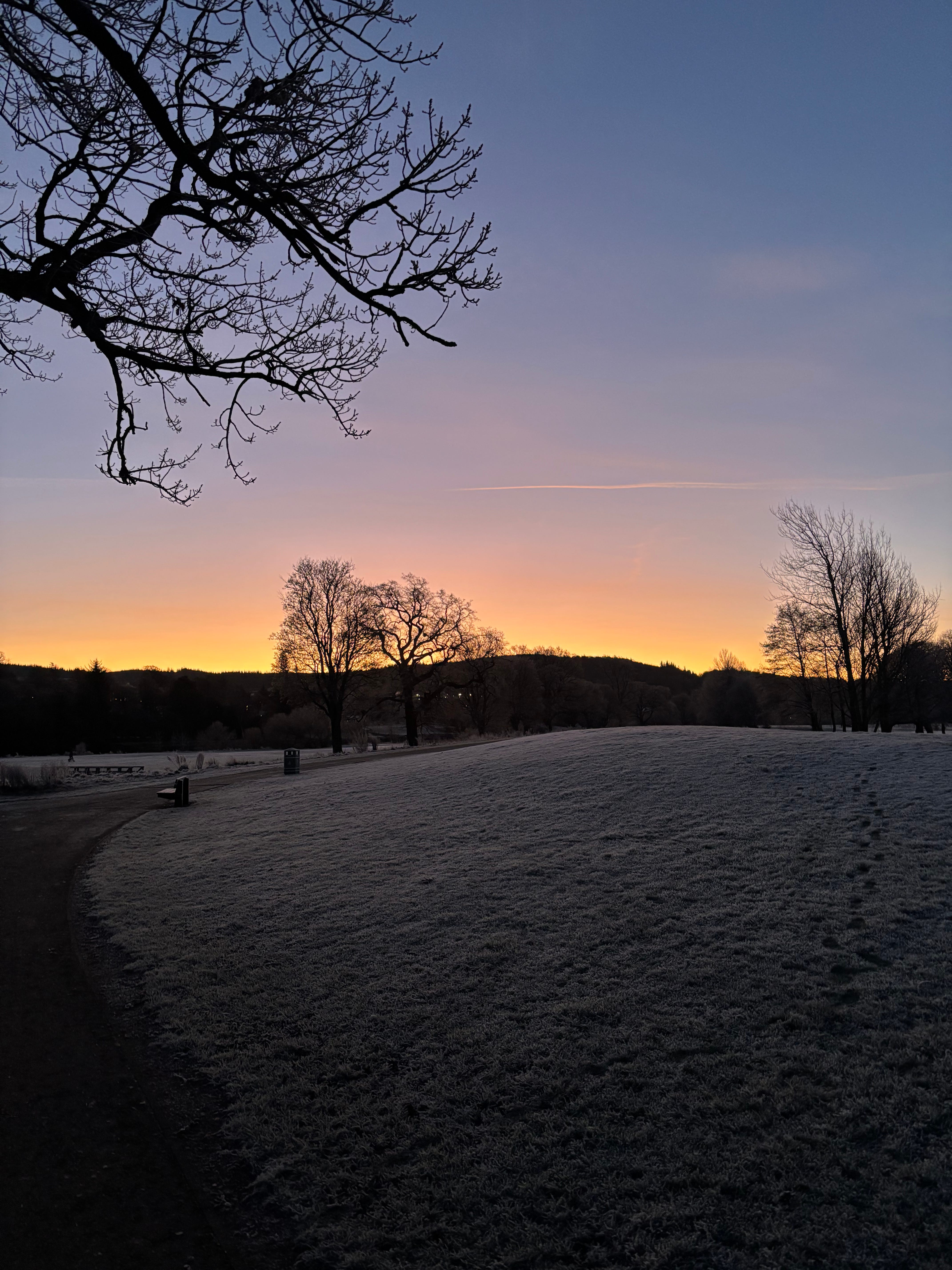
Sometimes the invitation is simply to stop for a moment longer.
Return to the Reading
I Could See — A Wonder Reading of Helen Keller’s Three Days to See
Continue the story
Okipe — The Jesus Home for Children, La Gonâve
Discover Mme Soliette’s story, everyday life at The Jesus Home and the continuing work of Okipe.
Visit Okipe
La Gonâve Wesleyan Hospital
Read Dan and Joy Irvine’s account of the new hospital, including the partnership between the Wesleyan Mission in Haiti, Lemon Aid and others.
A New Day for La Gonâve — Wesleyan Life, Winter 2014, p. 25
I really enjoyed this Aaron, thank you. I feel inspired.... to slow down....pause.... and.... appreciate both the people around me and my surroundings....